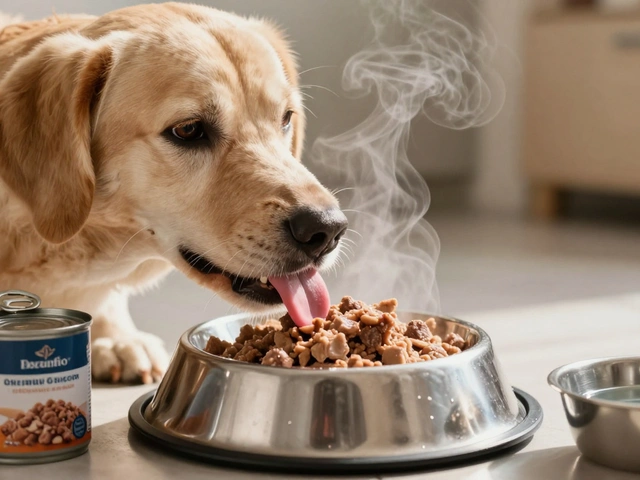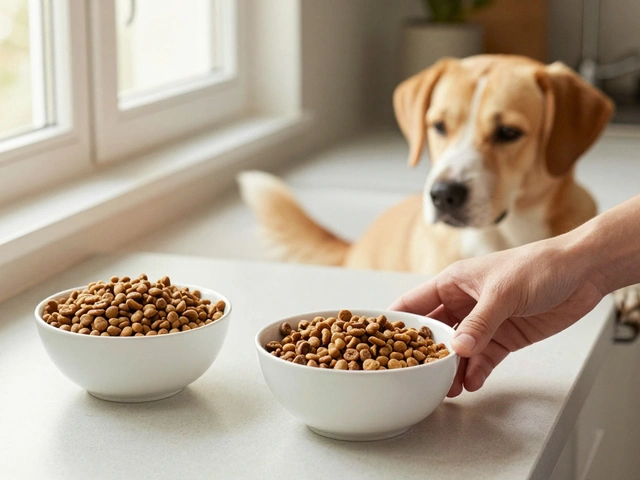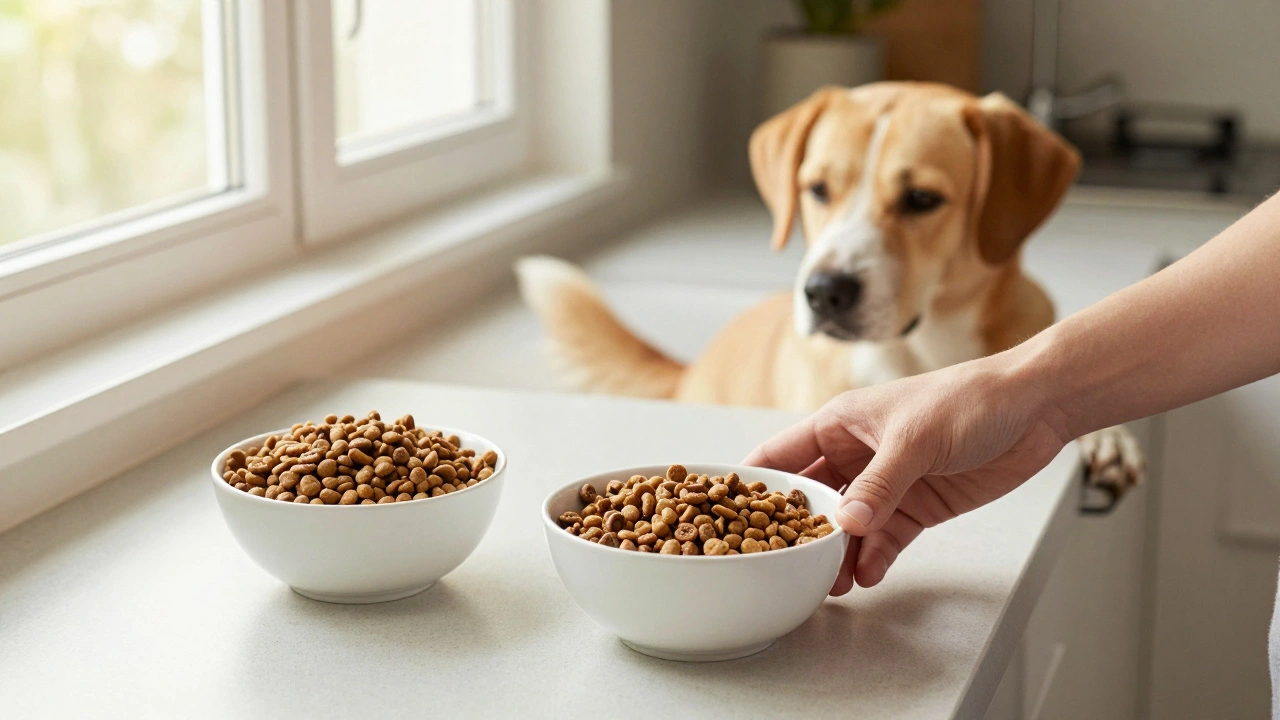
Switching your dog’s food can be a necessary step-maybe your vet recommended a therapeutic diet, your old brand was discontinued, or you found a better option. But if you just dump the old food and replace it with the new, you’re asking for trouble. Diarrhea, vomiting, loss of appetite, and even stomach pain are common when the change is too fast. The good news? With the right approach, you can avoid all of it. Most dogs transition smoothly if you take it slow and pay attention to their body’s signals.
Why sudden food changes upset your dog’s stomach
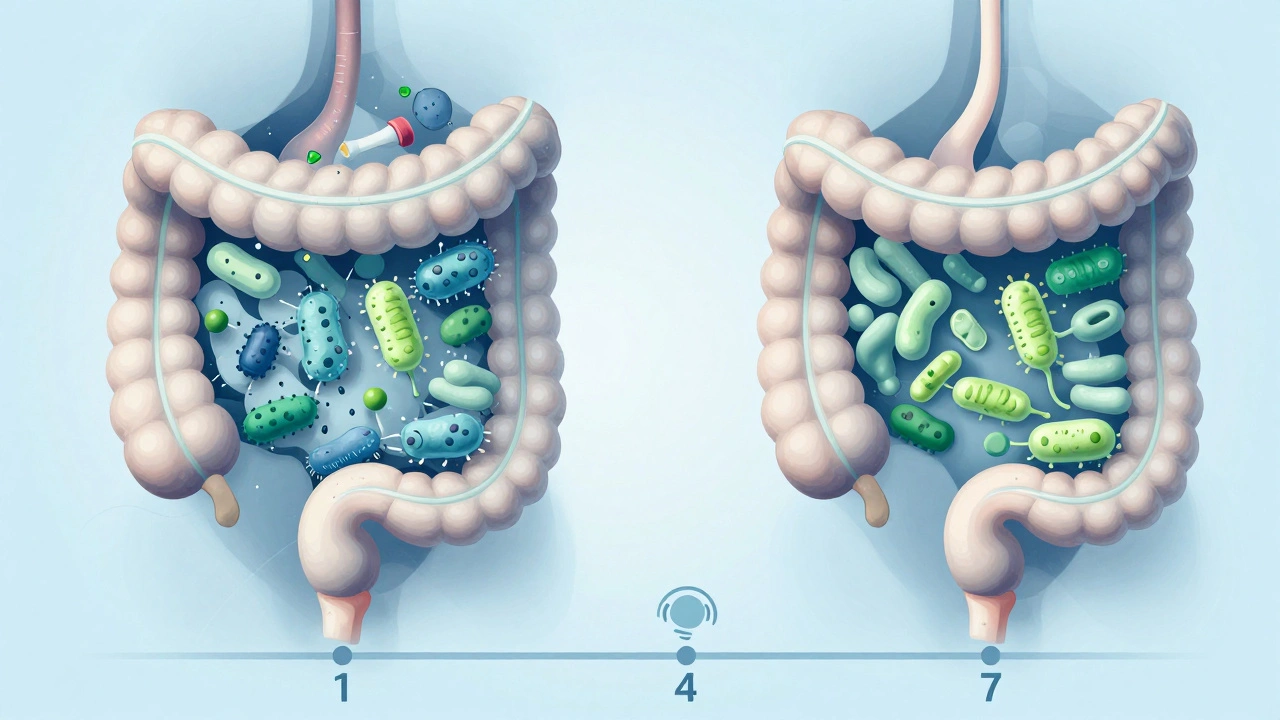
Dogs don’t have the same digestive flexibility as humans. Their gut microbiome-the community of bacteria living in their intestines-is finely tuned to break down the specific ingredients in their current food. When you switch abruptly, those bacteria get thrown off balance. The new food might have different protein sources, fat levels, or fiber content. Without time to adapt, the gut can’t produce the right enzymes or adjust its pH. That’s when loose stools, gas, or nausea show up.Studies show that 60% of dogs fed a sudden food change develop mild to moderate digestive upset within 48 hours. But when owners follow a gradual transition, that number drops to under 10%. It’s not about the quality of the food-it’s about how you introduce it.
Step-by-step: The 7-day transition method
The most reliable way to switch dog food is over seven days. This gives your dog’s gut time to adjust without stress. Here’s exactly how to do it:- Day 1-2: Mix 25% new food with 75% old food.
- Day 3-4: Increase to 50% new food and 50% old food.
- Day 5-6: Use 75% new food and 25% old food.
- Day 7: Feed 100% new food.
Stick to this schedule even if your dog seems fine after just a few days. Rushing this process is the #1 mistake people make. Some breeds, like German Shepherds or Boxers, are especially sensitive to dietary shifts. Don’t assume your dog is fine just because they’re eating.
What to watch for during the transition
Your dog can’t tell you they feel off, so you need to be the detective. Keep an eye on these signs:- Loose or watery stools: Mild softening is normal on Day 3-4. If stools are watery or contain mucus, pause the transition and stay at the current mix for another 2-3 days.
- Loss of appetite: If your dog skips a meal or eats half their usual portion, slow down. Try reducing the new food amount by 10% and hold at that ratio for a few extra days.
- Vomiting or nausea: Occasional gagging or one-time vomiting might be a reaction to texture change. If it happens twice in 24 hours, stop the transition and go back to the old food. Consult your vet before trying again.
- Excessive gas or bloating: Some gas is normal, especially if the new food has more fiber. But if your dog seems uncomfortable, distended, or is pacing, they’re not adapting well.
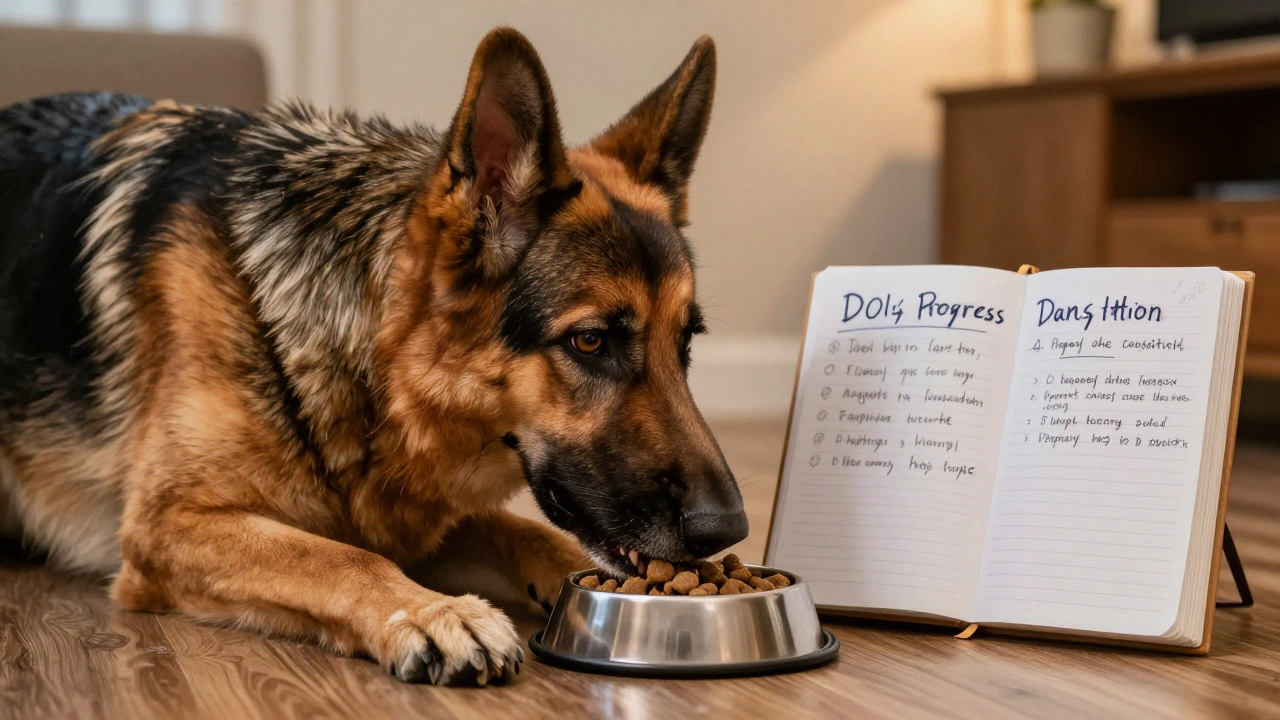
Keep a simple log: write down what you fed each day and note any symptoms. This helps you spot patterns and gives your vet useful info if things go sideways.
Special cases: When to go slower or faster
Not all dogs follow the same rules. Here are exceptions:- Puppies under 6 months: Their digestive systems are still developing. Transition over 10-14 days. Use a puppy-specific formula and avoid high-fat adult foods.
- Senior dogs (8+ years): Older dogs often have slower digestion. Extend the transition to 10 days. Choose foods with easily digestible proteins like chicken or fish.
- Dogs with sensitive stomachs: Breeds like Shar-Peis, Irish Setters, and Bulldogs often need 14 days. Start with a 10% mix and increase by 5% every 3 days.
- Medical conditions: If your dog has IBD, pancreatitis, or food allergies, follow your vet’s exact instructions. They may recommend a specific transition timeline or a limited-ingredient diet first.
Choosing the right new food
It’s not enough to just pick a new bag. The type of food matters. Look for these qualities:- Similar protein source: If your dog ate chicken before, don’t switch to lamb or beef right away. Stick to the same animal protein to reduce shock.
- Comparable fat content: Check the guaranteed analysis on the bag. A jump from 12% to 20% fat can trigger pancreatitis. Aim for no more than a 3-4% difference.
- No artificial additives: Avoid foods with BHA, BHT, or artificial colors. These can irritate sensitive guts.
- Prebiotics or probiotics: Foods with added fiber like pumpkin, chicory root, or live cultures help the gut adapt faster.
Don’t be fooled by marketing claims like “natural” or “grain-free.” A food labeled “grain-free” might still be high in peas or potatoes-which can cause gas in some dogs. Compare ingredient lists, not labels.
What to do if things go wrong
If your dog develops diarrhea or stops eating after 2-3 days of transition:- Go back to the previous ratio that worked. If they were fine at 50/50, stay there for another 2-3 days.
- Offer small, bland meals: boiled chicken (no skin) and white rice. This settles the stomach without adding stress.
- Keep them hydrated. Diarrhea can lead to dehydration fast.
- If symptoms last more than 48 hours, call your vet. Don’t wait for it to get worse.
Never force-feed. If your dog refuses food for more than 24 hours, it’s a red flag. Underlying issues like infections, pancreatitis, or intestinal blockages can mimic food intolerance.
After the transition: What to expect
Once your dog is fully on the new food, give them another week to fully stabilize. You might notice:- Smaller, firmer stools (a sign of better digestion)
- Less gas or bloating
- Shinier coat (if the new food has better fatty acids)
- More consistent energy levels
These are signs the transition worked. If you see no change-or worse symptoms-you may need to try a different formula. Not every food works for every dog. It’s trial and error, but you’ve already done the hardest part: transitioning safely.
Common mistakes to avoid
Here’s what not to do:- Don’t mix old and new food in the same bowl. This can confuse your dog’s appetite and lead to inconsistent intake.
- Don’t switch during stressful times. Moving houses, a new pet, or loud events like fireworks can worsen digestive upset. Wait until things calm down.
- Don’t use treats from the old food. If you give treats from the old brand during transition, you’re undermining the process. Switch treats too, or use plain boiled chicken.
- Don’t assume all brands are equal. A food labeled “premium” isn’t automatically better. Look at ingredient quality, not price tags.
Final tip: Keep a transition journal
Write down:- Brand names and formulas
- Transition dates and ratios
- Stool consistency each day
- Appetite and behavior changes
This isn’t just helpful for this transition-it’s a record you can use next time. Dog food changes aren’t rare. Most dogs go through 3-5 major diet shifts in their lifetime. Having a system makes it easier every time.
Can I switch my dog’s food overnight?
No. Switching overnight almost always causes digestive upset. Even healthy dogs need at least 7 days to adjust. Some dogs, especially seniors or breeds with sensitive stomachs, need 10-14 days. Rushing the process risks vomiting, diarrhea, and loss of appetite.
What if my dog won’t eat the new food?
If your dog refuses the new food after day 3, go back to the previous ratio. Try warming the food slightly or adding a spoonful of low-sodium chicken broth to make it smell more appealing. Don’t add human food like cheese or eggs-it can disrupt the transition. If they still refuse after 24 hours, consult your vet.
Is wet food easier to transition than dry?
Wet food can be easier because it’s more palatable and has higher moisture, which helps digestion. But the transition timeline is the same: 7-14 days. If switching from dry to wet, mix them gradually. Don’t just replace dry food with wet-your dog’s gut still needs time to adapt to new ingredients and fiber sources.
Can I use probiotics to speed up the transition?
Yes, but only under guidance. A vet-approved probiotic supplement can help balance gut bacteria during the change. However, don’t rely on them to fix a rushed transition. Probiotics support the process-they don’t replace gradual mixing. Choose a product with live cultures like Lactobacillus or Bifidobacterium, and avoid human probiotics.
How long should I wait before switching again?
Wait at least 3-4 months after a successful transition before changing again. Frequent changes stress the gut microbiome and can lead to chronic digestive issues. Only switch if there’s a medical reason, a product recall, or a clear benefit like improved stool quality or energy levels.