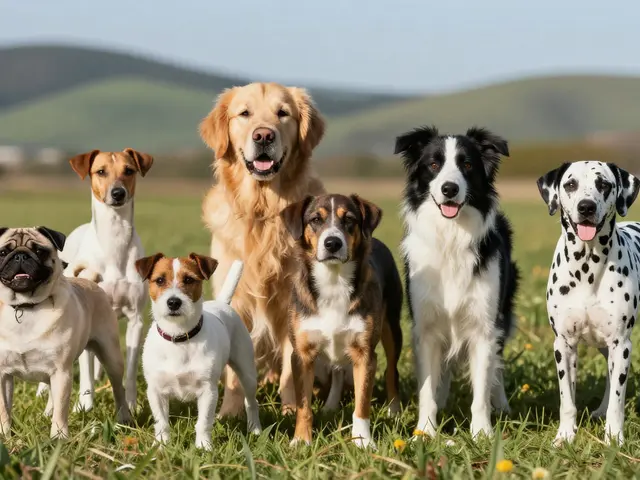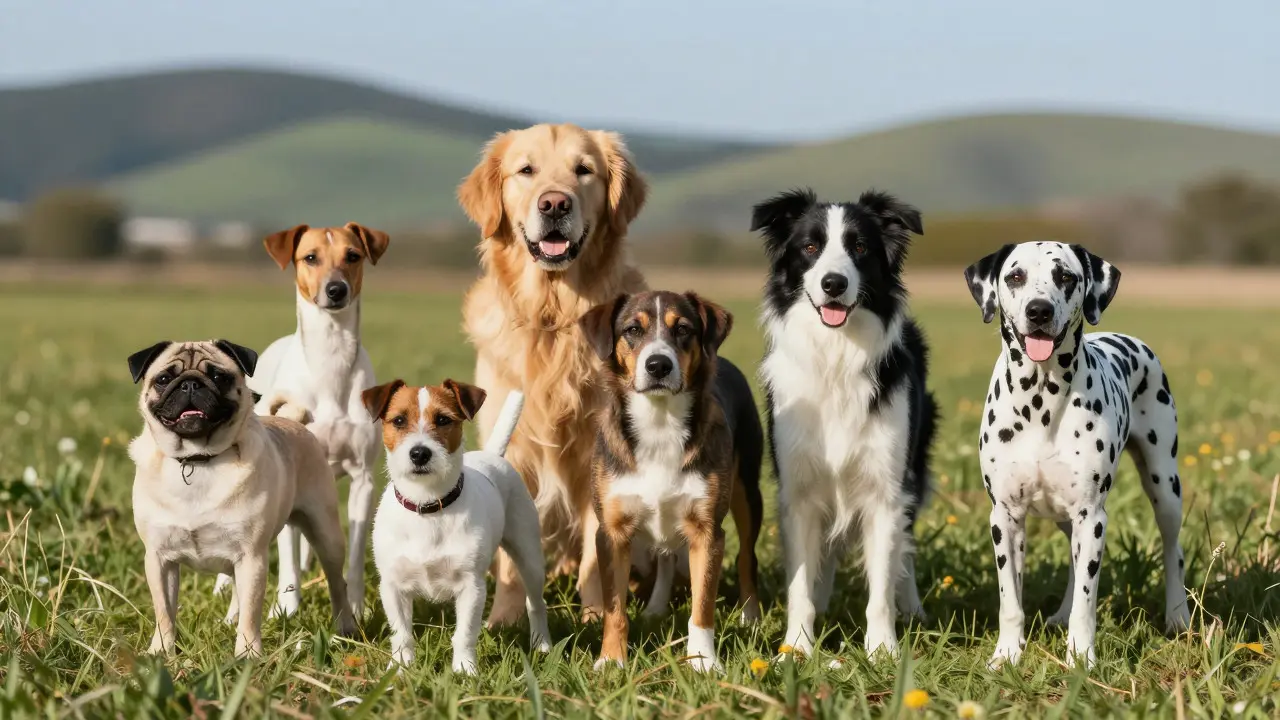
Ever wondered why a Golden Retriever is grouped with hunting dogs, while a Pug sits in the companion category? It’s not random. Every recognized dog breed belongs to one of seven specific groups defined by major kennel clubs like the American Kennel Club (AKC). These classifications aren’t just labels; they reflect the original job each breed was bred to do centuries ago. Understanding these groups helps you predict a dog’s energy level, training needs, and even potential health issues before you bring them home.
The system might seem bureaucratic, but it’s actually a practical tool for matching dogs with owners. A herding dog thinks differently from a terrier. One wants to move animals; the other wants to dig them out of holes. Knowing the group tells you what kind of mental stimulation your new pet requires.
The Seven Official Breed Groups
The AKC recognizes seven distinct groups. Each has unique characteristics regarding size, coat, temperament, and historical function. Here is how they break down:
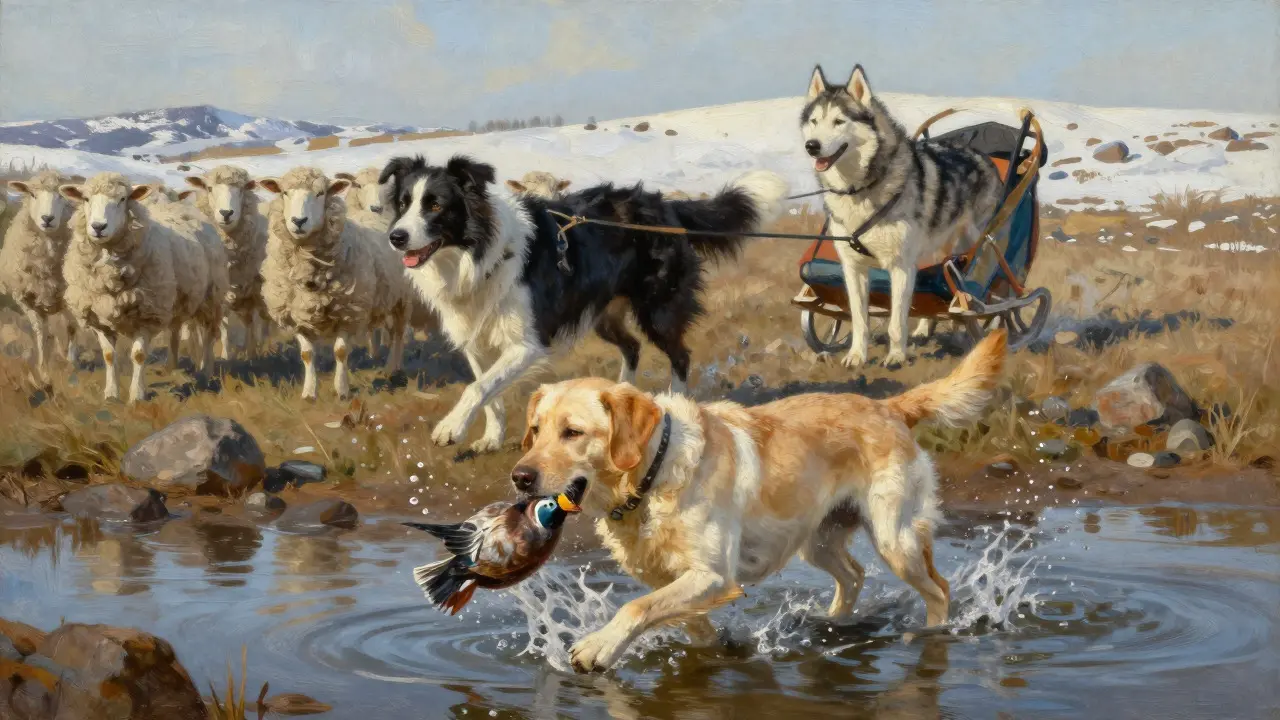
- American Herding Group: Created in 2015, this group includes breeds developed specifically in the United States, such as the Australian Shepherd and Border Collie. They are highly intelligent and require significant physical and mental exercise.
- Hound Group: These dogs were bred to track prey using their nose or ears. This includes both scent hounds like the Bloodhound and sight hounds like the Greyhound. They often have independent streaks and strong drives to chase.
- Mixed Group: This is a catch-all for breeds that don’t fit neatly into the other six categories. It includes diverse dogs like the Corgi, Dalmatian, and Pomeranian.
- Nonsporting Group: Originally created for urban dogs that didn’t need to hunt or herd, this group now includes popular companions like the Beagle, Bulldog, and Chihuahua. It is the largest group in terms of variety.
- Sporting Group: These are the classic hunting partners. Bred to retrieve game or point at birds, breeds like the Labrador Retriever and German Shorthaired Pointer are active, eager to please, and generally easy to train.
- Terrier Group: Small, bold, and energetic, terriers were bred to kill vermin. Breeds like the Jack Russell Terrier and West Highland White Terrier are fearless and require firm, consistent training to manage their high drive.
- Working Group: These are large, powerful dogs originally used for labor, guarding, or pulling sleds. Examples include the Siberian Husky, Rottweiler, and Saint Bernard. They are loyal but can be stubborn if not properly socialized.
Why Classification Matters for Owners
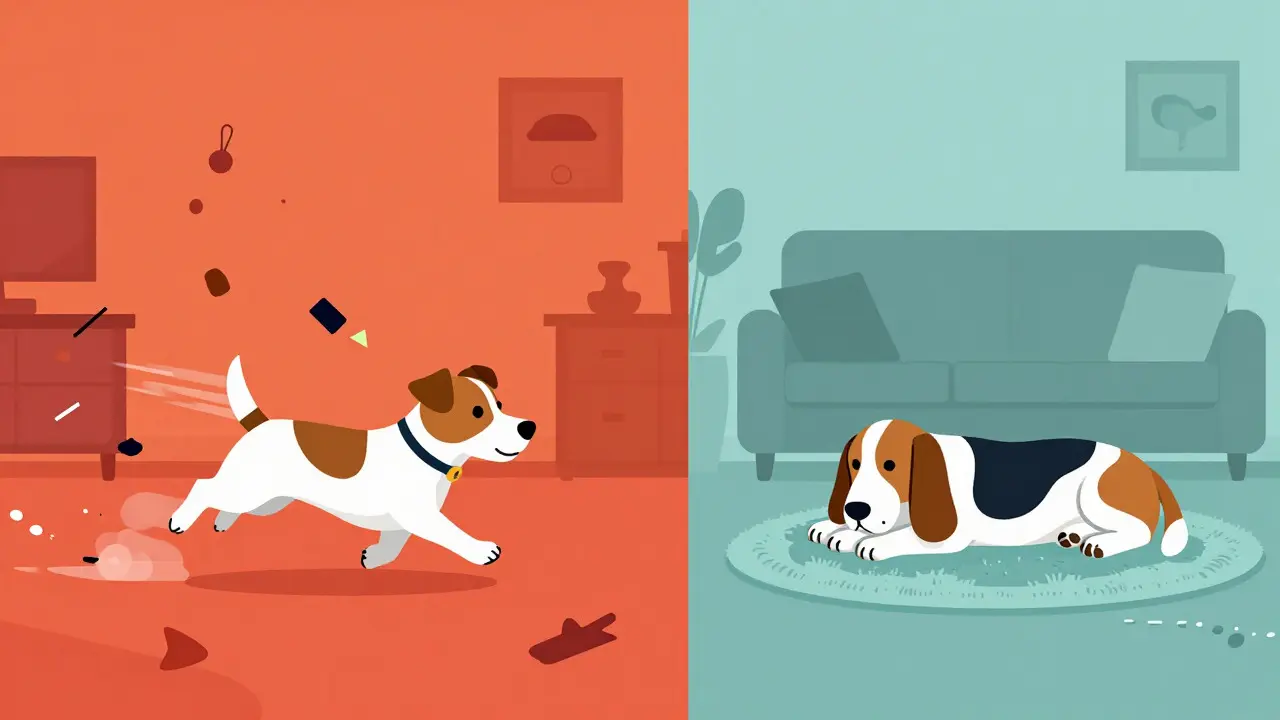
You might think a small dog is always low-energy and a large dog is always calm. The group classification proves otherwise. For example, a Dachshund is a terrier-type hound (though classified under Hounds or Mixed depending on the specific standard context, usually Hound) bred to go underground. They are incredibly persistent. If you ignore this trait, you’ll end up with a dog that digs up your garden or refuses to stop barking when it smells something interesting.
On the other hand, a Basset Hound is a scent hound. While they look lazy, their nose never stops working. They need sniff-heavy walks more than long jogs. Matching the dog’s group to your lifestyle prevents many behavioral problems. A Border Collie (Herding Group) left alone in a yard without a job will likely develop destructive habits because their brain is designed to work constantly.
Comparison of Key Breed Groups
| Group | Typical Energy Level | Training Difficulty | Best For |
|---|---|---|---|
| Herding | Very High | Challenging (High Intelligence) | Active families, agility enthusiasts |
| Sporting | High | Moderate (Eager to Please) | Hunters, active households |
| Terrier | High | Moderate (Stubbornness) | People who enjoy interactive play |
| Working | Moderate to High | Moderate (Independent) | Experienced owners, security needs |
| Nonsporting | Varies Widely | Varies Widely | Urban living, companionship |
| Hound | Moderate to High | Difficult (Independent) | Secure yards, patient trainers |
| Mixed | Varies Widely | Varies Widely | Specific aesthetic or functional traits |
Common Misconceptions About Breed Groups
One big myth is that group classification equals size. The Nonsporting Group contains everything from the tiny Chihuahua to the massive Newfoundland. Another misconception is that all Working Dogs are guard dogs. While some are protective, others like the Bernese Mountain Dog are famously gentle giants meant for cart-pulling and family companionship.
Also, don’t confuse "purebred" with "group." A mixed-breed dog (often called a mutt) doesn’t belong to an official AKC group because its lineage isn’t documented to a specific standard. However, rescue organizations often use group traits to guess a mix’s behavior. If a rescue dog looks like a Boxer (Nonsporting) and acts like a Labrador (Sporting), expect a high-energy companion that loves water and people.
How Kennel Clubs Define These Standards
The AKC, along with the UKC and FCI, maintains breed standards. These documents describe the ideal physical and temperamental qualities for each breed. When a new breed is proposed, judges evaluate whether it fits the existing groups or if a new category is needed. The creation of the American Herding Group in 2015 was a direct response to the popularity of herding breeds developed in the US, which previously had no dedicated home in the classification system.
These standards aren’t static. As lifestyles change, so do breeding goals. Today, many breeders focus on health and temperament alongside traditional working traits. This means a modern Sporting Dog might be less intense than its ancestor from 1900, but the core drive to retrieve remains. Understanding the history behind the group helps you respect the dog’s instincts rather than fighting them.
Choosing the Right Group for Your Lifestyle
If you live in a small apartment and work long hours, a high-drive Herding or Terrier breed might be too much. A Nonsporting or Companion-oriented breed from the Mixed Group might suit you better. Conversely, if you hike every weekend, a Sporting or Working breed could be your perfect partner. Ask yourself: Do I want a dog that works beside me, or one that relaxes with me? The group classification gives you the honest answer about the dog’s natural tendencies.
Frequently Asked Questions
Are all retrievers in the Sporting Group?
Yes, most retrieving breeds like the Golden Retriever, Labrador Retriever, and Chesapeake Bay Retriever are in the Sporting Group. However, some smaller spaniels that retrieve game birds are also in the Sporting Group, while other bird-dog types may fall under different classifications depending on their specific hunting style.
What group is a French Bulldog in?
The French Bulldog is in the Nonsporting Group. This group includes many popular urban companion dogs that were originally bred for city life rather than fieldwork or herding.
Do mixed breeds have a breed group?
Officially, no. Only purebreds with documented lineage are assigned to AKC groups. However, vets and trainers often estimate a mixed breed's needs based on the parent breeds' groups. For example, a Lab-Mix will likely share the high energy and food motivation of the Sporting Group.
Why are Corgis in the Mixed Group instead of Herding?
While Corgis are herding dogs, the AKC places them in the Mixed Group because their specific heritage and utility patterns differ slightly from the primary American Herding Group breeds. The Mixed Group serves as a diverse category for breeds with unique histories that don't fit the strict definitions of the other six groups.
Can a dog change groups over time?
Rarely, but yes. If a breed's population grows significantly and its characteristics become distinct enough, the kennel club may create a new group or reclassify the breed. The establishment of the American Herding Group in 2015 is the most recent major example of this process.