Quick Rescue Summary
- Immediate Action: Move the dog to shade and begin cooling with lukewarm (not ice-cold) water.
- The Danger Zone: A rectal temperature above 103°F (39.4°C) is concerning; 106°F (41.1°C) is a critical emergency.
- Burn Care: Flush burns with cool running water; never apply butter or oils to the wound.
- Transport: Always head to a vet immediately after stabilization, as internal organ damage can be hidden.
Spotting the Signs of Heat Stroke
Heat stroke, or Hyperthermia is a condition where the dog's core body temperature rises to a level that causes cellular damage and organ failure. It doesn't always happen in a hot car; it can happen during a hike in the humidity or even in a poorly ventilated room.
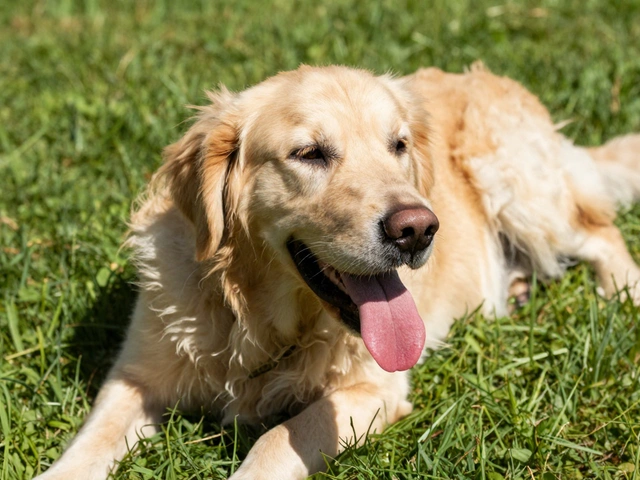
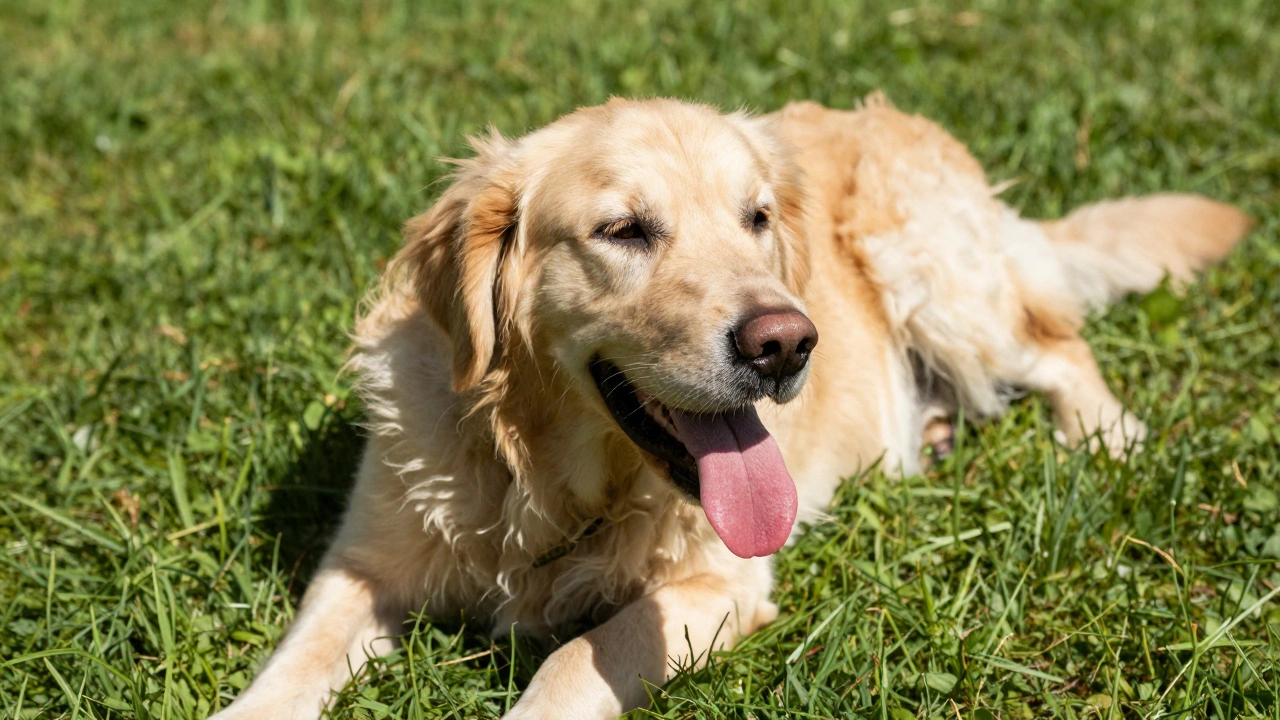
You'll notice the panting first. It becomes frantic and loud. Their gums will shift from a healthy pink to a bright, brick red or even a purplish hue. If your dog starts drooling excessively-thick, ropey saliva-that's a major red flag. In advanced stages, you'll see ataxia, which is just a fancy way of saying they are stumbling or walking like they're drunk. Some dogs may even have seizures or lose consciousness entirely. If you suspect this, stop whatever you're doing. Your only goal now is to bring that core temperature down safely.
The Emergency Cooling Process
The goal isn't to freeze your dog; it's to cool them steadily. If you plunge a hyperthermic dog into a tub of ice water, their blood vessels in the skin will constrict (vasoconstriction). This actually traps the heat inside the core and can cause the dog to go into shock.
- Move to a Cool Area: Get them into an air-conditioned room or the deepest shade available. If you're in a car, blast the AC.
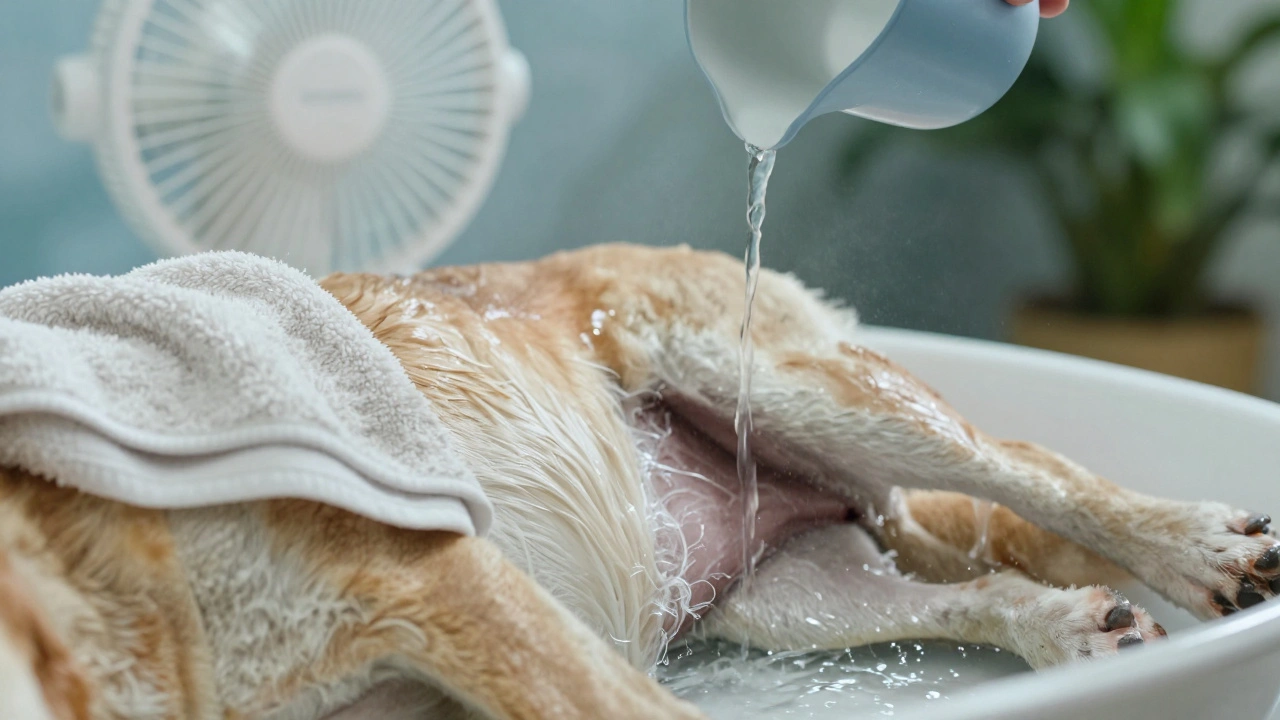
- Use Lukewarm Water: Pour room-temperature or slightly cool water over their belly, armpits, and groin. These are areas where blood vessels are closest to the skin, allowing for faster heat exchange.
- The Wet Towel Technique: Place damp towels on their body and use a fan to blow air over them. This mimics the evaporation process that dogs lack.
- Hydration: Offer water, but do not force it down their throat. If they are semi-conscious, they might inhale the water into their lungs, causing aspiration pneumonia.
| Temperature | Status | Action Required |
|---|---|---|
| 101.0°F - 102.5°F | Normal | Standard monitoring |
| 103.0°F - 105.0°F | Elevated | Move to shade, provide water, monitor |
| 106.0°F+ | Critical | Emergency cooling and immediate vet visit |
Dealing with Thermal and Chemical Burns
While heat stroke is a systemic failure, burns are localized trauma. Whether it's a hot stove, a chemical spill, or a burst steam pipe, the skin is the first line of defense to be destroyed. Thermal Burns occur from heat, while chemical burns result from caustic substances. Both require a specific sequence of actions to prevent deep tissue necrosis.
First, ensure the source of the burn is gone. If it's a chemical, wear gloves so you don't get burned too. Flush the area with cool, running water for at least 20 minutes. This does two things: it stops the burning process and washes away contaminants. Do not use ice, as it can further damage the fragile skin cells.
A common mistake is applying butter, flour, or heavy ointments to a fresh burn. These trap heat and can introduce bacteria into an open wound. If the skin is intact, a light application of aloe vera is fine, but for open blisters or charred skin, leave it alone and cover it loosely with a clean, lint-free cloth before heading to the clinic.
The Hidden Dangers: Why the Vet Visit is Non-Negotiable
You might cool your dog down and see them perk up, thinking the crisis is over. This is a dangerous assumption. Heat stroke often triggers a cascade of internal issues that don't show up immediately. One of the most severe is DIC (Disseminated Intravascular Coagulation), where the blood starts clotting abnormally throughout the body. This can lead to internal bleeding and organ failure hours after the dog has cooled down.
Furthermore, the extreme heat can cause the lining of the gut to slough off, leading to endotoxemia. This is when bacteria from the intestines leak into the bloodstream. Only a professional can administer the IV fluids and medications needed to protect the kidneys and liver from the toxins released during a heat event. If your dog has had a heat-related emergency, they need blood work and a physical exam, period.
Prevention and Gear for High-Heat Days
The best first aid is the kind you never have to use. If you live in a place with high humidity or extreme summers, you need a strategy. Brachycephalic breeds-like English Bulldogs or Pugs-are at a massive disadvantage because their narrow airways make panting less efficient. For these dogs, heat stroke happens in minutes, not hours.
- The Pavement Test: Place the back of your hand on the asphalt for seven seconds. If it's too hot for you, it's too hot for their paws. Walk on grass or stick to early morning trips.
- Cooling Vests: These are absorbent garments you soak in water. They provide a constant, slow release of cool moisture against the dog's skin.
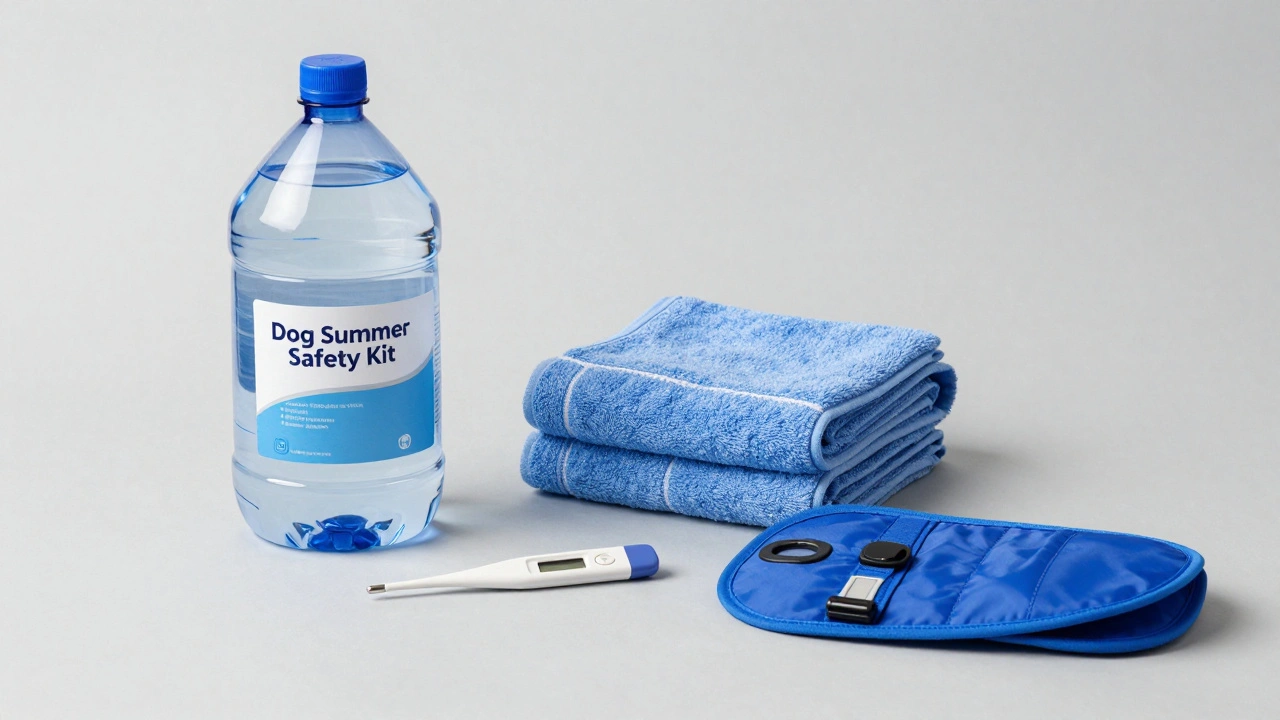
- Travel Kits: Keep a gallon of distilled water and a few microfiber towels in your car at all times.
- Scheduling: Avoid exercise between 10 AM and 6 PM. The sun is at its peak, and the radiating heat from concrete can double the ambient temperature.
Comparing Heat Stroke vs. Simple Overheating
It's easy to confuse a dog that is just "too hot" with one in a state of heat stroke. The difference is whether the body's cooling mechanisms are still working. Overheating is a warning; heat stroke is a system collapse.
| Feature | Overheating (Hyperthermia) | Heat Stroke (Emergency) |
|---|---|---|
| Panting | Heavy but rhythmic | Frantic, gasping, or stopped |
| Gum Color | Bright pink | Dark red, purple, or blue |
| Behavior | Seeking shade, tired | Disoriented, stumbling, unconscious |
| Recovery | Quickly cools with water/shade | Requires medical intervention to stabilize |
Can I use ice cubes to cool my dog down?
Avoid placing ice directly on the skin or plunging the dog into an ice bath. This causes the surface blood vessels to shut down, which traps the heat in the core organs. Instead, use cool or lukewarm water and a fan to encourage evaporation, which is the safest way to lower the temperature without causing shock.
How do I tell if a burn is 1st, 2nd, or 3rd degree?
1st-degree burns look like a sunburn (red and painful). 2nd-degree burns involve blisters and deeper redness. 3rd-degree burns may look charred, white, or leathery and are often less painful because the nerve endings have been destroyed. Regardless of the degree, any burn larger than a postage stamp or any burn on the face or paws needs a vet visit.
Should I give my dog water if they are unconscious from heat?
No. Never pour water into the mouth of an unconscious or semi-conscious dog. They lose the ability to swallow properly, and the water will likely go into their lungs, causing aspiration pneumonia, which is a second emergency on top of the heat stroke.
What is the safest way to transport a heat-stroke dog to the vet?
Keep the air conditioning on the highest setting. If you have a spray bottle, continue misting the dog's belly and paws during the drive. Keep the dog in a position where they can pant freely; do not wrap them in thick blankets, even if they are shivering (which can happen during the cooling process).
How long does it take for heat stroke to become fatal?
It can happen very quickly. Once the core temperature hits 106°F, proteins in the body start to denature, and organs begin to fail. While some dogs recover if cooled quickly, others can succumb to organ failure or brain swelling within an hour if not treated. Speed is the most critical factor in survival.
Next Steps for Dog Owners
If you've just experienced a heat emergency with your pet, the first step after the vet visit is a recovery period. Limit exercise for at least a week, as the body is fragile and the internal organs need time to heal from the inflammatory stress.
For those living in high-risk areas, consider investing in a digital rectal thermometer-it's the only way to know for sure if your dog is in the danger zone. Additionally, keep a "cooling kit" by your door with a gallon of water and a small towel. If you have a flat-faced breed, prioritize air-conditioned indoor play during the summer months to avoid the risk entirely.