Bringing a rescue dog home to meet your children is one of the most exciting moments for any family. But it’s also a moment where things can go sideways if you aren’t prepared. You’re not just introducing a new pet; you’re merging two worlds with different rules, energy levels, and communication styles. The goal isn’t just to keep everyone safe from scratches or bites, but to build a relationship that lasts for years. If you’ve ever watched a toddler grab a puppy’s tail while the dog looks anxious, you know exactly what I mean.
This guide breaks down how to manage that transition without stress. We’ll look at practical safety steps, how to read your dog’s body language, and specific activities that turn strangers into best friends. Whether your adopted dog is a shy senior or a high-energy mix, these strategies help create a calm environment where both kids and dogs feel secure.
Quick Summary / Key Takeaways
- Supervision is non-negotiable: Never leave young children alone with an adopted dog until trust is fully established, usually after 2-4 weeks.
- Teach "calm" before "play": Kids need to learn quiet interactions first. High-energy play too early can overwhelm a rescued animal.
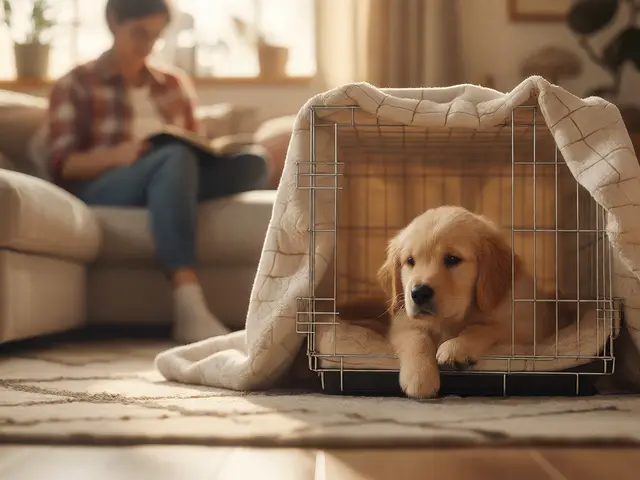
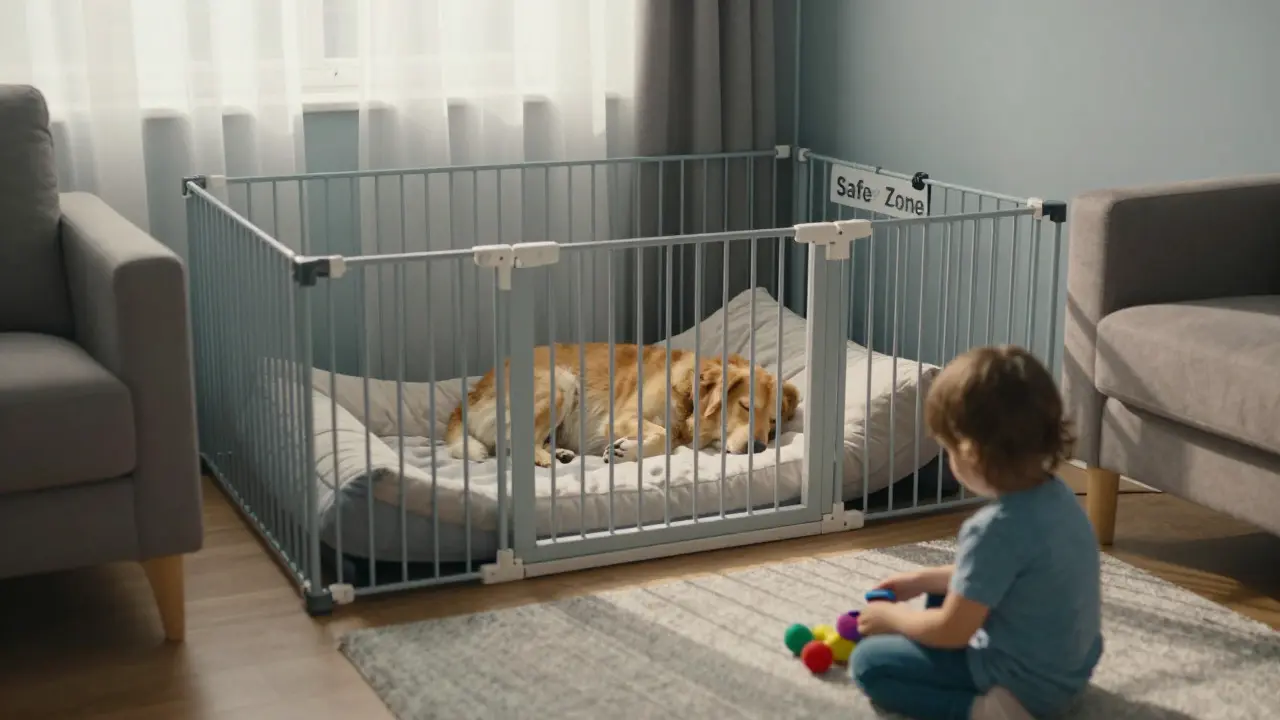
- Respect the dog's space: Create a safe zone (like a crate or separate room) where the dog can retreat without being bothered by kids.
- Body language matters: Teach children to recognize signs of stress in dogs, such as whale eye, lip licking, or stiff posture.
- Start slow: Initial meetings should be short, controlled, and positive, using treats to build good associations.
Why Adopted Dogs Need Extra Patience with Kids
Adopted dogs often carry baggage from their past. Unlike shelter puppies raised in social environments, many rescues have experienced neglect, trauma, or inconsistent handling. This means their threshold for stress might be lower than a typical family pet. When you add children into the mix-who are loud, unpredictable, and often lack impulse control-the equation gets complex.
The key difference here is predictability. A dog that has been abused may flinch when a hand moves quickly toward its face. A kid doesn't understand this; they just see a fun toy. Your job is to act as the translator between the two. You need to set boundaries that protect the dog’s confidence while teaching the kids respect. This isn't about keeping them apart forever; it's about building a foundation of trust so they can interact freely later.
Consider the concept of the Safe Zone is a designated area in the home where the dog can rest undisturbed. For example, a bedroom door that stays closed during the day. If the dog knows this space is theirs, anxiety drops significantly. Without this boundary, every time a child wanders in, the dog feels its territory is invaded, leading to defensive behaviors like growling or snapping.
Step-by-Step Introduction Process
How you introduce your kids to the new dog sets the tone for the entire relationship. Rushing this step is the most common mistake families make. Here is a proven method to handle the first few days smoothly.
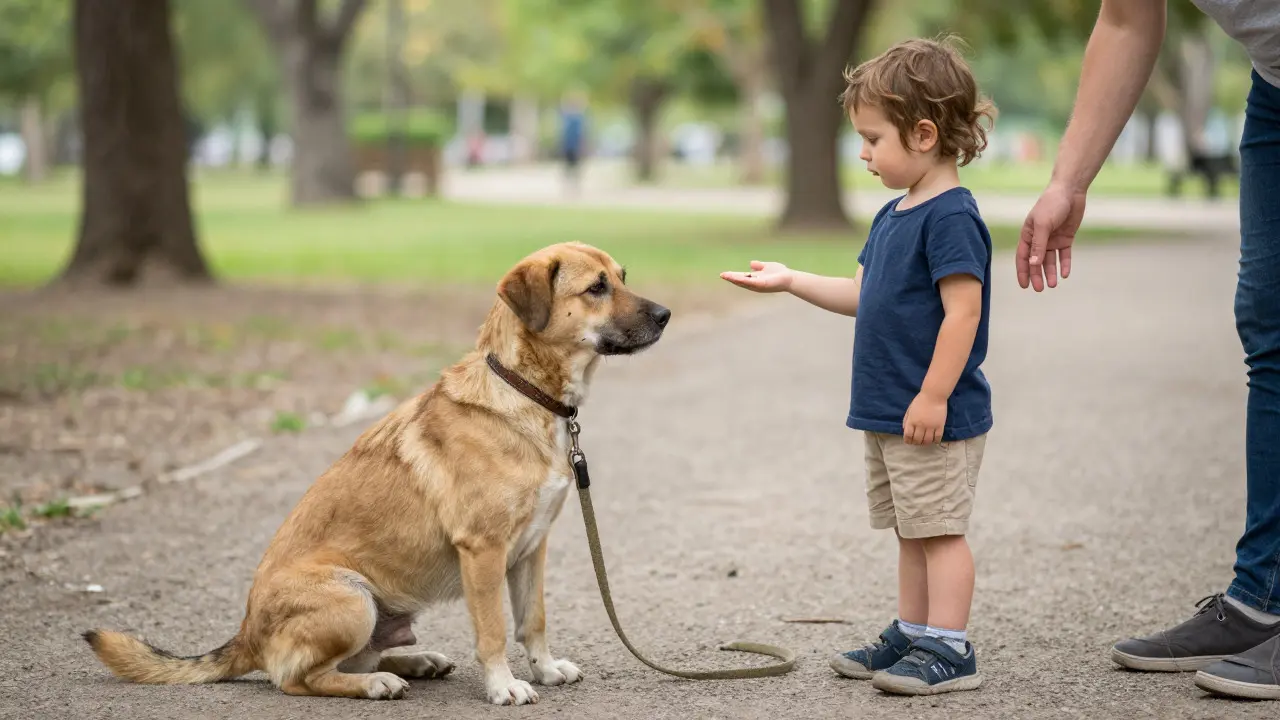
- Keep the First Meeting Neutral: Meet outside the house, perhaps in a neighbor's yard or a park. Keep the dog on a loose leash. Have the kids stand still and ignore the dog. Let the dog come over and sniff. No hugging, no reaching for the head.
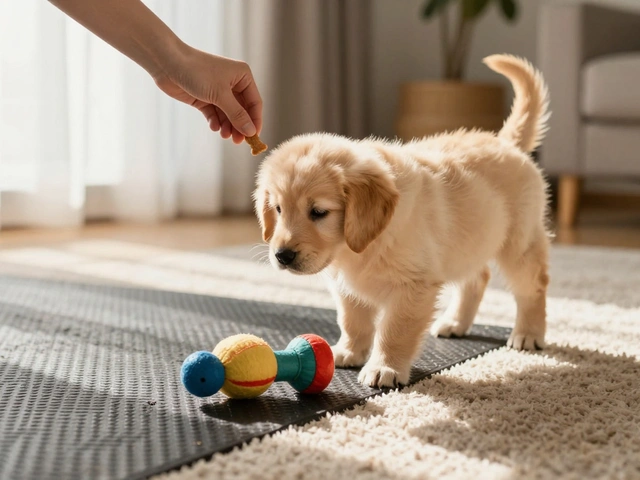
- Use Treats as a Bridge: Give the kids small, soft treats. Instruct them to hold out a flat hand with a treat. When the dog takes the treat, praise the dog calmly. This teaches the dog that kids = good things, and teaches kids to be gentle.
- Short Sessions Only: Keep these initial interactions under 10 minutes. End the session on a positive note, even if it was boring. Boring is better than stressful.
- Bring the Dog Home Alone First: Ideally, let the dog settle into the house for a day or two before the kids are home. This allows the dog to explore its new scent environment without the pressure of human interaction.
- Gradual Integration: Once the dog is comfortable in the house, allow supervised indoor interactions. Start with sitting together quietly. Read a book nearby. Let proximity build comfort.
During this phase, watch for subtle cues. If the dog turns its head away, give it space. If the dog offers a play bow, that’s a green light for gentle play. If the dog freezes, pause everything. These micro-interactions are where the real learning happens.
Teaching Kids to Read Dog Body Language
Kids often think dogs are always happy because they wag their tails. But a wagging tail doesn't always mean "friendly." It can mean "excited," "anxious," or "defensive." Teaching your children to decode these signals is the single most effective way to prevent accidents.
| Signal | What It Means | What Kids Should Do |
|---|---|---|
| Whale Eye (showing whites of eyes) | Nervousness or fear | Stop looking directly at the dog; move slowly |
| Lip Licking or Yawning | Stress or appeasement | Give the dog space; don't touch |
| Stiff Body / Fixed Stare | Potential aggression or high alert | Stand still; do not run; back away slowly |
| Play Bow (front down, butt up) | Invitation to play | Gently engage with toys, not hands |
| Relaxed Loose Wiggles | Happiness and comfort | Safe for gentle petting and cuddling |
Make this a game. Call it "Dog Detective." Point out these signals in real-time. "Look, his ears are back. That means he wants some space." When kids start anticipating the dog's needs, they become partners rather than intruders. This shift in mindset is crucial for long-term harmony.
Safety Rules That Actually Work
Rules sound restrictive, but they provide structure. Without rules, chaos ensues. Here are the non-negotiable safety protocols for homes with adopted dogs and children.
- The "Three R's" Rule: Respect, Routine, and Rest. Respect the dog's space, follow a consistent feeding schedule, and ensure the dog gets enough sleep. Tired dogs bite more often than energetic ones.
- No Food Stealing: Train the dog to accept food bowls near people, but initially, feed the dog in a separate room. This prevents resource guarding, a common issue in rescues who haven't had reliable food sources.
- Leash Indoors (Initially): For the first week, keep the dog leashed inside the house. This gives you physical control if a situation escalates. It also helps the dog learn boundaries without feeling trapped.
- Quiet Time Zones: Designate areas where the dog cannot be disturbed. Use baby gates or crates if necessary. This protects the dog from overstimulation.
- Hand Petting Technique: Teach kids to pet on the sides (chest, shoulders), not on the top of the head. Reaching over a dog's head can trigger a defensive reflex in fearful animals.
Consistency is key here. If Mom allows the dog on the couch but Dad doesn't, the dog gets confused. Confusion leads to anxiety. Pick your rules and stick to them. The dog will learn faster when the environment is predictable.
Building Positive Bonds Through Play
Safety is the floor, not the ceiling. You want a bond, not just coexistence. How do you get there? Through shared positive experiences. The goal is to associate each other with joy.
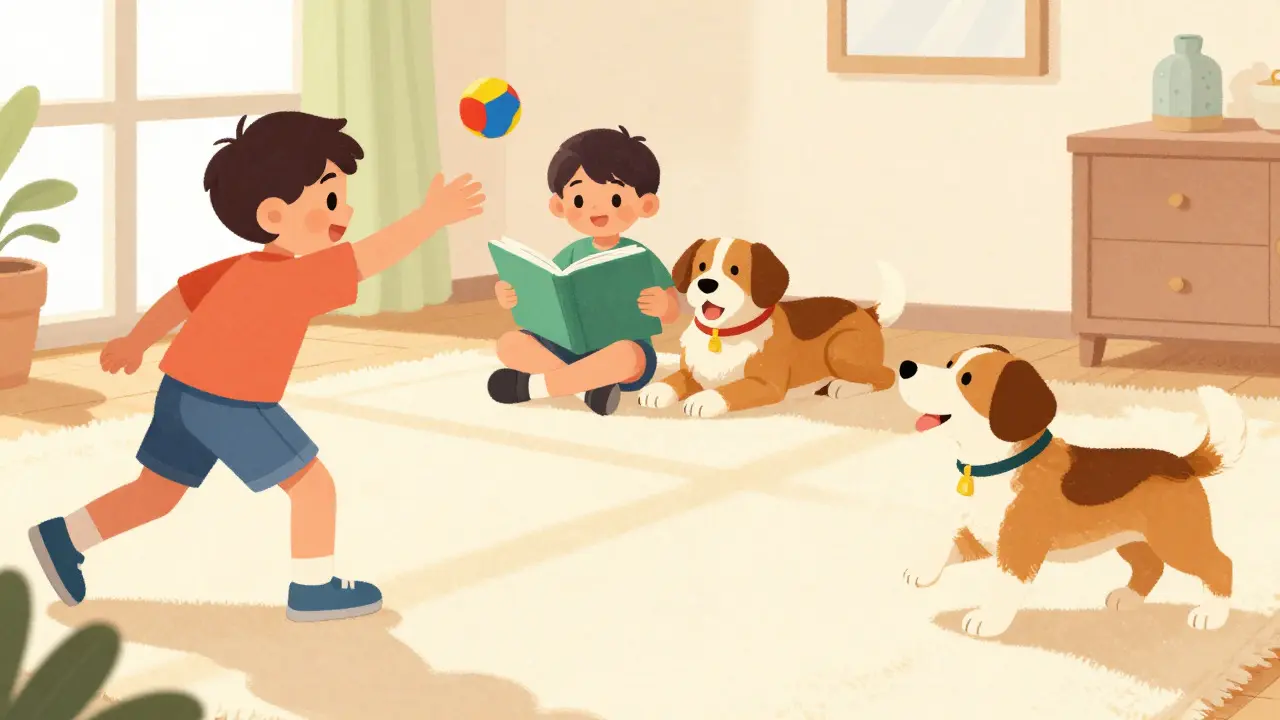
Start with low-stakes games. Fetch is excellent because it involves distance. The dog runs, the kid throws, the dog returns. No close contact required. As trust builds, move to tug-of-war. Tug is often misunderstood as aggressive, but for most dogs, it’s a cooperative game. It builds confidence and reinforces the leader-follower dynamic in a fun way.
Try "Name Games." Hold a treat behind your back. Say the dog's name. When the dog looks at you, give the treat. Then, say the kid's name. When the dog looks at the kid, give the treat. This creates a positive association between the child and the reward. Eventually, the dog will look at the kid expecting something good to happen.
Another powerful tool is parallel play. Sit next to the dog while reading a book or doing homework. Don't force interaction. Just exist in the same space. Over time, the dog will realize that humans nearby aren't a threat. They're just part of the background scenery. This passive bonding is often stronger than forced affection.
When to Seek Professional Help
Not every situation works out with DIY methods. Sometimes, the history is too heavy, or the personality clash is too significant. Knowing when to call in reinforcements saves months of frustration.
Consult a certified professional dog trainer or behaviorist if:
- The dog growls, snaps, or hides consistently for more than two weeks.
- The children are afraid of the dog, or vice versa.
- Resource guarding occurs (growling over toys, food, or beds).
- Separation anxiety becomes severe when the kids are at school.
A professional can assess the specific dynamics of your household. They can create a tailored plan that addresses the root cause, whether it's fear-based reactivity or simple bad habits. Early intervention is cheaper and easier than dealing with entrenched problems later.
Frequently Asked Questions
How long does it take for an adopted dog to adjust to kids?
Most dogs begin to show relaxed behavior within 2 to 4 weeks, but full integration can take 3 to 6 months. Senior dogs often adjust faster than puppies because they have learned self-control. However, every dog is unique. Some with severe trauma histories may take longer. The key is consistency and patience during this period.
Is it safe to let a toddler hug an adopted dog?
Generally, no. Toddlers lack impulse control and may squeeze too hard or cover the dog's face, which triggers a prey drive or fear response in many dogs. Wait until the child is at least 5 or 6 years old and understands how to approach gently. Always supervise hugs closely, and teach the dog that a hug equals a treat to build positive associations.
What if the dog only likes me and ignores the kids?
This is very common. Dogs form strong bonds with their primary caregiver first. To encourage interest in the kids, have the kids be the ones giving treats, walking the dog, or playing fetch. Make the kids the source of good things. Avoid forcing the dog to interact; let the curiosity build naturally. Over time, the dog will likely seek out the children for attention and play.
Should we use a muzzle around kids?
Only if recommended by a behaviorist for a specific high-risk situation. Muzzles can sometimes increase anxiety if not introduced properly. For most adopted dogs, management tools like leashes, gates, and supervision are more effective and less stressful. If a muzzle is used, train the dog to love it by associating it with high-value treats, not punishment.
How do we handle the dog stealing kids' shoes or toys?
Store kids' items in closed cabinets or bins with lids. Dogs are opportunistic scavengers. Instead of chasing the dog, trade the item for a higher-value treat. This teaches the dog that giving up the object leads to something better. Consistency in storage is the easiest long-term solution to prevent this behavior entirely.