Have you ever come home to a chewed-up couch or a hole dug in the backyard? You might blame the dog for being "bad," but often, the real culprit is boredom. It’s not just about a lack of physical exercise; it’s a complex state where a dog’s natural instincts aren’t being met. When a dog is bored, they are essentially under-stimulated, leading them to create their own entertainment-usually at your expense.
Understanding this distinction is key. A tired dog is calm. A bored dog is restless. If you’ve noticed your pet pacing, whining, or obsessively licking their paws, they might be screaming for help in the only way they know how. Let’s break down what boredom actually looks like, why it happens, and how you can fix it without breaking the bank or your sanity.
The Real Difference Between Boredom and Anxiety
Before you start buying new toys, it helps to diagnose the problem correctly. Many owners confuse boredom with separation anxiety or general stress. While they can overlap, the indicators are distinct. Boredom is primarily driven by a lack of engagement. The dog has energy to spare but no outlet for it.
Anxiety, on the other hand, is driven by fear or uncertainty. An anxious dog might shake, hide, or have accidents regardless of how much they played earlier. A bored dog, however, will often seem hyperactive or destructive even after a good walk. Think of it this way: if you had a full day of work but no hobbies, you’d probably pick up your phone and scroll mindlessly. That’s what your dog does when they chew the baseboards.
- Boredom: Destructive chewing, digging, barking at nothing, pacing.
- Anxiety: Hiding, trembling, excessive drooling, house-soiling.
- Pain: Limping, reluctance to move, changes in appetite.
If the behavior persists despite increased playtime, it’s worth a vet visit to rule out medical issues first. But if your dog seems perfectly healthy yet constantly "on," boredom is likely the driver.
Common Behavioral Indicators of a Bored Dog
Dogs don’t tell us they’re bored; they show us. Learning to read these subtle cues can save your furniture and improve your dog’s quality of life. Here are the most common signs that point to under-stimulation rather than illness or fear.
- Destructive Chewing: This isn’t always teething. If an adult dog chews specific items (like door frames or corners of tables) repeatedly, they are often seeking sensory feedback. The act of biting releases endorphins, providing temporary relief from monotony.
- Excessive Digging: For breeds like Terriers or Huskies, digging is instinctual. But if a non-digging breed starts creating craters in the yard, they may be trying to cool off or simply find something interesting to do with their front paws.
- Shadow Chasing: Has your dog started chasing their own tail or shadows around the room? This repetitive behavior is a classic sign of a dog trying to occupy their own time.
- Vocalization: Barking or whining without a clear trigger (like a stranger at the door) often signals frustration. They are demanding interaction because silence feels empty.
- Obsessive Licking: Licking one paw until it’s raw is a self-soothing mechanism. While it can indicate allergy, it’s frequently a coping strategy for mental stagnation.
Why Dogs Get Bored: It’s Not Just About Exercise
A common misconception is that a long walk equals a happy dog. In reality, walking provides physical fatigue, but sniffing provides mental fatigue. A dog’s brain processes information through scent. To a human, a park smells like grass and flowers. To a dog, it’s a newspaper filled with thousands of stories about who was there, what they ate, and their mood.
When we keep dogs indoors for eight hours a day, we strip them of this cognitive input. Their brains crave problem-solving. Without tasks, puzzles, or varied environments, their neural pathways go idle. This is why a high-energy Border Collie can still be bored after a jog-they need a job to do, not just a run to take.
Furthermore, routine plays a massive role. If your dog’s day follows the exact same pattern every single day, predictability becomes boring. Variation is the spice of canine life. Changing routes, introducing new smells, and altering playtimes keeps their minds sharp.
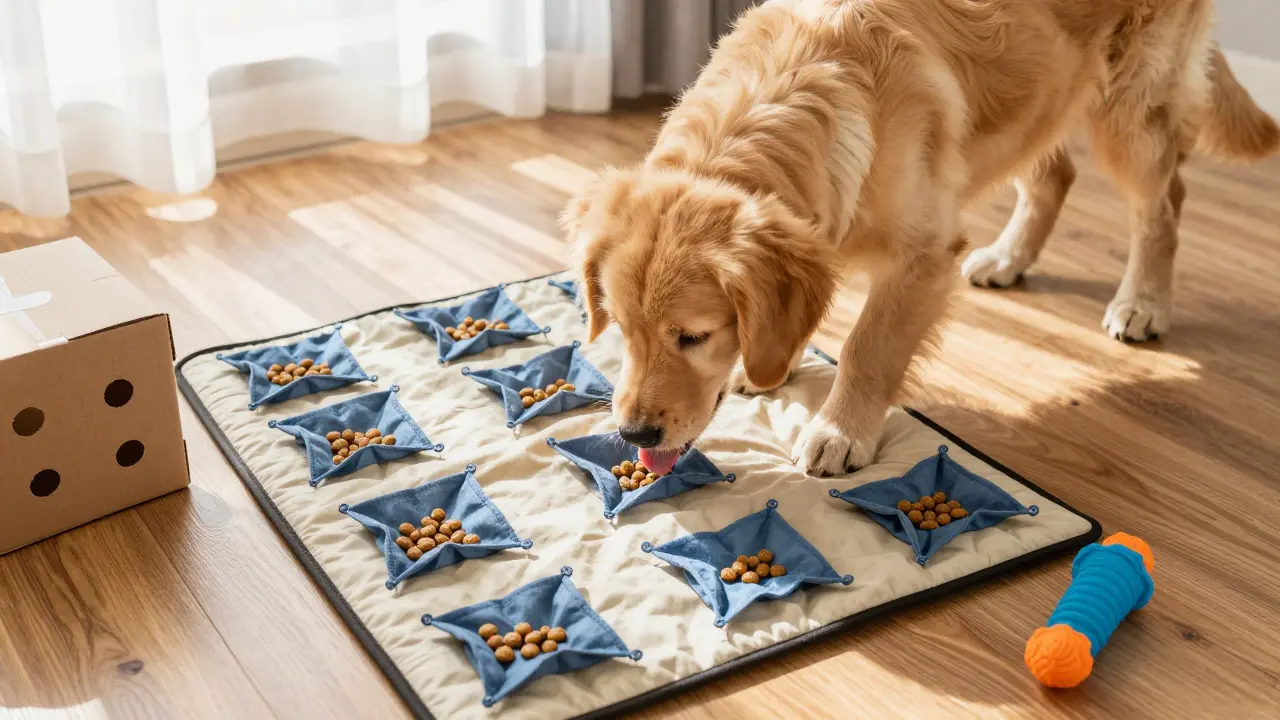
Mental Stimulation: The Most Underrated Enrichment Tool
If you only do one thing to combat boredom, make it mental stimulation. Ten minutes of intense puzzle-solving can tire a dog out more than an hour of leash walking. This is because mental work burns glucose in the brain, leading to a deeper sense of satisfaction.
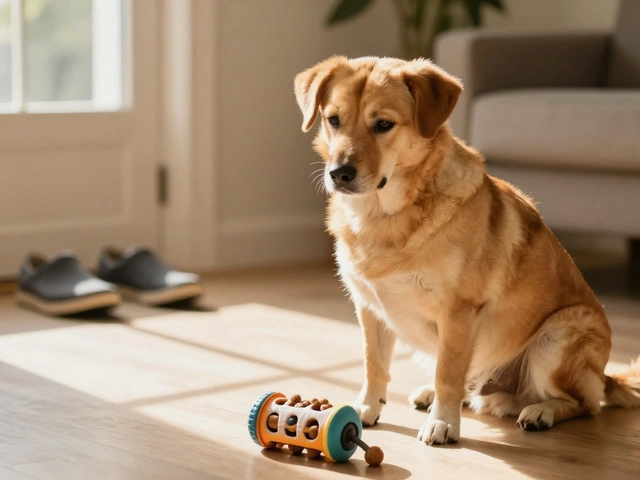
You don’t need expensive gadgets for this. Start simple. Hide treats in a sock and let them figure out how to get them out. Use cardboard boxes with holes cut in them for snuffle games. Even freezing kibble in a Kong toy turns mealtime into a challenge.
For advanced thinkers, try training sessions. Teaching a new trick, like "spin" or "shake," engages their focus and strengthens your bond. Keep sessions short-five to ten minutes-to prevent frustration. The goal is success, not exhaustion.
Physical Enrichment Ideas That Actually Work
While mental work is crucial, physical movement builds the endurance needed for a balanced dog. However, not all exercise is created equal. A fetch game is fun, but it’s passive for the dog once the ball lands. Interactive games require decision-making.
- Scent Games: Set up a grid of cups and hide a treat under one. Let your dog sniff it out. This taps into their primary sense and tires them out quickly.
- Tug-of-War: This is excellent for impulse control. Teach your dog to drop the toy on command. It’s a two-way conversation, not just a pull.
- Varied Walks: Leave the main path. Go through fields, over bridges, or along different streets. New smells mean new data to process.
- Agility at Home: Use broomsticks as poles or pillows as jumps. It doesn’t have to be professional; it just needs to be novel.
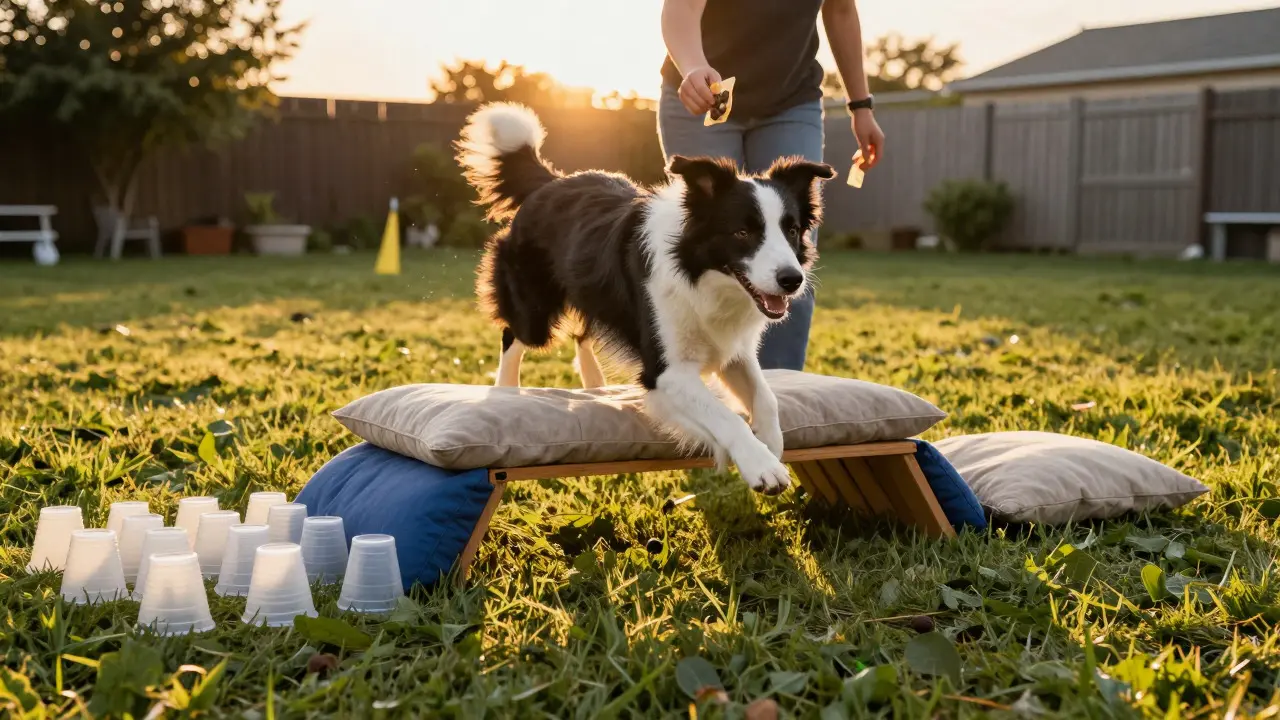
Creating a Daily Routine That Prevents Boredom
Consistency prevents chaos. Instead of waiting for destructive behavior to happen, build a schedule that proactively addresses their needs. A typical day might look like this:
| Time | Activity | Purpose |
|---|---|---|
| Morning | 15-min walk + Snuffle mat breakfast | Physical burn + Mental engagement at start of day |
| Mid-Day | Kong freeze dry or Puzzle feeder | Keeps them occupied while you're away |
| Evening | Training session (5-10 mins) + Free play | Bonding + Impulse control practice |
| Night | Calm decompression (no rough play) | Signals bedtime and reduces cortisol |
Notice that food isn’t just served in a bowl. Every meal is an opportunity for enrichment. Turning dinner into a scavenger hunt across the living room ensures they are working for their calories. This mimics the natural foraging behaviors of their wolf ancestors.
When to Seek Professional Help
Most cases of boredom can be managed at home with consistency. However, some dogs have underlying behavioral issues that mimic boredom. If your dog is reactive, aggressive, or shows signs of severe anxiety, a certified behaviorist can provide a tailored plan. They can help distinguish between true boredom and compulsive disorders, which require different treatment approaches.
Remember, enrichment isn’t a one-time fix. It’s a lifestyle. As your dog grows and changes, so will their needs. What worked for a puppy might not satisfy a senior dog. Stay observant, stay flexible, and keep things fresh. Your dog’s tail wag will thank you.
How much exercise does a bored dog actually need?
There is no single number. It depends on breed, age, and health. However, most active dogs need at least 30-60 minutes of physical activity plus 15-20 minutes of mental stimulation daily. The key is quality over quantity; a focused 10-minute puzzle session is often more tiring than a lazy 1-hour walk.
Are interactive dog toys really necessary?
They are helpful but not mandatory. DIY options like frozen water bottles, cardboard boxes, and hidden treats can be just as effective. The important factor is the element of surprise and problem-solving, not the price tag of the toy.
My dog is still bored after walks. Why?
Walking alone doesn't engage the brain fully. If you are holding the leash tightly and moving quickly, your dog isn't sniffing enough. Try free-roaming in safe areas or letting them lead the walk to allow for extensive scent investigation, which is mentally exhausting for them.
Can senior dogs get bored?
Yes, though their activities should be gentler. Senior dogs still need cognitive engagement to prevent cognitive decline. Soft snuffle mats, gentle training refreshers, and low-impact scent games are perfect for older joints while keeping the mind sharp.
How do I stop my dog from digging in the yard?
If it's boredom-related, provide an alternative. Designate a specific "dig zone" with loose soil or sand. Bury treats there and praise them when they dig in the right spot. Simultaneously, increase mental stimulation elsewhere to reduce the urge to create their own holes.