Imagine your usually energetic Golden Retriever suddenly struggling to climb the stairs or refusing to run after a ball. It’s not just old age; it could be a hidden myopathy is a group of disorders that affect skeletal muscles, leading to weakness, pain, or structural changes. Unlike temporary injuries, these conditions are often rooted in DNA. While some myopathies are visible through physical exams, many require specific genetic tests is laboratory analysis of DNA samples to identify mutations associated with hereditary diseases to confirm the diagnosis.
For dog owners, understanding the difference between a simple strain and a hereditary muscle disorder is crucial. This guide breaks down how canine genetic testing works, which breeds are most at risk, and what you can do once a result comes back. We will look at the science behind these tests without getting lost in jargon, ensuring you have the practical knowledge to make informed decisions about your pet's health.
Understanding Canine Myopathies
Myopathies are not one single disease but a collection of issues affecting how muscles function. In dogs, these problems usually fall into two categories: inherited defects in muscle structure or metabolic errors that prevent muscles from using energy correctly. The most common form involves dystrophin, a protein that keeps muscle cells intact. When this protein is missing or defective, muscle fibers tear during normal movement, leading to progressive weakness.
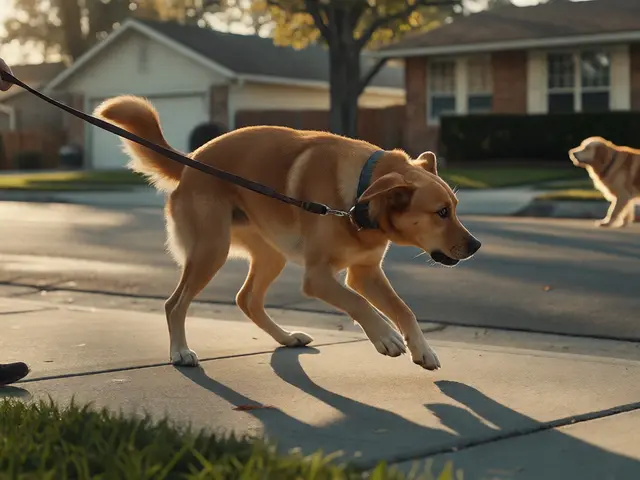
You might notice early signs like stiffness after rest, a wobbly gait, or reluctance to jump. However, because symptoms can mimic arthritis or hip dysplasia, a visual check isn't enough. That’s where genetics steps in. By identifying the specific gene mutation, veterinarians can distinguish between a primary muscle disease and secondary damage caused by other conditions like thyroid issues or electrolyte imbalances.
How Genetic Testing Works for Muscle Disorders
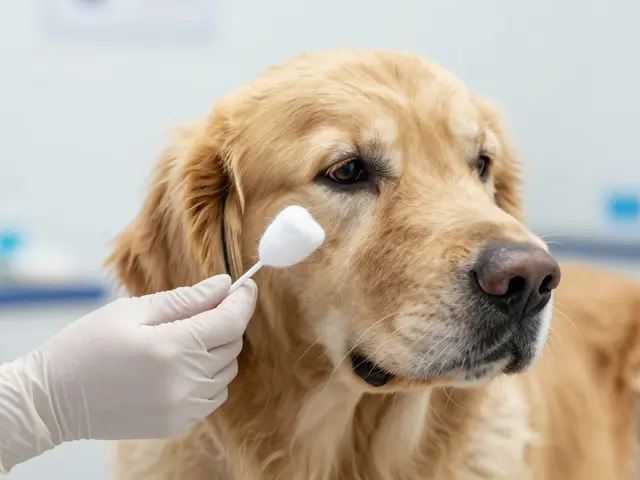
The process starts with a simple sample. Most labs use a cheek swab or a blood draw. This sample contains the dog's DNA, which is then analyzed for known mutations. It’s important to note that these tests are highly accurate for specific, well-studied mutations. They don’t scan the entire genome for every possible issue; rather, they look for specific "flags" associated with confirmed diseases.
There are three main types of results you might receive:
- Affected: The dog has two copies of the bad gene (one from each parent). They will likely show symptoms.
- Carrier: The dog has one copy of the bad gene. They may never show symptoms but can pass it to offspring.
- Cleared: The dog has no copy of the known bad gene. They cannot pass that specific mutation to their puppies.
This distinction is vital for breeders. If you are breeding dogs, knowing the carrier status helps you pair animals to reduce the risk of producing affected puppies. For pet owners, it confirms the diagnosis and helps rule out other causes for muscle weakness.
Common Breeds and Specific Conditions
Not all dogs are equally susceptible to myopathies. Certain breeds carry higher risks due to population bottlenecks in their history. Knowing if your breed is predisposed can help you decide whether to test proactively.
| Condition | At-Risk Breeds | Primary Symptom | Test Availability |
|---|---|---|---|
| Muscular Dystrophy | Golden Retriever, Labrador Retriever, Samoyed | Progressive weakness, difficulty standing | High (Multiple mutations identified) |
| Polymyositis | Collie, Shetland Sheepdog, German Shepherd | Painful inflammation, fever | Moderate (Associated markers available) |
| McKusick-Kaufman Syndrome | Labrador Retriever | Severe weakness at birth | High (Specific SNPs tested) |
| Hypokalemic Periodic Paralysis | Dalmatian, Beagle | Episodic paralysis, drooping ears | High (SLC4A1 gene) |
Notice that while Muscular Dystrophy is often linked to Retrievers, Hypokalemic Periodic Paralysis is more common in Dalmatians. This specificity matters. A test for one condition won’t detect another. Your veterinarian should recommend a panel based on your dog’s breed and clinical signs.
When to Consider Testing
You don’t need to test every dog for every muscle issue. However, there are clear scenarios where genetic testing becomes a priority. First, if your dog shows unexplained muscle weakness or exercise intolerance, testing can provide a definitive answer. Second, if you are planning to breed, testing both parents for relevant conditions is a responsible step. Third, if your dog has a family history of muscle disorders, proactive screening can catch carrier status before it affects future litters.
Cost is often a concern. A single-gene test might range from $50 to $150, while broader panels can cost several hundred dollars. Many reputable laboratories offer discounts for multiple tests. Keep in mind that these prices reflect the complexity of analyzing the DNA and the reliability of the assay. Cheaper tests sometimes lack validation, so always choose labs accredited by organizations like the American College of Veterinary Genetics.

Managing Life After a Diagnosis
Receiving an "Affected" result can be daunting, but it’s not a death sentence. Many myopathies are manageable with the right care. For example, dogs with muscular dystrophy benefit from low-impact exercises like swimming, which builds strength without straining damaged fibers. Dietary adjustments, such as adding omega-3 fatty acids, can also support muscle health.If the diagnosis is related to metabolic issues, like hypokalemic periodic paralysis, treatment is straightforward: supplementing potassium levels prevents episodes. The key is consistency. Once you know the root cause, you can tailor your dog’s lifestyle to avoid triggers. Regular check-ups with a veterinary neurologist or internist ensure that any secondary complications are caught early.
Frequently Asked Questions
Is genetic testing for myopathy painful for the dog?
No. The standard method involves a cheek swab, which is non-invasive and quick. Some labs accept blood samples, but the cheek swab is preferred because it requires no anesthesia or recovery time.
Can a cleared dog still develop muscle problems?
Yes. "Cleared" only means the dog does not carry the specific mutation tested for. Other genetic variants, environmental factors, or acquired diseases can still cause myopathy. It rules out one specific cause, not all possibilities.
How long does it take to get results?
Most commercial labs report results within 2 to 4 weeks. Complex panels or research-grade tests might take longer. You can usually track the status online through the lab’s portal.
Should I test my senior dog?
It depends. If symptoms are new and unexplained, testing can clarify the cause. However, for very old dogs, management focuses on comfort rather than curing a genetic defect. Consult your vet to see if the information will change the care plan.
Are there natural remedies for myopathy?
While supplements like CoQ10 and Omega-3s support general muscle health, they are not cures for genetic myopathies. Always combine natural approaches with veterinary guidance to avoid interactions with medications.