There is nothing quite like the chaos of a new puppy in a moving car. One minute they are sleeping peacefully, the next they are whining, chewing on the seatbelt, or trying to escape through the window. The solution isn't just about keeping them contained; it's about creating a safe, secure environment that mimics their den. A properly sized puppy travel crate is a confined space that provides security, prevents injury during sudden stops, and aids in house training. But here is the catch: most owners buy the wrong size. Too big, and the puppy can't learn bladder control. Too small, and they feel trapped. Getting this right makes the difference between a stressful road trip and a calm, happy journey.
Why Size Matters More Than You Think
Many people assume that buying a large crate now saves money because the puppy will grow into it. This is a common mistake. Puppies need a specific dimension to develop proper house training habits. If the crate is too spacious, a puppy will instinctively use one corner for sleeping and the opposite corner for eliminating waste. Over time, this breaks down the natural urge to hold it until they are outside.
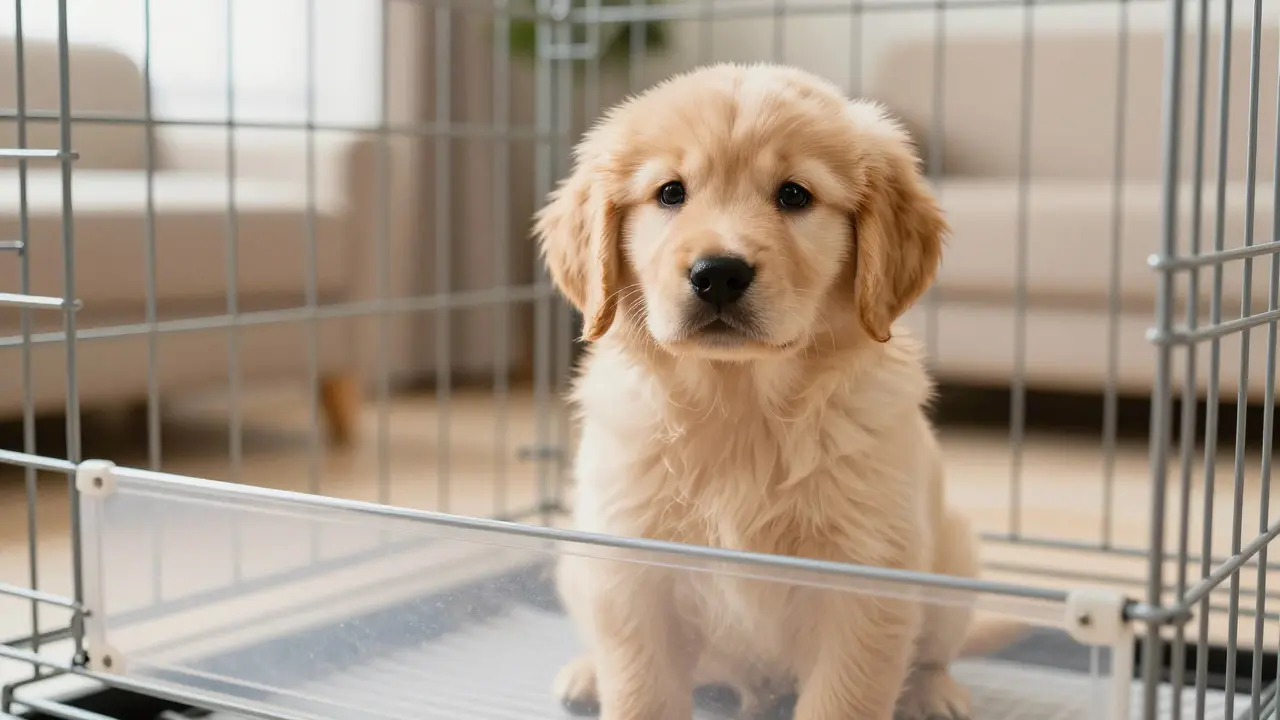
The golden rule for sizing is simple but requires precision. Your puppy should be able to stand up, turn around comfortably, and lie down without touching the walls. However, if you plan to use the crate for long-term house training, you should use dividers to restrict the space as the puppy grows. This modular approach ensures the crate fits their current body size perfectly while allowing for future expansion.
| Puppy Weight (lbs) | Recommended Crate Length (inches) | Recommended Crate Width (inches) | Recommended Crate Height (inches) |
|---|---|---|---|
| 5 - 10 | 18 | 14 | 14 |
| 11 - 20 | 24 | 19 | 17 |
| 21 - 35 | 30 | 23 | 21 |
| 36 - 55 | 36 | 26 | 25 |
Choosing the Right Material: Wire vs. Plastic
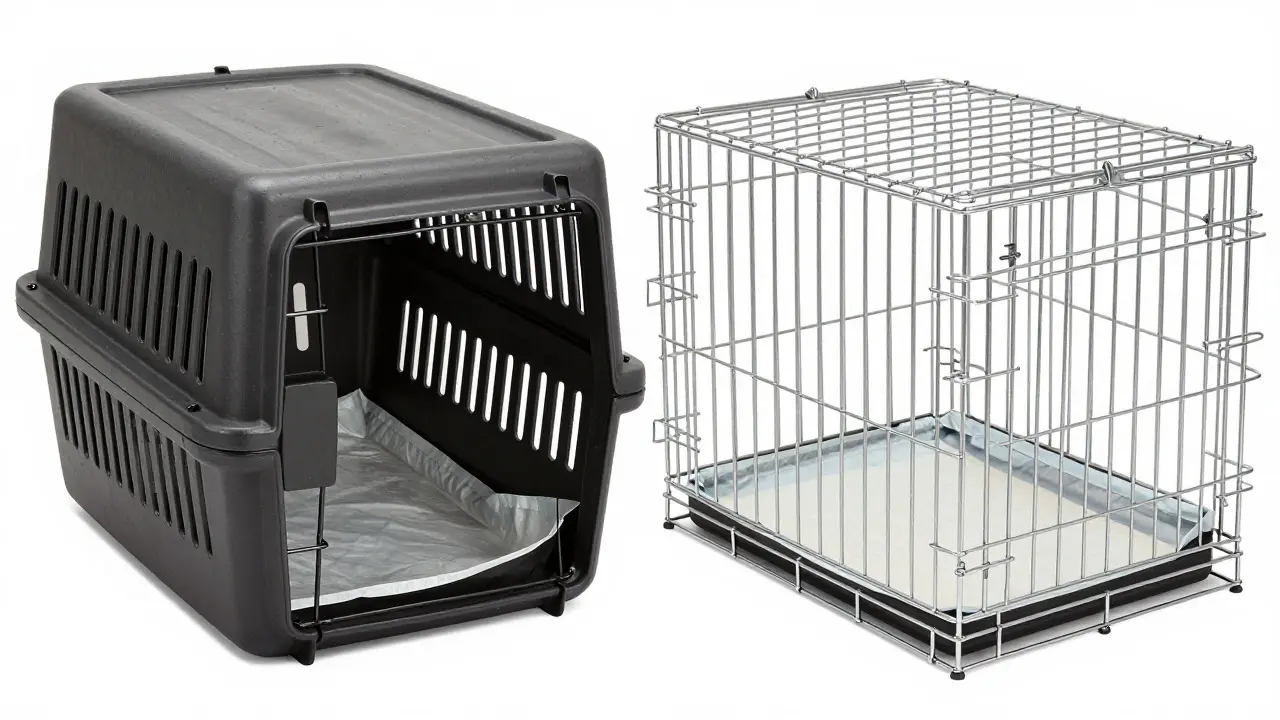
When shopping for a wire crate, you are prioritizing airflow and visibility. These are ideal for home use and short trips where ventilation is key. The metal bars allow air to circulate freely, which is crucial for preventing overheating. However, wire crates can be noisy when the door opens and closes, which might startle sensitive puppies.
On the other hand, plastic travel crates offer better insulation and privacy. They are sturdier against rough handling and prevent paws from getting caught in bars. For car travel, plastic crates are often preferred because they create a more enclosed, den-like atmosphere. Just ensure the plastic is BPA-free and sturdy enough to withstand accidental drops. Both types have merits, but for frequent travelers, the durability of plastic often outweighs the ventilation benefits of wire, provided you manage temperature carefully.
Setting Up for Maximum Comfort
A bare crate floor is hard on developing joints and cold in winter. You need to add layers, but not too many. Start with a waterproof liner to protect the crate from accidents. On top of that, place a soft, washable blanket or a memory foam mat. Avoid thick, fluffy rugs that can be chewed off and swallowed, which poses a choking hazard. The bedding should be thin enough that the puppy can see the bottom of the crate, maintaining their sense of orientation.
Lighting also plays a role. In a dark car, a puppy may feel anxious. Leaving the front door slightly ajar (if safe) or using a dim red light can help them adjust. If you are traveling at night, keep the cabin lights low but visible. Familiar scents are your best friend here. Place an old t-shirt with your smell inside the crate before the trip begins. This olfactory cue signals safety and reduces separation anxiety significantly.
Safety Protocols for Car Travel
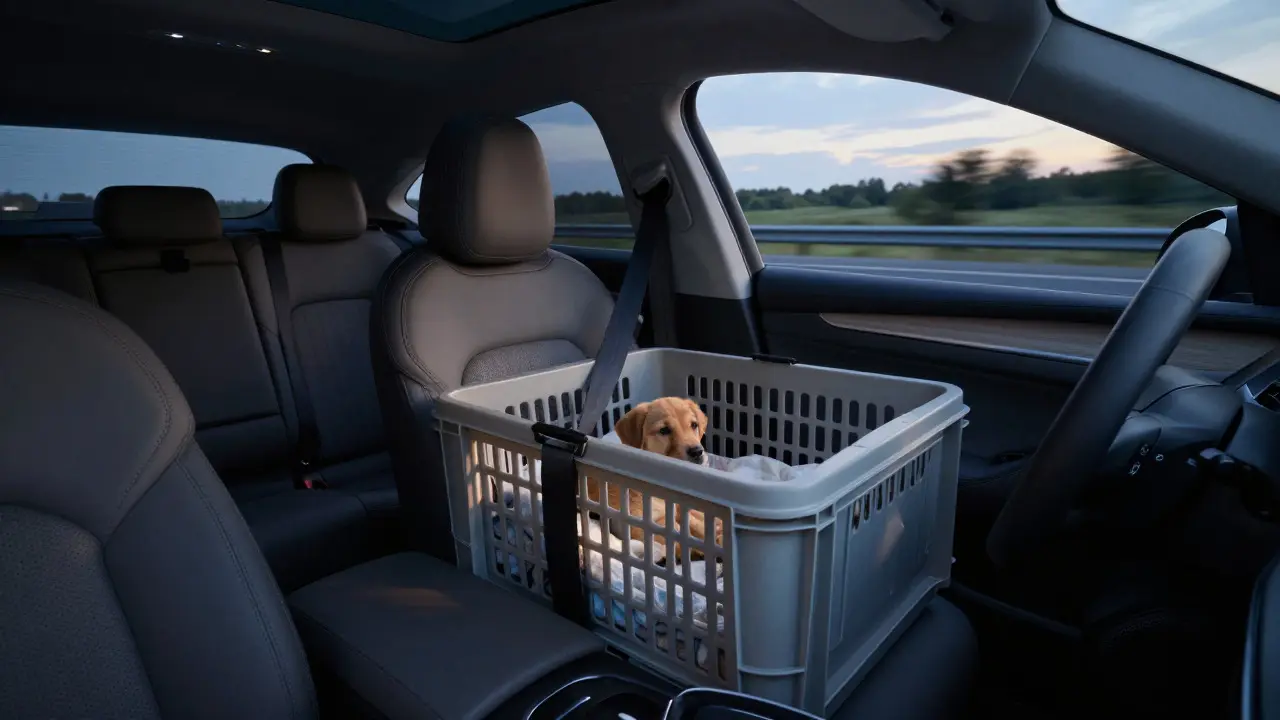
Never leave a puppy unattended in a parked car, even for five minutes. Temperatures can rise dangerously fast. During the drive, the crate must be secured. An unsecured crate becomes a projectile in a sudden stop. Use a seatbelt anchor strap designed for crates, or place the crate in the back seat behind the front passenger seat, buckled in with the vehicle's seatbelt. The goal is to minimize movement. If the crate slides forward, it can injure the puppy or block the driver's view.
Hydration is critical, but water bowls in a moving car spill easily. Instead of a bowl, use a spill-proof water dispenser attached to the crate wall, or simply offer water via a syringe or spoon every 30-45 minutes. Feeding a full meal right before travel is a bad idea; it increases the risk of motion sickness and accidents. Feed them a light snack at least two hours before departure.
Acclimation: The Key to Success
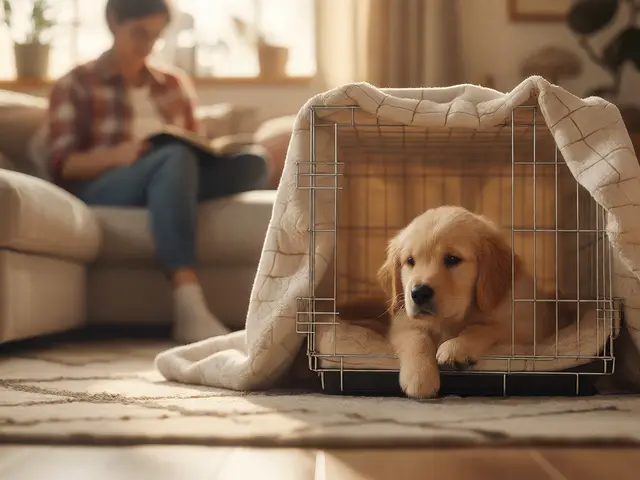
You cannot just throw a puppy in a crate and expect magic. Acclimation takes days, not hours. Start by placing the crate in the living room with the door open. Toss high-value treats inside. Let the puppy enter and exit freely. Once they are comfortable eating meals inside with the door open, close the door for short periods while you remain in the room. Gradually increase the time and distance from the puppy. This process builds positive associations. If the puppy cries, wait for a moment of silence before opening the door. Rewarding crying teaches them that noise equals freedom. Rewarding quiet reinforces calm behavior.
Common Mistakes to Avoid
- Buying too big: Leads to house training setbacks. Always use dividers for growing puppies.
- Neglecting ventilation: Ensure the crate has adequate airflow, especially in summer. Check the temperature inside before closing the door.
- Over-bundling: Thick blankets can overheat a puppy. Stick to lightweight, breathable fabrics.
- Ignoring motion sickness: Some puppies are prone to nausea. Consult your vet for anti-nausea medication if needed, but try natural remedies like ginger chews first.
- Leaving the crate unlocked: Always double-check the latch. Puppies are clever and can figure out how to open latches quickly.
Frequently Asked Questions
How do I measure my puppy for a crate?
Measure your puppy from the tip of their nose to the base of their tail. Then, measure their height from the floor to the top of their head. Add 2-3 inches to both measurements to determine the minimum internal dimensions of the crate. This ensures they can stand and turn around comfortably.
Is it okay to cover a puppy's crate during travel?
Yes, covering the crate with a breathable cloth can reduce visual stimuli and help the puppy relax. However, ensure the cover does not trap heat. Remove the cover immediately if the car gets warm or if the puppy seems distressed. Never use a heavy blanket that blocks all light and air.
What should I do if my puppy vomits in the crate?
Stay calm. Pull over safely, clean the mess with paper towels, and check the puppy for signs of distress. If vomiting continues, consult a veterinarian. Prevent this by feeding smaller meals earlier in the day and avoiding rich foods before travel. Anti-nausea supplements approved by vets can also help.
Can I use a carrier instead of a crate for small puppies?
For very small breeds under 10 pounds, a hard-sided carrier is often sufficient and easier to handle. It offers similar protection and containment. However, ensure the carrier is well-ventilated and large enough for the puppy to stand and turn around. Soft-sided carriers are less durable and harder to clean after accidents.
How long can a puppy stay in a crate during a road trip?
As a general rule, puppies should not be crated for more than their age in months plus one hour. For example, a 3-month-old puppy should not be crated for more than 4 hours continuously. Break longer trips with stops every 2-3 hours for bathroom breaks, water, and stretching. Monitor their behavior closely for signs of fatigue or stress.