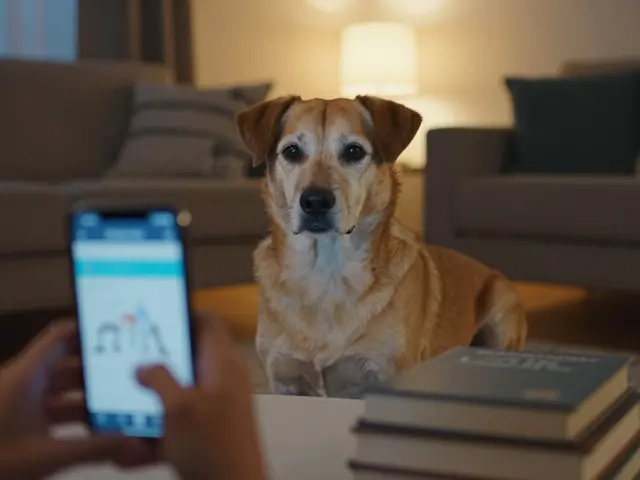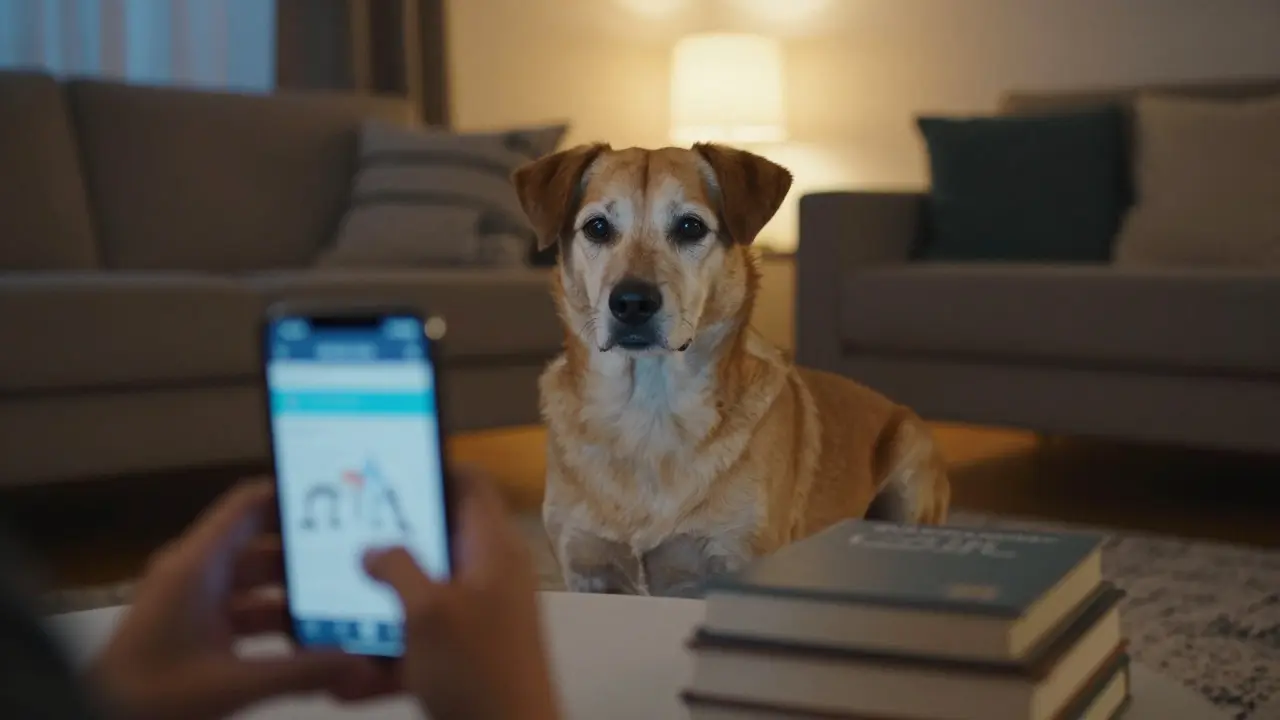
Your dog is drooling more than usual and refusing crunchy kibble. It’s 10 PM on a Tuesday, and the nearest emergency clinic is forty minutes away. Do you drive now, or wait until morning? This is exactly where remote dental consults is a virtual veterinary service allowing owners to assess pet oral health via video call with a licensed dentist or general practitioner. It bridges the gap between home observation and professional diagnosis without the stress of transport.
Telehealth isn't a replacement for surgery, but it is a powerful triage tool. Used correctly, it saves money, reduces anxiety for your pet, and ensures that when you do visit the clinic, the team knows exactly what to expect. Here is how to use it effectively and when you should skip the screen entirely.
What Counts as a Dental Emergency?
Before booking a video call, you need to know if the situation is urgent enough to warrant immediate action. Not every red gum line requires an ER visit. However, certain symptoms signal acute distress that shouldn't wait 24 hours.
- Floppy jaw (lower jaw fracture): If your dog's mouth hangs open and they can't close it, this is a structural emergency. Video helps confirm, but transport is needed immediately.
- Bleeding that won't stop: Minor bleeding after a bone chew is normal. Continuous bleeding for more than 15 minutes despite pressure is not.
- Swelling that blocks breathing: If the face looks asymmetric or breathing sounds like a whistle, go to the clinic. Airway compromise is life-threatening.
- Tooth visible in the wrong place: A baby tooth stuck next to an adult tooth (retained deciduous tooth) causes severe pain and misalignment. This needs extraction soon, but isn't usually a same-night emergency unless infection spreads.
If none of these apply, a remote consult is often the smarter first step. You can describe the symptoms, show the area, and get a tailored plan within minutes.
The Virtual Exam: What to Prepare
A good remote dental consult relies heavily on your ability to capture clear visual data. Vets cannot touch or smell the mouth, so lighting and angle are everything. Before you hit "start call," set up your phone or laptop according to these guidelines:
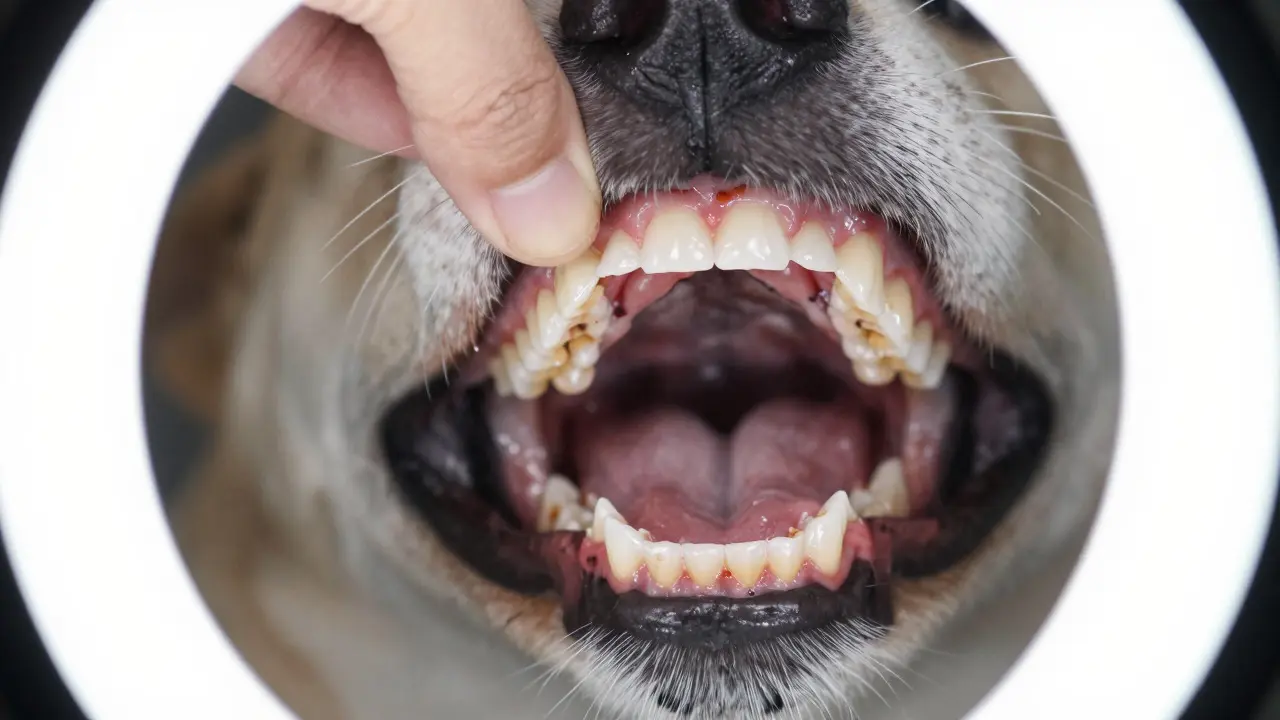
- Lighting: Use a flashlight or ring light. Shadows hide plaque buildup and gum inflammation. The light should shine directly into the mouth, not from above.
- Angle: Hold the camera at eye level with the dog's mouth. Avoid looking down from above; it distorts the length of the teeth.
- Stability: Prop your device against a book or wall. Shaky footage makes it hard to spot subtle gum recession.
- Capture all quadrants: Have photos ready of the upper left, upper right, lower left, and lower right sides. Include the back molars, which are hardest to see.
During the call, be ready to gently lift the lips. Most dogs tolerate this better if you approach from the side rather than the front. If your dog resists, don't force it. Tell the vet. Stress-induced gagging can look like nausea, leading to a misdiagnosis.
Common Issues Diagnosed Remotely
While complex cases require X-rays, many common dental problems are highly visible to the naked eye. A veterinarian can confidently identify several conditions through video:
| Condition | Remote Visibility | In-Person Requirement |
|---|---|---|
| Gingivitis (red gums) | High - Color changes are obvious | Only if surgery is planned |
| Plaque/Tartar buildup | Medium - Yellow/brown deposits visible | For scaling and polishing |
| Broken Tooth | High - Fracture lines often visible | For root canal or extraction |
| Oral Masses (Tumors) | Medium - Lumps visible, texture unknown | Biopsy required for diagnosis |
| Periodontal Pocket Depth | Low - Requires probe measurement | Always in-person |
| Root Infection | Low - Internal damage invisible | X-ray essential |
Notice the pattern: surface-level issues are easy to spot remotely. Structural and internal issues are not. This distinction is critical for setting expectations. If the vet sees a broken molar, they will likely recommend an X-ray before deciding between a root canal and extraction. You won't get that answer over video alone.
When to Skip the Screen and Go In-Person
There are scenarios where telehealth adds delay rather than value. If your dog has any of the following, book a physical appointment immediately:
- Pain behavior: Pawing at the mouth, head tilting, or reluctance to eat soft food suggests significant pain that needs management before any exam.
- Bad breath (halitosis): While mild odor is common, foul-smelling breath often indicates necrotic tissue or advanced periodontal disease. This requires probing and cleaning.
- Age-related decline: Senior dogs often have hidden dental decay under tartar. A quick video check might miss underlying bone loss that affects kidney function.
- New medication interactions: If you're considering adding antibiotics or pain relievers, a vet needs to review your dog's full medical history, which is harder to verify remotely.
Think of remote consults as the "front desk" of dental care. They sort out the minor stuff and prepare the ground for major interventions. They don't replace the "workshop."
Cost and Coverage Considerations
One of the biggest misconceptions is that telehealth is always cheaper. While a 15-minute video call might cost $30-$50, compare that to a standard office visit fee of $80-$120. If the remote vet determines you need an X-ray, you'll pay the consult fee plus the exam fee. That can be more expensive than just going in initially.
However, insurance coverage varies. Many pet insurance plans now cover telehealth visits for triage, but rarely for follow-ups. Check your policy documents. Look for terms like "virtual examination" or "telemedicine consultation." If your plan excludes it, weigh the savings against the convenience. For a simple question about toothbrushing technique, the free advice from a social media group might suffice. For a persistent bad breath issue, the paid consult is worth the investment.
How to Follow Up After a Remote Visit
The value of a remote consult ends when the call does, unless you act on the advice. Here is a practical workflow to maximize the outcome:
- Get written notes: Ask the vet to send a summary via email or app message. Verbal instructions are easy to forget. Written records help if you switch providers later.
- Track symptoms: Take daily photos of the affected area for three days. Show progress or regression to the vet during follow-up.
- Prepare for the in-person visit: If the recommendation is an exam, bring your own dental tools. Some clinics charge extra for supplies. Having a pre-brushed mouth (if tolerated) can save time and reduce sedation risks.
- Ask about prevention: Use the remote visit to discuss long-term strategies. Can you switch to dental chews? Is water additive appropriate? These low-cost interventions prevent future emergencies.
Remote dental care is a tool, not a cure. It works best when integrated into a broader maintenance routine. By using it for triage and education, you keep your dog comfortable and your vet bills predictable.
Can a vet prescribe medication during a remote dental consult?
Yes, but it depends on state regulations. In most US states, including Oregon, veterinarians can prescribe common medications like antibiotics or pain relievers after a video exam. However, controlled substances may have stricter rules. Always ask the vet if the prescription will be sent electronically to your local pharmacy.
Is remote dental care safe for anxious dogs?
Generally, yes. Anxious dogs often behave better at home than in a clinical setting. The familiar environment reduces stress hormones, which can make it easier for the vet to assess true gum color and swelling. Just ensure the dog is calm enough to hold still for a few seconds per photo.
How often should I schedule a remote dental check-up?
There is no fixed schedule for remote checks. Use them reactively when you notice changes like bad breath, drooling, or eating difficulties. For healthy dogs with good home hygiene, an annual in-person exam is sufficient. For seniors or breeds prone to dental issues, consider a remote check every six months to monitor progression between cleanings.
What if the remote vet says nothing is wrong but my dog still seems uncomfortable?
Trust your gut. If the video exam shows no visible issues but your dog continues to paw at their mouth or eat slowly, request an in-person exam. Hidden root fractures or early periodontal pockets aren't visible on camera. Persistent discomfort is a sign that deeper investigation is needed.
Do remote consults count toward my annual wellness visit?
Usually, no. Most veterinary practices treat remote consults as separate services. However, some premium wellness plans include two free virtual visits per year. Check with your specific provider. Even if it doesn't count, the diagnostic value can prevent unnecessary emergency fees later.