Quick Takeaways: The Essentials
- A retained placenta happens when the afterbirth isn't expelled after all puppies are born.
- Watch for high fever, foul-smelling discharge, and extreme lethargy.
- Never try to manually remove a placenta yourself; you risk causing fatal uterine infections.
- Immediate veterinary intervention is required if the dam shows signs of systemic illness.
What Exactly is a Retained Placenta?
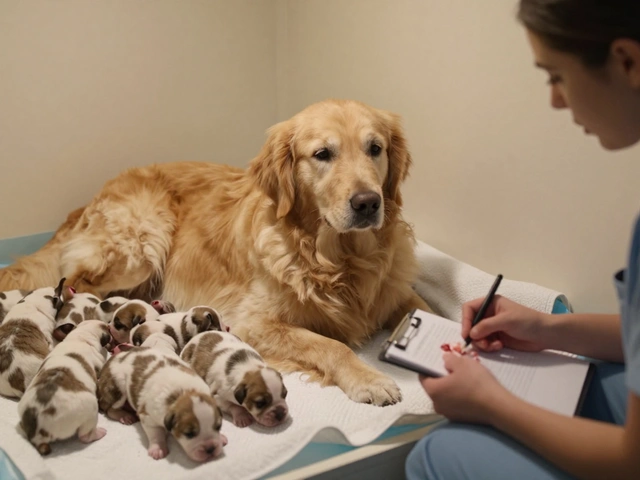
When a dog gives birth, each puppy is wrapped in its own placenta. Ideally, the dam expels these either during the birth of the puppy or shortly after. However, sometimes the tissue stays stuck to the uterine wall. Retained Placenta is a condition where placental tissue remains in the uterus after the completion of whelping.
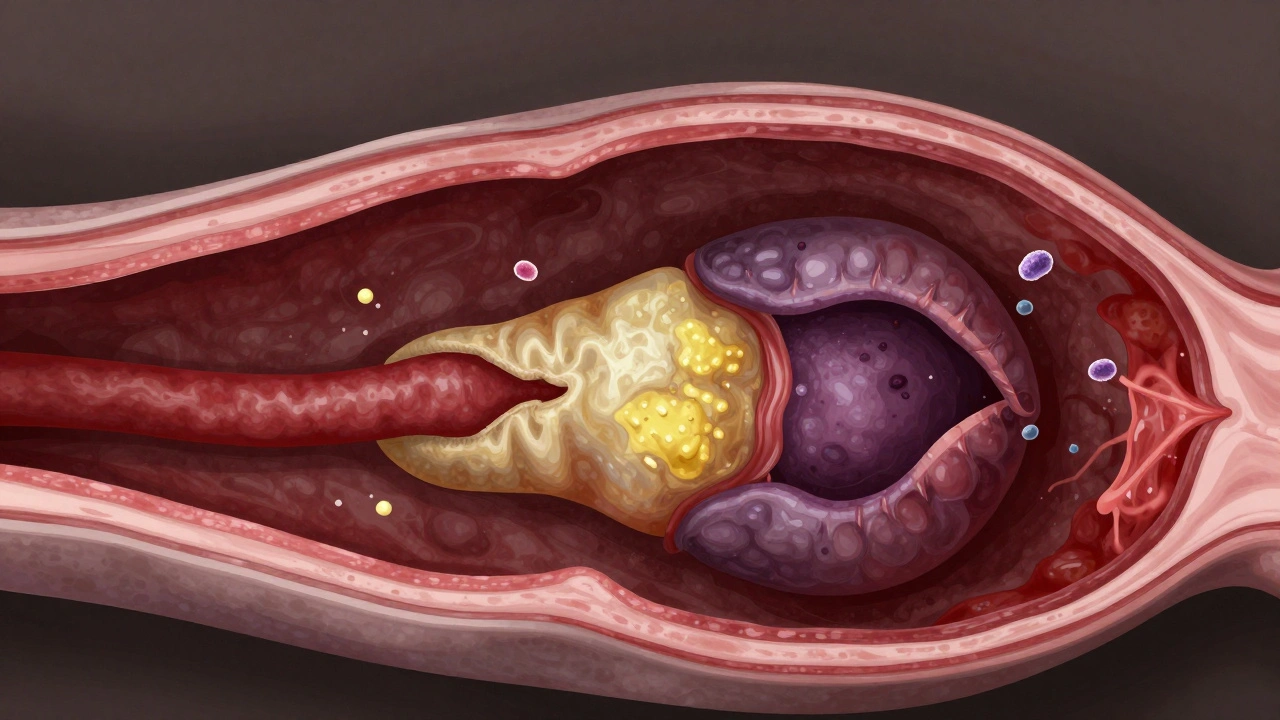
This isn't just a bit of leftover tissue. Because the placenta is organic matter, it begins to decompose rapidly inside the warm, moist environment of the uterus. This creates a breeding ground for bacteria, which can lead to Metritis is a severe inflammation or infection of the uterine lining . If these bacteria enter the bloodstream, the dog can develop septicemia, which is often fatal if not treated with aggressive antibiotics and fluid therapy.
Spotting the Red Flags: When to Worry
Not every single missing placenta is an emergency, but you need to be vigilant. Some dogs eat their placentas-which is natural-so you might simply have lost count. However, the body's reaction to retained tissue is unmistakable. You aren't looking for a missing piece of tissue; you're looking for a sick dog.
Keep a close eye on these specific symptoms:
- Temperature Spikes: A normal dog's temperature is around 101-102.5°F. If you see a spike above 103.5°F or a sudden drop below 99°F, the dam is in trouble.
- The Smell: Normal postpartum discharge (lochia) has a mild scent. A retained placenta often produces a pungent, rotting smell that you can notice from across the room.
- Behavioral Shifts: If the dam suddenly stops nursing, refuses to eat, or becomes excessively lethargic (beyond just being tired from labor), something is wrong.
- Discharge Color: While some blood is normal, a thick, greenish-black or pus-like discharge is a major warning sign.
| Symptom | Normal Recovery | Retained Placenta Warning |
|---|---|---|
| Temperature | Stable (101-102.5°F) | High Fever or Hypothermia |
| Discharge | Bloody/Clear, mild scent | Foul-smelling, purulent (pus) |
| Appetite | Hungry and thirsty | Anorexia (refusal to eat) |
| Interaction | Attentive to puppies | Depressed, shaking, or agitated |
The Hidden Danger: Pyometra and Toxemia
If the tissue remains, the risk doesn't stop at a simple infection. The condition can evolve into Pyometra is a serious uterine infection where the uterus fills with pus . While pyometra is often associated with the heat cycle, a retained placenta can trigger an acute version of this condition.
Even more dangerous is toxemia. As the retained tissue breaks down, toxins are released into the bloodstream. This can lead to systemic organ failure. You'll notice the dog's gums turning a pale or grayish color, and their breathing may become shallow and rapid. At this stage, the dam is in shock, and every minute counts.
What to Do (And What Not to Do)
The most critical rule in this situation is: Do not attempt to reach into the uterus to pull out the placenta. I cannot stress this enough. The uterus is extremely fragile after labor. You risk tearing the uterine wall or pushing bacteria deeper into the abdominal cavity, which could cause peritonitis-an inflammation of the lining of the abdomen that is incredibly difficult to treat.
If you suspect a retained placenta, follow these steps:
- Stop the guesswork: Call your vet immediately. If it's after hours, head to an emergency clinic.
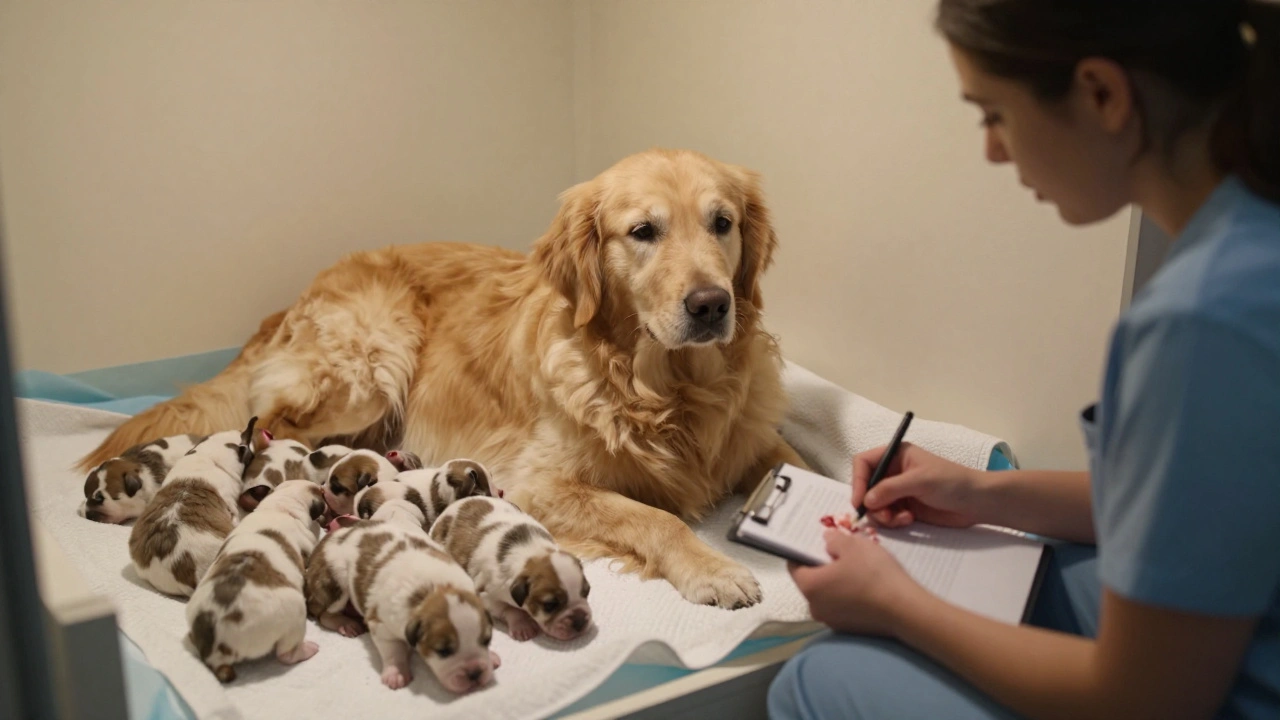
- Gather data: Have a list of how many puppies were born and how many placentas you saw. Check the dam's temperature with a rectal thermometer.
- Isolate the puppies: If the dam is very sick, she may neglect the puppies or even become aggressive. Be prepared to tube-feed the puppies while the dam is being treated.
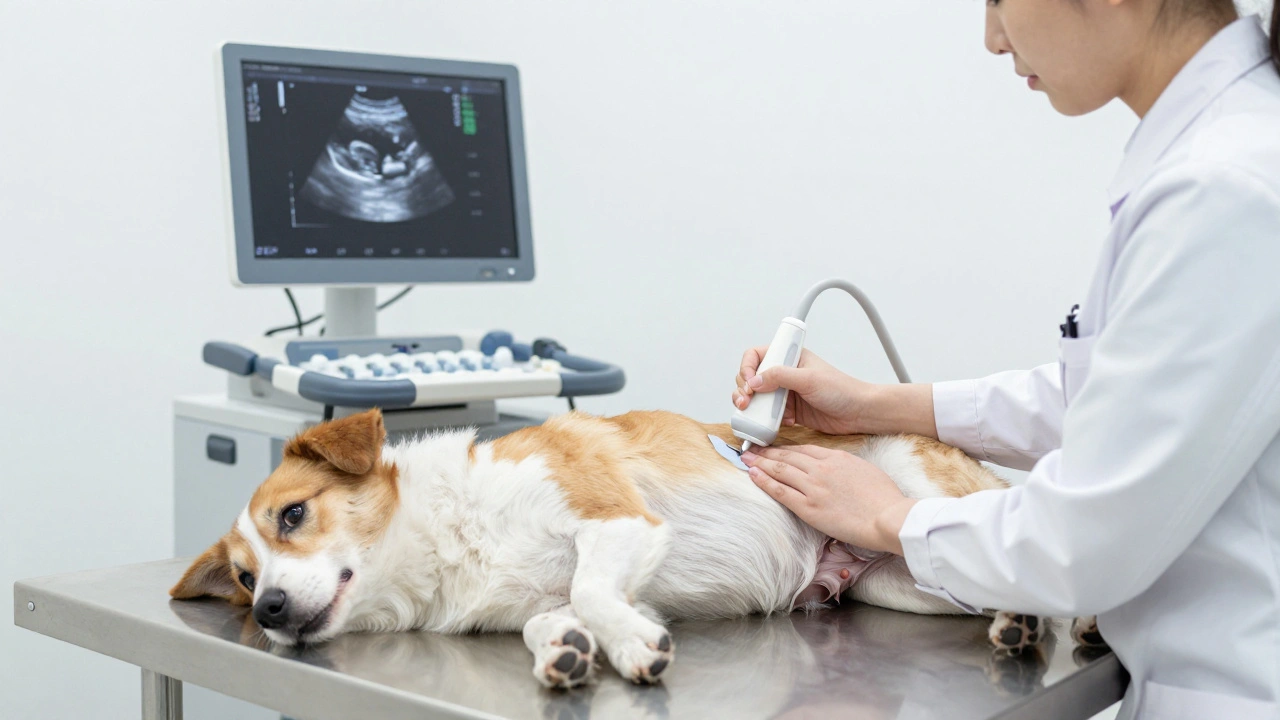
- Prepare for diagnostics: The vet will likely use Ultrasonography is an imaging technique using high-frequency sound waves to visualize internal organs to see if fluid or tissue remains in the uterus.
Medical Interventions and Treatments
Depending on the severity, your vet will choose one of several paths. If the dog is stable but has retained tissue, they might use oxytocin to stimulate uterine contractions, but this is only done if the cervix is open and the dog isn't exhausted.
In more severe cases, the only solution is an emergency Hysterectomy is the surgical removal of the uterus . This is a heavy decision for a breeder, as it ends the dog's ability to have future litters, but it is often the only way to save the dog's life when the infection is systemic.
Medical management usually includes:
- Broad-spectrum antibiotics: To fight the uterine infection and prevent sepsis.
- IV Fluids: To flush toxins from the kidneys and keep the dog hydrated.
- Anti-inflammatory meds: To reduce the swelling of the uterine lining.

Preventing Future Complications
While some retained placentas are purely accidental, others are linked to health issues. For example, Calcium Hypocalcemia, often called eclampsia, can cause the uterine muscles to stop contracting efficiently, leaving tissue behind. Ensuring your dam has the right mineral balance before and during whelping is key.
Working with a vet to get a pre-breeding health screening-checking the uterus and ovaries-can help identify if the dog has a history of uterine issues. Additionally, keeping the whelping area sterile reduces the risk of bacteria entering the birth canal and infecting any tissue that might be slow to pass.
Is it normal for a dog to miss one placenta?
It happens occasionally, and if the dog is acting completely normal-eating, drinking, and nursing-a single missing placenta might not be an emergency. However, you must monitor her temperature and discharge closely for the next 7 to 14 days. If any signs of fever or foul odor appear, see a vet immediately.
Can I give oxytocin at home to help pass the placenta?
No. Oxytocin is a powerful hormone that can cause uterine rupture if the cervix is closed or if there is an obstruction. It should only be administered by a licensed veterinarian after a physical exam.
How long does it take for a retained placenta to become dangerous?
Infection can set in very quickly. Some dogs show signs of sepsis within 12 to 24 hours after whelping. The decomposition of organic tissue in the uterus happens fast, meaning a dog can go from healthy to critical in a single day.
Will a retained placenta affect the puppies?
The retained placenta doesn't directly hurt the puppies, but the resulting infection in the dam does. If the dam develops a high fever or sepsis, her milk production may drop or the milk could become contaminated with toxins, requiring the puppies to be bottle-fed.
What is the recovery time after a surgical removal of a retained placenta?
Recovery from an emergency hysterectomy usually takes 10 to 14 days for the incision to heal. The dog will need strict activity restriction and pain management. Most dogs bounce back well, provided the infection was caught before it became systemic.
Next Steps for Breeders
If you are currently in the middle of a whelping process and realize a placenta is missing, don't panic, but don't wait. Check the dam's gums-if they are pale, go to the vet now. If she's nursing happily and her temperature is normal, set a timer to check her temperature every 6 hours for the next three days.
For those planning future litters, consider a "whelping kit" that includes a digital rectal thermometer and a record sheet to track every puppy and placenta in real-time. This removes the guesswork and allows you to provide your vet with a precise count if an emergency arises.