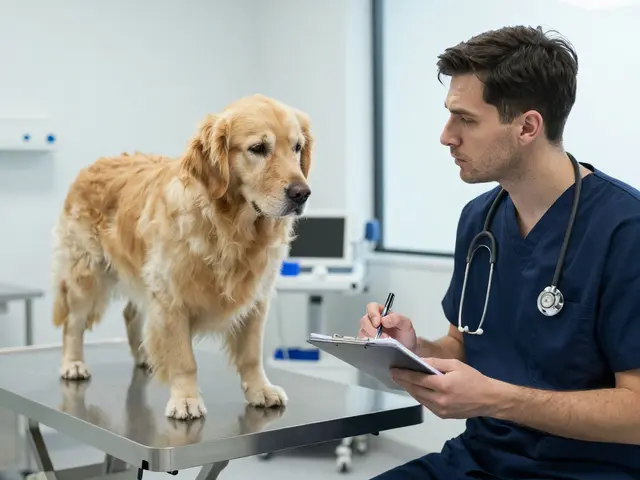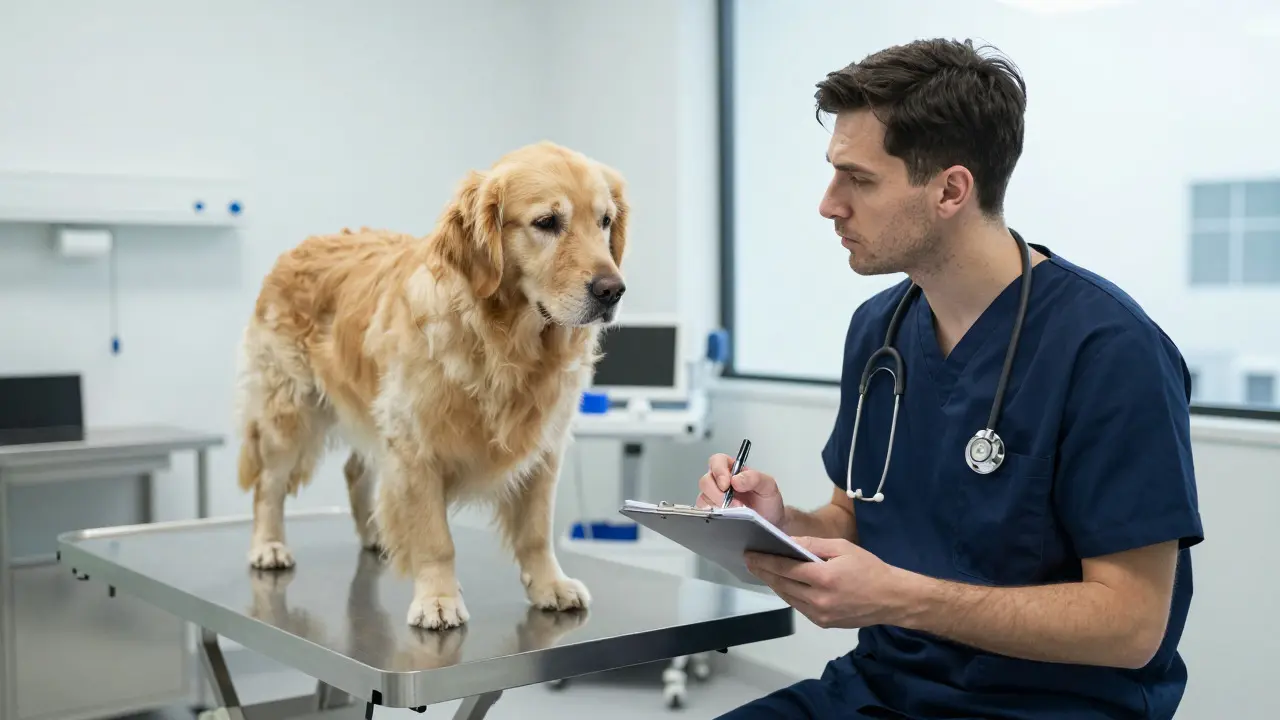
Walking into the exam room with a heavy sigh because your once-slim pup has turned into a fluffy loaf is stressful. You know Dog Weight Management is a structured approach to reducing and maintaining a healthy body condition in canines through diet and exercise. But standing there, waiting for the doctor to come in, you might feel unprepared. How do you explain that your dog is eating less but still gaining? How do you ask for help without feeling judged? This guide gives you the exact words, data points, and questions to make that conversation productive, efficient, and kind to both of you.
Why Preparation Beats Panic Every Time
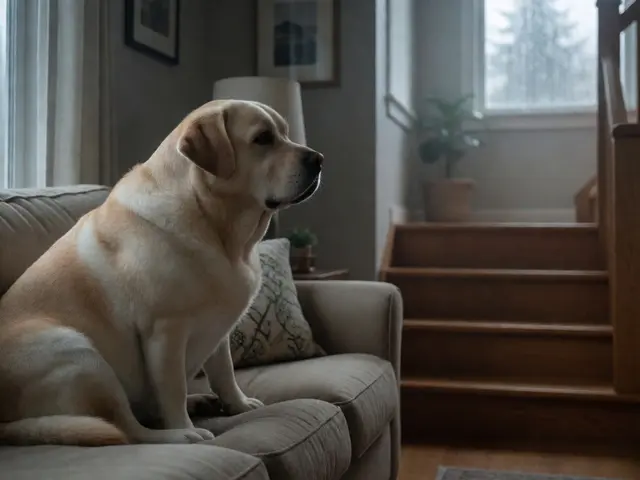
Vets are busy. They often have fifteen minutes per patient. If you walk in with vague complaints like "he's getting fat," they might give you generic advice. To get a tailored plan, you need to bring evidence. Before your appointment, spend three days tracking your dog’s behavior and intake. Note down exactly what they eat, including treats. Count the calories if you can find them on the label. Watch their energy levels during walks. Do they pant after five minutes? Do they struggle to climb stairs? These observations transform a subjective feeling into objective data. When you tell your vet, "He stopped playing fetch after two throws last week," it signals a specific decline in mobility that requires immediate attention.
The Body Condition Score: Your Objective Metric
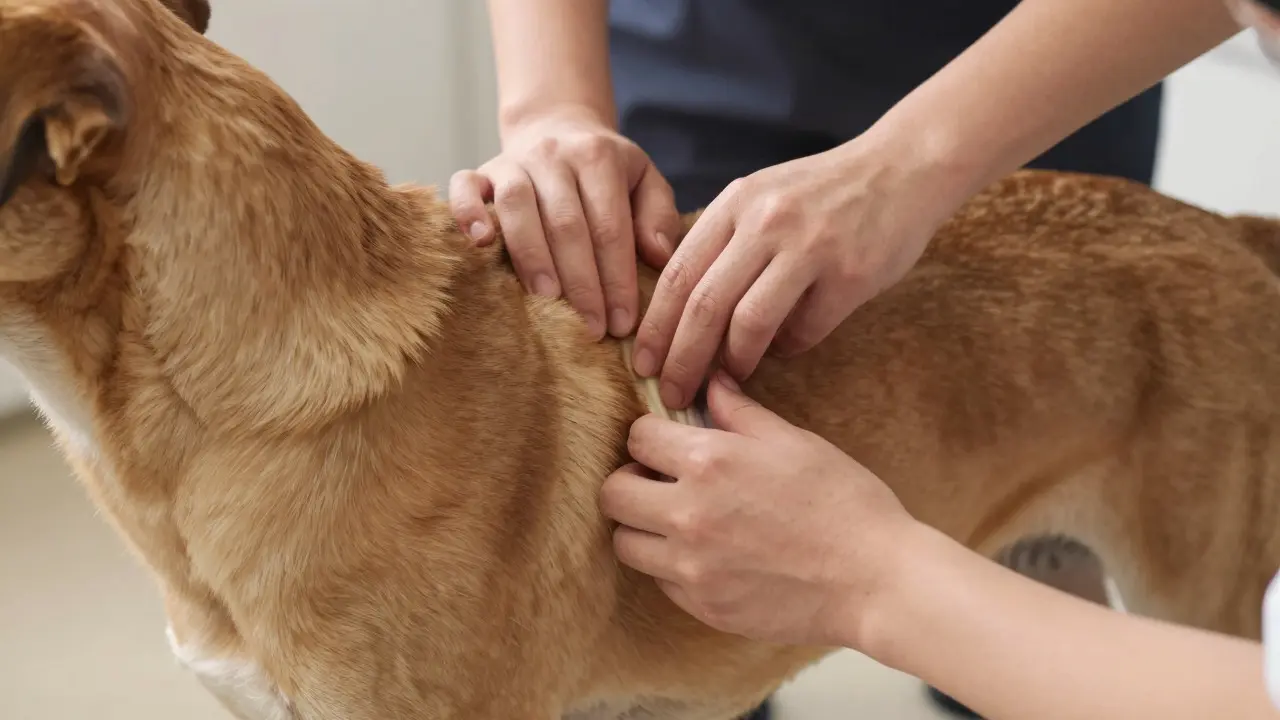
Stop relying on how your dog looks in photos. Instead, learn the Body Condition Score (BCS) is a standardized 9-point scale used by veterinarians to assess whether an animal is underweight, ideal, or overweight. Most veterinary clinics use this system. A score of 5 out of 9 is ideal. A score of 7 or higher indicates obesity. Before the visit, try to assign a number to your dog. Feel along their ribs. If you cannot feel them without pressing hard, they are likely over a 6. Check their waist from above. There should be a visible tuck-up behind the ribs. If their belly hangs low, that is a clear sign of excess fat. Bringing this self-assessment to the vet shows initiative and helps them confirm or adjust their own assessment quickly.
What to Bring: The Data Pack
Do not just show up empty-handed. Prepare a simple document or notes on your phone. Include the following:
- Current Diet: List every food item, brand, and amount given daily. Include hidden calories like cheese cubes or table scraps.
- Treat Log: Track treats for at least three days. Many owners underestimate treat volume significantly.
- Exercise Routine: Note duration and intensity. Is it a slow stroll or a vigorous run?
- Weight History: If you have old weigh-ins from previous checkups, write them down. A trend line is more useful than a single number.
- Behavioral Changes: Note any lethargy, joint stiffness, or changes in appetite.
Key Questions to Ask During the Visit
Once the vet has examined your dog, take control of the conversation with specific questions. Avoid open-ended queries like "What should I do?" Instead, ask targeted questions that force concrete answers.
- "What is his target weight based on his breed and age?" This sets a clear goal. For example, a Golden Retriever male typically weighs between 65 and 75 pounds. Knowing the exact number helps you measure progress.
- "What percentage of his current caloric intake should we reduce?" Never guess portion sizes. Ask for a specific calorie count per day. This removes ambiguity.
- "Are there any underlying medical issues contributing to weight gain?" Conditions like hypothyroidism or Cushing's disease can cause weight gain despite normal eating habits. Rule these out first.
- "What type of exercise is safe for his current joints?" Heavy dogs often have early arthritis. High-impact running might hurt them. Swimming or short, frequent walks might be better.
- "How often should we reweigh him?" Establish a schedule. Weekly weights for the first month, then bi-weekly, then monthly. Consistency matters.
Navigating Treats and Feeding Habits
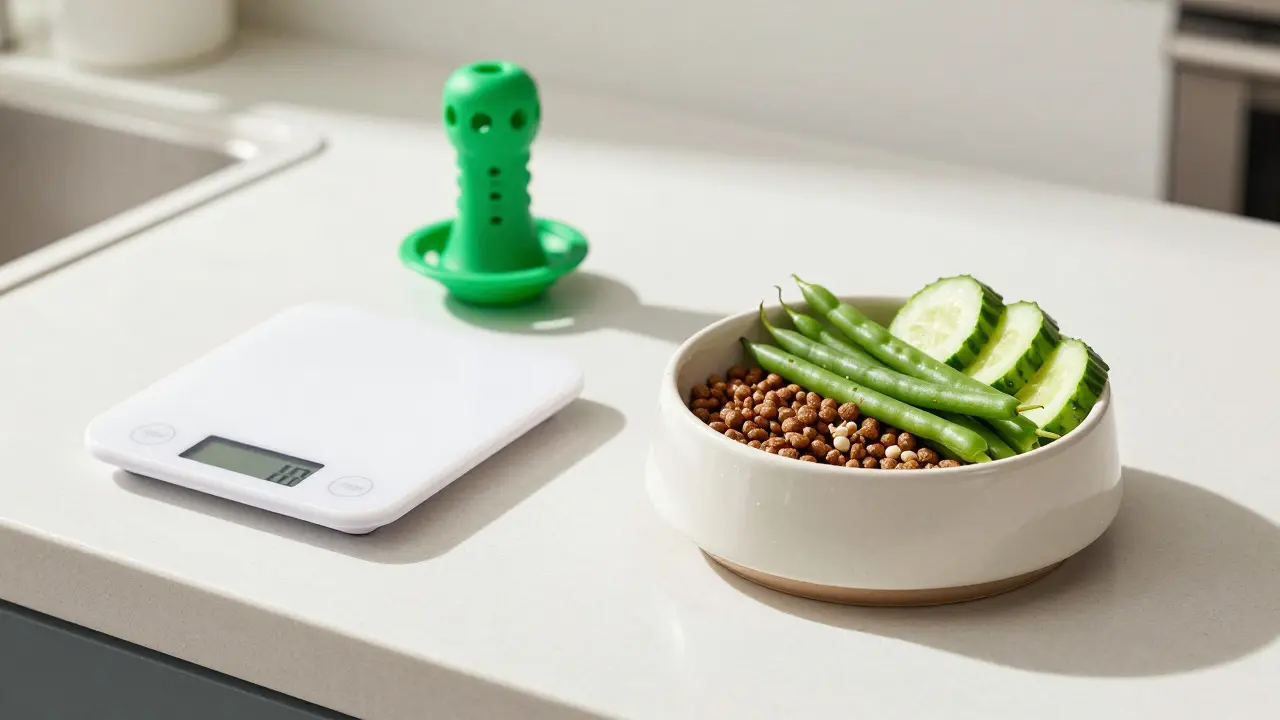
One of the biggest hurdles in dog weight loss is the human tendency to over-treat. Vets know this. Be honest about it. Tell them, "We give him one piece of chicken breast every evening." That sounds small, but if the chicken is fatty, it adds up. Ask the vet to calculate the caloric impact of your current treat routine. Often, switching to low-calorie vegetables like green beans or cucumber slices can save hundreds of calories a day without making the dog feel deprived. Discuss meal timing too. Some dogs do better with two measured meals rather than free-feeding. Free-feeding makes it impossible to track intake accurately. Ask if transitioning to scheduled meals would help your specific dog.
Setting Realistic Expectations and Tracking Progress
Weight loss in dogs is slow. Aim for a loss of 1% to 2% of body weight per week. Faster than that risks muscle loss and metabolic slowdown. Agree on a review date with your vet. Usually, four weeks is a good checkpoint. At that review, bring your weight log. Show them the trend. If the weight hasn't dropped, ask what needs adjustment. Maybe the portion size is still too big. Maybe the exercise isn't intense enough. Don't wait six months to see results. Regular feedback loops keep the plan on track. Also, discuss what happens when he reaches his target weight. Maintenance is different from loss. He will need fewer calories to stay at the new weight than he did to lose it. Ask for a maintenance plan before you finish the weight loss phase.
Common Pitfalls to Avoid
Many owners sabotage their dog's weight loss without realizing it. One major mistake is forgetting that other pets in the house might steal food. Ensure bowls are separated or fed individually. Another pitfall is assuming that "natural" foods are always healthier. Raw meat diets can be high in fat if not balanced correctly. Always consult your vet before switching to raw or homemade diets for weight loss. Finally, don't ignore dental health. Poor teeth can make chewing difficult, leading to slower eating and potential nutrient absorption issues. Mention any dental concerns during your visit so they can be addressed simultaneously.
When to Seek Specialized Help
If your dog resists all standard dietary changes, consider seeing a veterinary nutritionist. These specialists focus exclusively on diet and metabolism. They can create complex feeding plans for dogs with multiple comorbidities. Similarly, if your dog has significant joint pain, a physical therapist or rehabilitation specialist can design a safe exercise program. Water therapy, for instance, allows dogs to exercise without putting stress on their hips and knees. Asking your primary vet for referrals to these specialists shows that you are willing to go the extra mile for your dog's long-term health.
How much weight should my dog lose per week?
Aim for a weight loss of 1% to 2% of their total body weight each week. Losing weight faster than this can lead to muscle loss and nutritional deficiencies. For a 50-pound dog, this means losing roughly half a pound to one pound per week.
Should I switch to prescription diet food immediately?
Not necessarily. Prescription diets are useful for dogs with specific medical conditions or those who struggle with hunger cues. However, simply reducing the portion size of their current high-quality food is often effective and less expensive. Ask your vet which approach fits your dog's specific needs and budget.
How do I stop my dog from begging for food?
Use puzzle feeders or slow-feed bowls to make eating take longer and provide mental stimulation. Replace some meals with low-calorie vegetable snacks. Consistency is key; if the whole household follows the same rules, the dog will adapt within a few weeks.
Can senior dogs lose weight safely?
Yes, but they require careful monitoring. Senior dogs have slower metabolisms and may have underlying kidney or heart issues. Work closely with your vet to ensure the diet provides adequate protein to maintain muscle mass while reducing fat. Gentle exercises like swimming are often best for older dogs.
What if my dog doesn't seem hungry on the reduced diet?
This is actually a positive sign that the portion reduction is working. However, if they refuse to eat entirely for more than two days, contact your vet. In some cases, adding warm water to kibble can enhance the smell and encourage eating. Always rule out dental pain or nausea if appetite drops suddenly.