
Watching your dog drink from the water bowl every twenty minutes is not just a habit; it is often the first red flag for Canine Diabetes is a chronic metabolic condition where the pancreas fails to produce enough insulin or the body becomes resistant to its effects. This disease affects approximately 1% of dogs, with middle-aged females being particularly vulnerable. If left unchecked, high blood sugar levels can lead to severe complications like cataracts and kidney failure. Understanding the early signals and the mechanics of treatment is crucial for keeping your pet stable and comfortable.
Recognizing the Early Warning Signs
The symptoms of canine diabetes are subtle at first but become undeniable as blood glucose levels rise. The most common triad of symptoms includes polydipsia (excessive thirst), polyuria (frequent urination), and weight loss despite a normal or increased appetite. You might notice your dog’s coat becoming dull and dry, or their skin developing sores that heal slowly. These physical changes happen because the body cannot use glucose for energy, so it starts breaking down fat and muscle instead.
- Excessive Thirst: Your dog may drink twice or three times their normal water intake.
- Frequent Urination: Accidents in the house become more common, especially if they were previously house-trained.
- Increased Hunger: They eat more but still lose weight.
- Lethargy: A noticeable drop in energy levels during walks or playtime.
- Vision Changes: Cloudiness in the eyes due to developing cataracts.
If you see these behaviors cluster together, do not wait. Schedule a vet visit immediately. Early detection significantly improves the prognosis and quality of life for your dog.
How Vets Diagnose Diabetes Mellitus
Diagnosis is not based on symptoms alone. A veterinarian will perform a series of tests to confirm the presence of Diabetes Mellitus is the specific type of diabetes characterized by hyperglycemia and glycosuria. The standard protocol involves a complete blood count (CBC) and a chemistry panel to check baseline organ function. However, the definitive test is a fasting blood glucose measurement. Normal canine blood glucose ranges between 70 and 120 mg/dL. Consistently elevated levels above 200 mg/dL, combined with glucose in the urine, strongly indicate diabetes.
Veterinarians also look for concurrent conditions. For example, acromegaly (overproduction of growth hormone) or Cushing’s disease can mimic or worsen diabetic symptoms. An ultrasound of the abdomen helps rule out pancreatic tumors or other structural issues. It is vital to distinguish between Type 1 diabetes (insulin-dependent, which accounts for 98% of cases in dogs) and stress-induced hyperglycemia, which can occur temporarily during a stressful exam.
Understanding Insulin Therapy Fundamentals
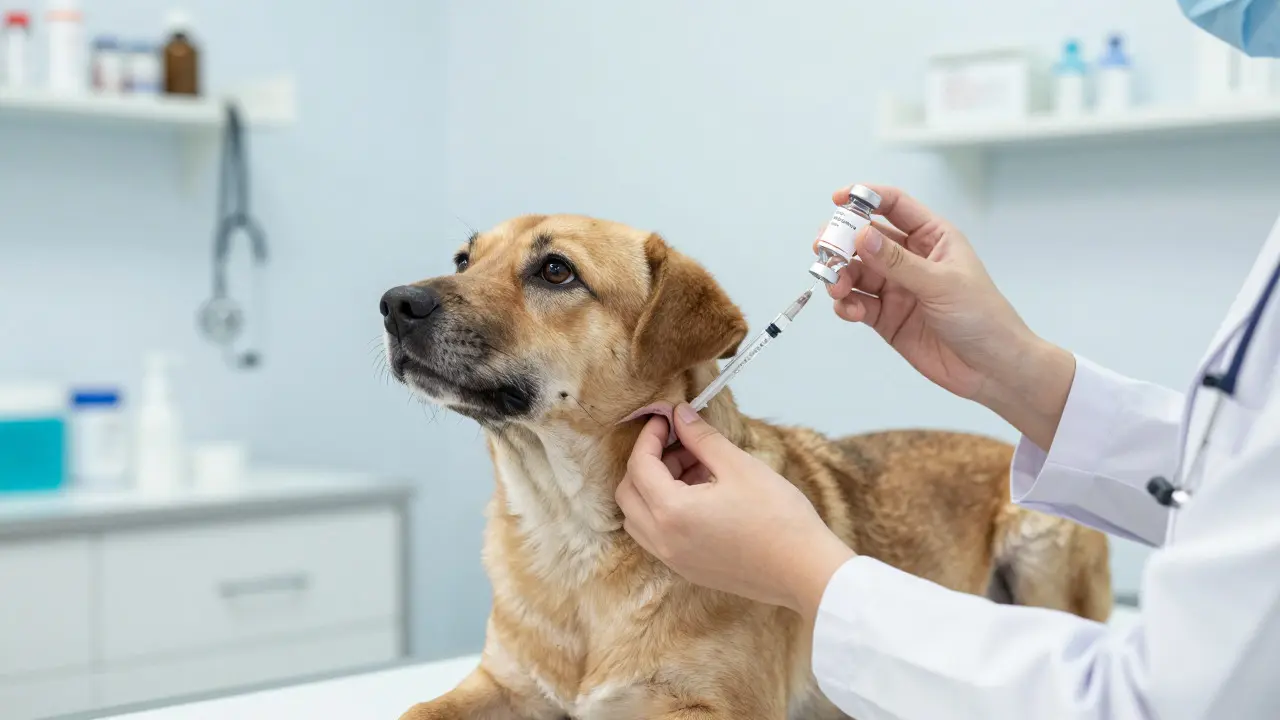
Once diagnosed, the primary treatment is Insulin is a hormone medication injected subcutaneously to regulate blood sugar levels. In dogs, we typically use intermediate-acting insulins such as NPH (Neutral Protamine Hagedorn) or glargine. Unlike humans, dogs rarely require rapid-acting analogs for daily management. The goal is not to achieve perfect human-like blood sugar numbers but to keep the dog within a safe range that prevents symptoms and allows for normal eating and drinking.
Insulin works by allowing cells to absorb glucose from the bloodstream. Without it, glucose stays in the blood, causing osmotic diuresis (excessive urination). The dosage is usually calculated based on the dog’s weight, starting low and adjusting upward over several weeks. This process, known as titration, requires careful monitoring. Owners must learn how to handle the syringe and administer the injection into the loose skin folds of the back or neck. With practice, this becomes a routine part of your morning or evening care.
Dietary Management and Lifestyle Adjustments
Medication alone does not cure diabetes; diet plays an equally critical role. A consistent feeding schedule is non-negotiable. Most veterinarians recommend two meals a day, spaced evenly apart, to match the peak action time of the insulin. Sudden changes in food brand or type can cause erratic blood sugar spikes or drops. High-fiber diets are often prescribed because fiber slows down carbohydrate absorption, preventing sharp glucose peaks after meals.
Exercise is beneficial but must be kept consistent. Intense, unpredictable bursts of activity can lower blood sugar too much, leading to hypoglycemia. Stick to regular, moderate walks. Avoid giving treats that contain hidden sugars or starches. Even small amounts of kibble or table scraps can disrupt the delicate balance you are trying to maintain. Keep a log of what your dog eats, when they get their insulin, and any behavioral changes. This data is gold for your vet during follow-up appointments.
Monitoring Blood Sugar Levels at Home
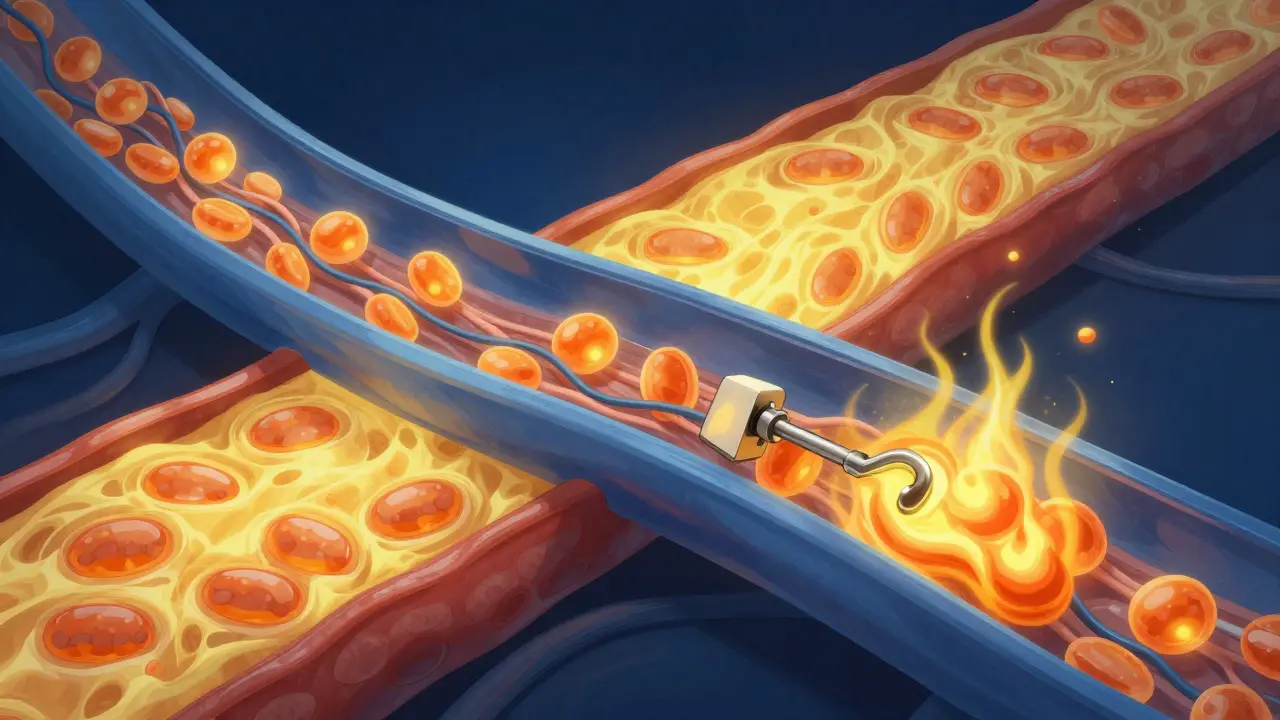
While vets monitor blood glucose via venipuncture, home monitoring using a glucometer provides real-time feedback. Many owners find this empowering because it removes the guesswork. You can test your dog’s capillary blood (from the ear tip or gum line) before meals or at specific intervals. A target range is generally considered to be between 100 and 250 mg/dL. Values below 60 mg/dL signal hypoglycemia, requiring immediate intervention like rubbing honey on the gums. Values consistently above 300 mg/dL suggest the dose needs adjustment.
Keep a written or digital diary of these readings. Trends matter more than single data points. A slight fluctuation is normal, but a steady climb or drop indicates a problem. Share this log with your veterinarian. It helps them determine if the current insulin dose is too high, too low, or if the diet needs tweaking. This collaborative approach ensures your dog remains stable without unnecessary hospital visits.
| Insulin Type | Onset Time | Peak Action | Duration | Common Use Case |
|---|---|---|---|---|
| NPH (Intermediate) | 1-2 hours | 6-12 hours | 18-24 hours | Standard twice-daily therapy |
| Glargine (Long-acting) | 1-2 hours | No distinct peak | 24+ hours | Once-daily convenience option |
| Rapid-Acting (e.g., Lispro) | 15 minutes | 1-2 hours | 3-5 hours | Short-term stabilization only |
Managing Complications and Long-Term Care
Living with diabetes means managing potential side effects. Hypoglycemia is the most dangerous acute event. Symptoms include trembling, weakness, confusion, or seizures. If you suspect low blood sugar, check with a glucometer if possible, or treat empirically with a simple sugar source. Conversely, uncontrolled high blood sugar can lead to ketoacidosis, a life-threatening state where the body breaks down fat rapidly, producing toxic ketones. This presents as vomiting, dehydration, and deep, rapid breathing. Cataracts are another significant concern. Up to 50% of diabetic dogs develop cataracts within two years of diagnosis. These clouded lenses block light and lead to blindness. Surgical removal of cataracts is possible but expensive and carries risks if blood sugar is not well-controlled beforehand. Regular ophthalmologic exams are essential to catch these changes early. Finally, watch for infections. Diabetic dogs are more prone to urinary tract infections and skin abscesses. Monitor their urine color and smell, and check their skin regularly. Prompt treatment of minor infections prevents them from becoming systemic issues. By staying vigilant and proactive, you can ensure your dog enjoys a long, healthy life despite the diagnosis.
How long do dogs live with diabetes?
With proper management, many dogs live for several years after diagnosis. Some even reach their natural lifespan. The key is consistent insulin administration, dietary control, and regular veterinary check-ups to prevent complications like kidney disease or severe infections.
Can dogs recover from diabetes naturally?
In rare cases, young dogs with newly diagnosed diabetes may go into remission if the beta cells in the pancreas recover from temporary inflammation. However, for the vast majority of older dogs, diabetes is a lifelong condition requiring permanent insulin therapy.
What foods should I avoid for a diabetic dog?
Avoid foods high in simple carbohydrates and sugars, such as bread, pasta, rice, potatoes, and sweet treats. Opt for high-protein, high-fiber commercial diabetic diets or carefully formulated homemade meals approved by your vet. Consistency in meal timing is more important than the specific ingredient list, provided the macronutrients remain stable.
Is insulin painful for dogs?
Most dogs tolerate insulin injections well. The needles are very fine, similar to those used in human diabetes. Rotate injection sites to prevent tissue irritation. With positive reinforcement and gentle handling, most pets stop worrying about the procedure after a few days.
How often should I take my diabetic dog to the vet?
During the initial titration phase, weekly or bi-weekly visits are common to adjust the dose. Once stable, monthly or quarterly check-ups are typical. Annual wellness exams are still necessary to monitor kidney and liver function, which can be affected by long-term diabetes.