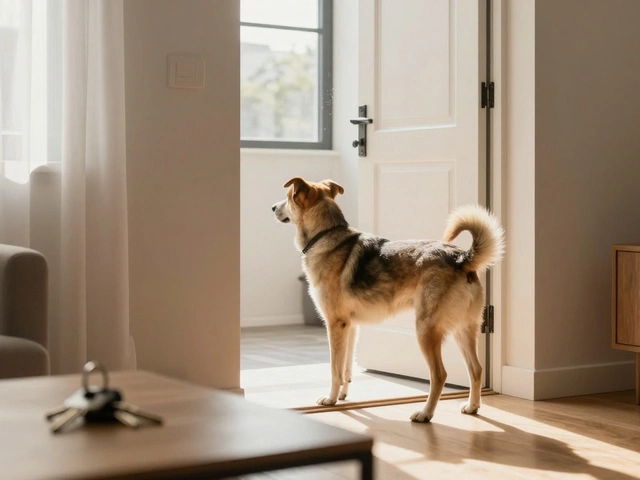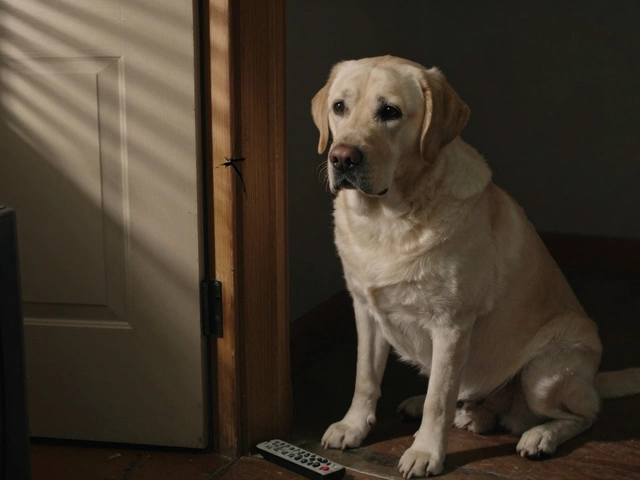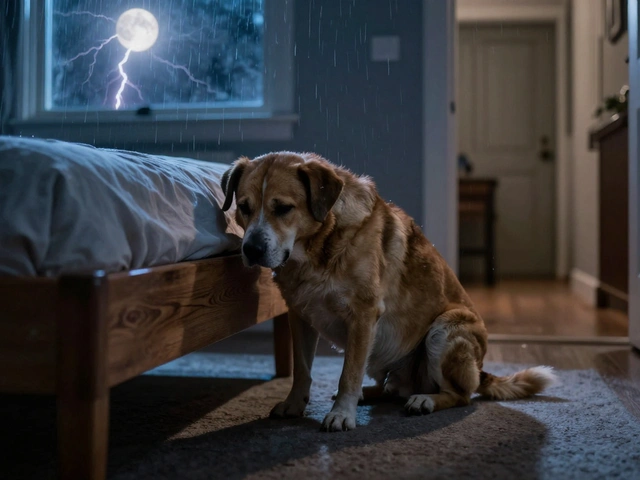
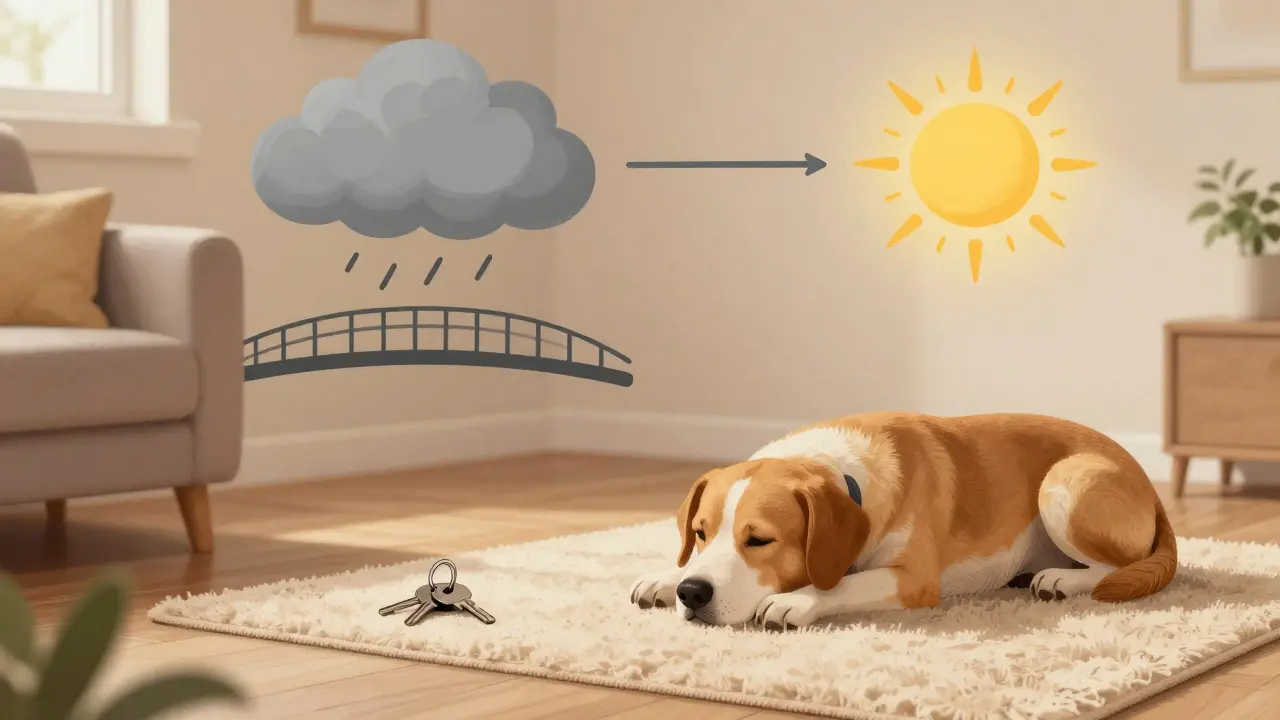
Watching your dog panic every time you reach for the keys is exhausting. It’s not just about barking; it’s the drooling, the destructive chewing, and the sheer distress that makes you feel guilty before you’ve even left the house. Many owners assume they have to choose between a pill or training, but the most effective approach often involves doing both at once. This combination creates a bridge where medication lowers the emotional temperature enough for behavior modification to actually work.
Why One Approach Often Fails Alone
Dog separation anxiety is a clinical condition characterized by extreme distress when a dog is left alone, distinct from normal boredom or under-stimulation. When a dog is in a state of high arousal, their brain enters a fight-or-flight mode. In this state, learning is nearly impossible. If you try to teach a terrified dog to sit calmly while you’re getting ready to leave, they likely won’t register the cue because their amygdala is hijacking the process.
Conversely, if you only use medication without changing the environment or routine, the dog remains dependent on the chemical effect. Once the drug wears off, the anxiety returns with full force. The goal of combining these methods is to reduce the intensity of the fear response so that the dog can learn new coping mechanisms. It’s like trying to explain math to someone who is screaming; you need to calm them down first before the lesson can sink in.
The Role of Medication in Calming the Nervous System
Medication isn’t a cure-all, but it is a powerful tool for managing symptoms. The most common class of drugs used for canine anxiety are selective serotonin reuptake inhibitors (SSRIs), such as fluoxetine (Prozac) or sertraline. These medications work by increasing the availability of serotonin in the brain, which helps regulate mood over time. They are not instant sedatives; it typically takes four to six weeks to see a full effect. During this waiting period, many vets will prescribe short-term anti-anxiety meds like trazodone or gabapentin to help manage acute stress during training sessions.
Benzodiazepines, like diazepam, are sometimes used for immediate relief, but they carry a risk of disinhibition, where the dog becomes less anxious but more likely to act out destructively. Therefore, the choice of medication depends heavily on the specific symptoms. A dog that paces and whines might respond differently to a drug than one that destroys doors. Your veterinarian will evaluate these behaviors to pick the right chemical support system.
Behavior Modification: Changing the Routine
While medication handles the chemistry, behavior modification handles the context. The core strategy here is systematic desensitization and counter-conditioning. You start by associating the triggers of departure (like picking up keys or putting on shoes) with good things, rather than bad outcomes. For example, if your dog hears the jingle of keys, you immediately toss a high-value treat into their food puzzle. Over time, the sound of keys predicts dinner, not abandonment.
Another critical component is gradual departures. Instead of leaving for eight hours, you start with seconds. You step out, wait five seconds, and come back. Then ten seconds. Then thirty. The key is to keep the duration below the threshold where panic sets in. If the dog starts pacing, you’ve gone too long. You go back to a shorter interval. This builds confidence incrementally. It’s tedious, but it rewires the dog’s expectation that being alone is safe and temporary.
| Approach | Time to Effect | Primary Mechanism | Risks/Side Effects |
|---|---|---|---|
| Medication Only | 4-6 weeks (SSRIs) | Neurochemical balance | Dependency, weight gain, lethargy |
| Behavior Mod Only | Months to Years | Learning and habituation | High failure rate if anxiety is severe |
| Combined Approach | 3-6 months | Chemical support + Learning | Requires strict adherence to both protocols |

Creating a Safe Environment at Home
Environment matters just as much as the dog’s internal state. A chaotic home amplifies anxiety. Create a safe haven for your dog when you’re away. This could be a crate, a separate room, or a specific corner with their bed and toys. The space should be boring but comforting. Remove access to trash cans, electrical cords, and other chewable hazards that they might destroy in a panic. Some dogs benefit from white noise machines or classical music, which can mask outside sounds that trigger alertness.
Don’t make a big deal out of arrivals and departures. High-energy greetings reinforce the idea that coming and going are major events. Keep exits quiet. Put your shoes on, walk to the door, pause, and then go back inside without saying goodbye. Do this repeatedly. Eventually, the act of leaving loses its power to trigger a stress response.
Monitoring Progress and Adjusting the Plan
Tracking progress is essential because anxiety is subjective. Use a simple log to record your dog’s behavior before, during, and after absences. Note signs like panting, lip licking, or trembling. If you’re using medication, watch for side effects like increased appetite or sleepiness. Work closely with your vet to adjust dosages if the initial prescription doesn’t seem to help after the first month.
It’s also crucial to avoid punishment. Scolding a dog for destroying a cushion teaches them nothing about why they destroyed it; it only adds fear to an already fearful situation. Punishment can worsen separation anxiety by making the owner’s return a negative event. Positive reinforcement is the only path forward. Celebrate calm moments, even small ones, like lying down quietly while you’re in another room.
Common Pitfalls to Avoid
- Inconsistent Routines: Dogs thrive on predictability. If you leave early on Monday but late on Tuesday, it confuses the dog’s sense of security. Stick to a consistent schedule as much as possible.
- Over-Rewarding Anxiety: If you rush to comfort your dog the moment they whine, you may inadvertently reward the whining. Wait for a moment of calm, even if it’s brief, before offering praise or treats.
- Ignoring Underlying Medical Issues: Pain or thyroid issues can mimic anxiety. Always rule out physical causes with a vet check-up before starting behavioral therapy.
- Quitting Too Soon: Behavior change takes time. Don’t expect results in two weeks. Commit to the plan for at least three months before evaluating success.
When to Seek Professional Help
If your dog’s anxiety is severe-leading to injury, significant property damage, or complete refusal to eat when alone-it’s time to bring in a professional. A certified behaviorist can create a customized plan based on your specific living situation. They can observe your dog in real-time, which provides insights that camera footage might miss. Combining professional guidance with veterinary medication offers the highest success rate for chronic cases. It’s an investment in your dog’s quality of life and your own peace of mind.
How long does it take for anxiety medication to work in dogs?
Most SSRIs like fluoxetine take four to six weeks to reach full effectiveness. Short-term medications like trazodone may provide relief within hours, but they are usually used as a bridge until the long-term medication kicks in.
Can I use natural supplements instead of prescription medication?
Supplements like L-theanine or CBD oil can help mild anxiety, but for severe separation anxiety, they are often insufficient on their own. They can be used alongside prescription medication for a holistic approach, but always consult your vet to ensure no interactions occur.
Is crate training helpful for separation anxiety?
Only if the dog already views the crate as a safe place. If the crate itself triggers panic, it can make anxiety worse. Introduce the crate gradually with positive associations before using it for confinement during absences.
What should I do if my dog still has accidents while on medication?
Accidents are a sign that the anxiety level is still too high for the current duration of absence. Reduce the time you leave the dog alone and go back to shorter intervals. Increase the dosage or switch medications only under veterinary supervision.
Does having a second dog help with separation anxiety?
Not necessarily. Sometimes a second dog provides company, but if both dogs are bonded to the owner, they may experience anxiety together. In some cases, the second dog can amplify the first dog's distress through mirroring behavior.