Most dog bites don't happen out of nowhere. They follow a predictable script that most owners miss because they're looking for the wrong cues. You're waiting for the growl or the snap, but by then, your dog has already moved past the first three stages of dog aggression is a behavioral response to perceived threat, fear, or pain, often signaled through specific physical changes before vocalization occurs. The real danger lies in the subtle shifts: the freeze, the hard stare, and the rigid tension. If you can read these signals, you can intervene with a simple "no" or a redirect, saving your dog from punishment and yourself from a trip to the vet.
This guide breaks down the exact visual cues that precede reactive behavior. We’ll look at why dogs freeze instead of running, how to distinguish a focused gaze from an aggressive stare, and what muscle tension actually looks like on different body types. By the end, you’ll have a mental checklist to scan your dog’s posture whenever they encounter a trigger, whether it’s another dog at the park or a stranger at your door.
The Freeze Response: Why Your Dog Stops Moving
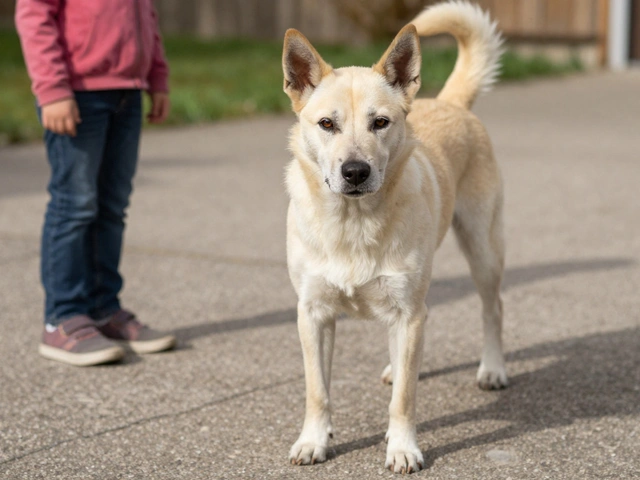
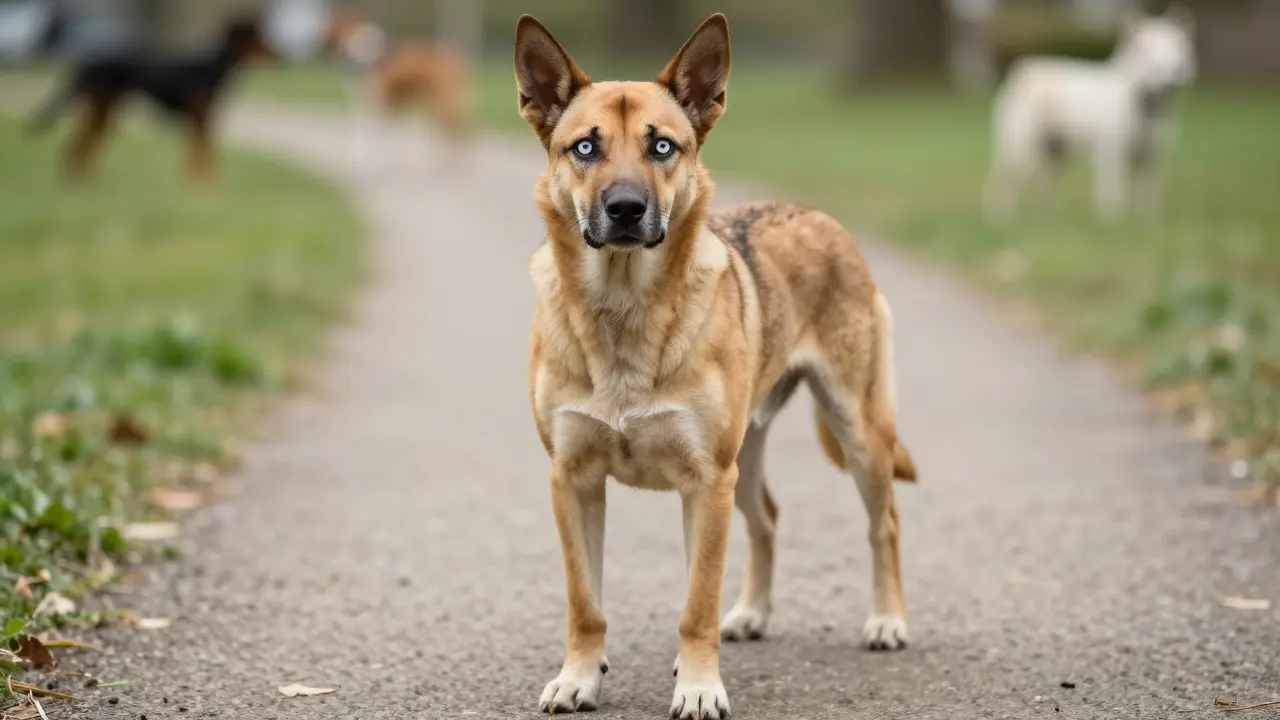
When a dog feels threatened, their instinct is usually fight or flight. But sometimes, neither option feels safe enough. This is where the freeze response kicks in. It’s not just standing still; it’s a physiological lock-up. Imagine a deer in headlights. The animal isn't relaxed; it’s hyper-aroused but unable to commit to an action. In dogs, this looks like a sudden cessation of movement. Their ears might prick forward, their eyes widen slightly, and their tail stops wagging entirely.
Many owners mistake this for calmness. If your dog was barking and suddenly goes silent, you might think, "Oh good, they’re settling down." In reality, they are processing high-stress data. The freeze is a critical window of opportunity. Because the dog hasn’t chosen fight yet, you can break their focus. A low, calm voice saying their name, or a gentle tug on the leash, can pull them out of this state before it escalates into a lunge. If you wait until they start moving again, you’ve likely missed the intervention point.
Decoding the Hard Stare: Focus vs. Threat
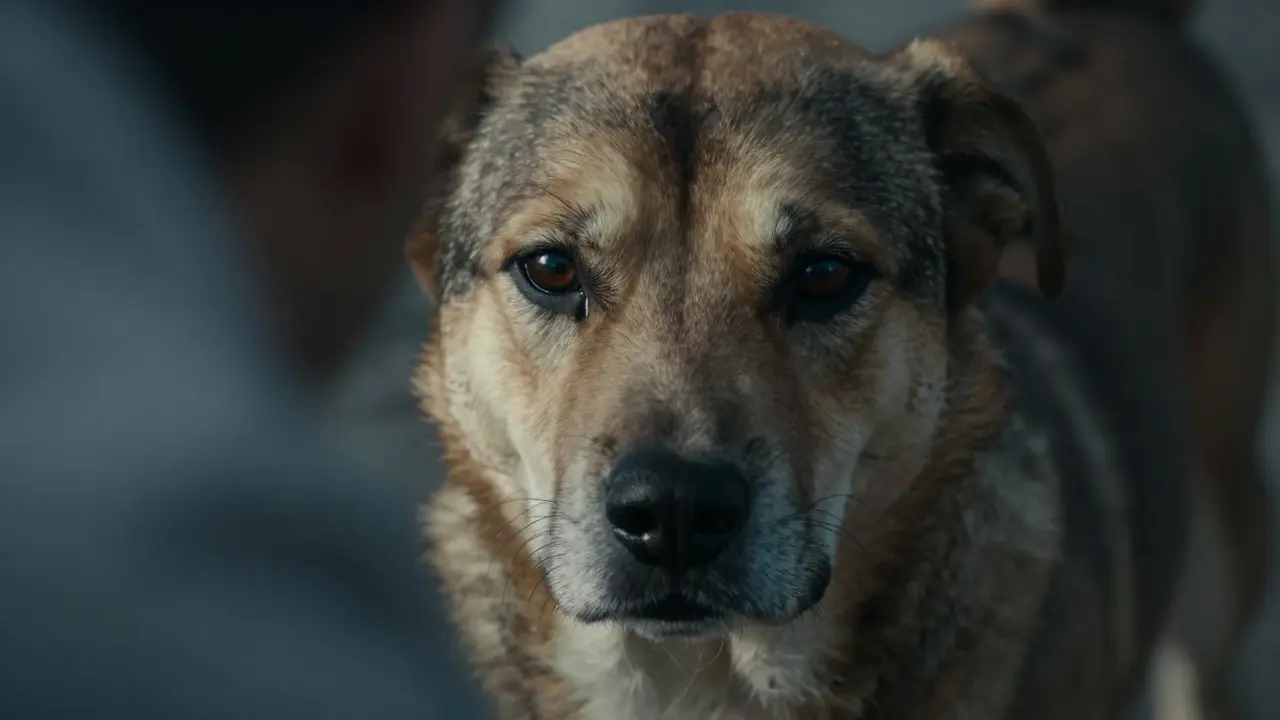
Eyes are the most honest part of a dog’s face, but they are also the easiest to misread. There is a significant difference between a curious glance and a Hard Stare is a fixed, unblinking gaze directed at a target, indicating high arousal and potential intent to act, distinct from casual observation.. A curious dog blinks frequently, their head tilts, and their eyes soften. A dog giving a hard stare locks onto a target. The pupils may dilate or constrict depending on light and adrenaline, but the key indicator is the lack of blinking. It’s intense, sustained eye contact.
You need to watch the whites of the eyes, too. If you see the limbal ring (the white part) around the top or sides of the iris, it’s a sign of stress. Combined with a hard stare, this is a major red flag. However, context matters. A dog staring at a ball they want to play with will hold a gaze, but their body will be loose and wiggly. A dog staring at a stranger who is walking toward them will have a rigid spine and a stiff tail. The combination of the facial expression and the body language tells the whole story.
Muscle Tension: The Silent Signal
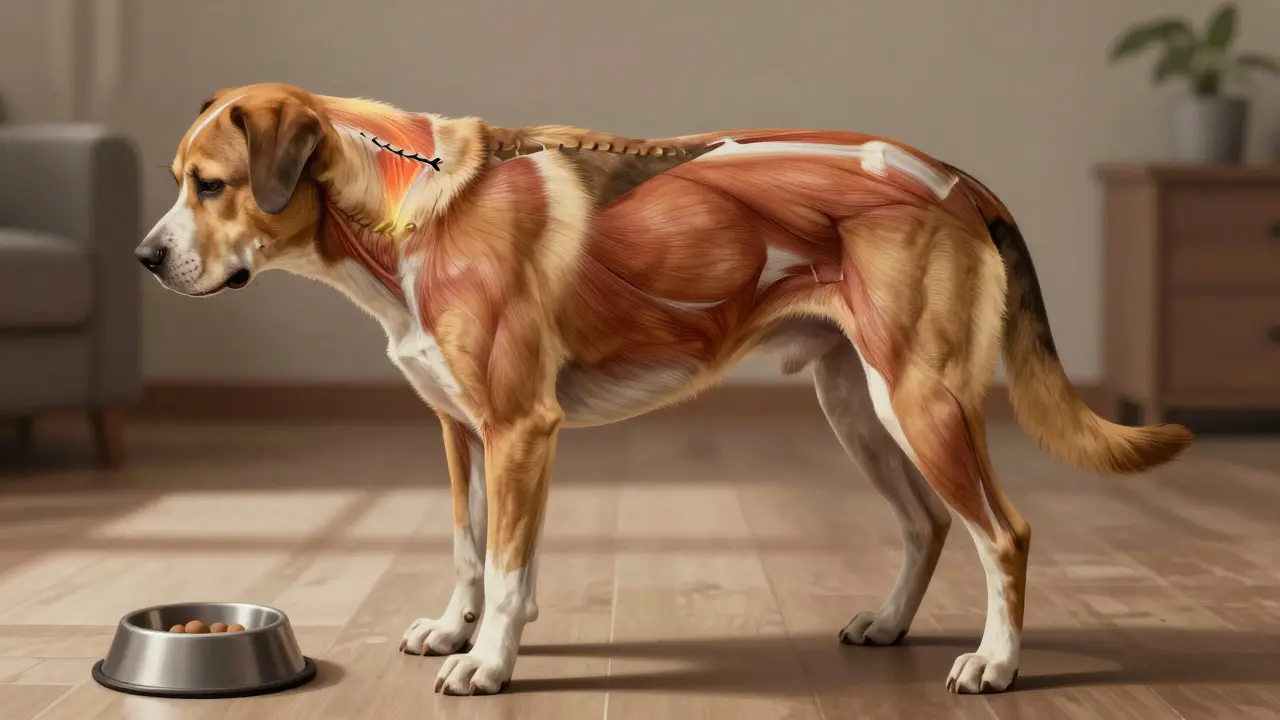
If the face tells you *what* the dog is feeling, the body tells you *how strong* that feeling is. Tension is the precursor to action. When a dog is relaxed, their muscles are soft. You can gently push on their side, and it yields. When they are tense, their body becomes a solid block. Look at the shoulders. Are they hunched up? Is the neck thickened as if the trapezius muscles are clenching? Check the tail. A neutral tail hangs loosely. A tense tail is held high and stiff, or tucked tightly against the belly, but either way, it lacks the fluid wag of a happy dog.
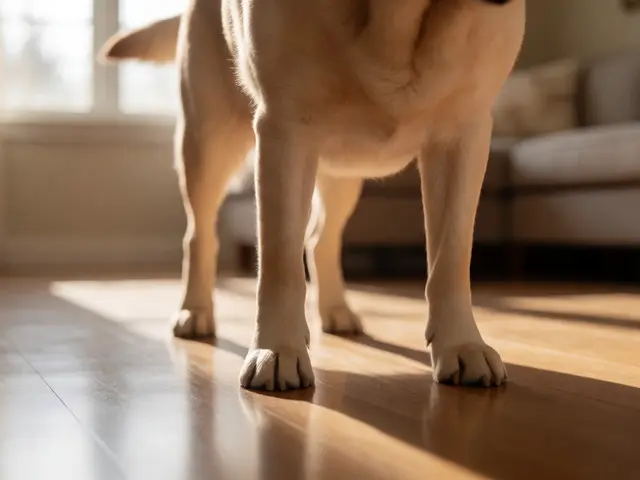
Paying attention to these physical changes helps you gauge the urgency of the situation. Mild tension means the dog is uncomfortable but manageable. Severe tension, where the entire body seems locked in place, means a reaction is imminent. This is especially important for breeds with thicker coats, where subtle muscle movements can be hidden. For those dogs, focus on the ear position and the weight distribution on their paws. If all four paws are planted firmly and not shifting, the dog is bracing for impact.
Common Triggers That Escalate Tension
Body language doesn’t exist in a vacuum. It reacts to stimuli. Understanding common triggers helps you predict when to watch for these signs more closely. Pain is the number one underreported cause of sudden aggression. A dog with arthritis might freeze and snarl when you try to pick them up, not because they hate you, but because the movement hurts. Similarly, resource guarding is a classic scenario. Watch the tension build when someone approaches the food bowl or the favorite toy. The dog might not growl immediately; they might just stop eating, lift their head, and give a hard stare.
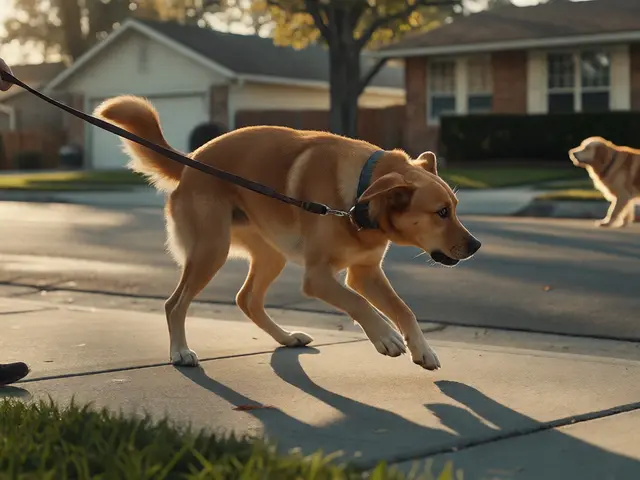
Social triggers are equally common. At dog parks, the chaos can overwhelm sensitive dogs. They freeze, overwhelmed by the sensory input. Then, a friendly dog approaches too fast, and the frozen dog snaps. It’s not malicious; it’s a defensive reflex. Knowing these contexts allows you to manage the environment. Keep leashes longer in crowded areas to allow escape routes, and avoid forcing interactions during high-tension moments.
How to Intervene Safely
Once you spot the freeze, the hard stare, or the tension, what do you do? Panic is your enemy. If you yank the leash sharply, you transfer your anxiety to the dog, increasing their arousal level. Instead, use a technique called "calm interruption." Turn your body away from the trigger. Don’t make eye contact with the other dog or person. Speak in a low, monotone voice. Say the dog’s name once. Wait for them to break the stare. As soon as they look at you, reward them with a treat or praise. This teaches them that breaking focus leads to good things, while maintaining the stare leads to nothing.
If the dog is off-leash and frozen, do not run toward them. Running can trigger prey drive or chase instinct. Walk slowly sideways, keeping your distance. Let them come to you. If they don’t move, stay put and remain boring. Most dogs will eventually relax once the perceived threat loses its intensity. The goal is to lower their heart rate, not to force compliance.
| Feature | Relaxed / Curious | Tense / Aggressive Precursor |
|---|---|---|
| Eyes | Soft, frequent blinking, relaxed lids | Fixed, unblinking, wide or narrowed, visible whites |
| Ears | Neutral or forward, flexible | Backed flat, pinned tight, or rigidly forward |
| Body Posture | Loose, weight shifting, playful bow | Rigid, weight forward, stiff spine, no movement |
| Tail | Wagging, loose, mid-position | Still, high and stiff, or tucked tight |
| Vocalization | Happy barks, whines | Silence, low growl, sharp bark |
Frequently Asked Questions
Is a freeze always a sign of aggression?
No. A freeze can indicate fear, confusion, or pain. However, in the context of a perceived threat, it is a precursor to either fleeing or fighting. The surrounding body language determines the outcome. If the dog’s body is coiled and tense, aggression is more likely. If the body is cowering and low, fear is the primary driver.
Should I punish my dog for a hard stare?
Generally, no. Punishing the signal suppresses the warning, making future bites more likely because the dog won’t warn you next time. Instead, reward the dog for breaking the stare and looking at you. This reinforces the desired behavior without adding negative energy to the situation.
How long does the freeze phase last?
It varies. It can last seconds or minutes. In high-stress situations, it tends to be shorter. If the dog remains frozen for a long time, they may be in a state of shock or extreme fear. Monitor their breathing; rapid panting indicates high arousal, meaning the window for safe intervention is closing.
Do small dogs show these signs differently?
Yes. Small dogs often skip the freeze and go straight to barking or snapping because they feel less secure in their size. Their tension is often shown through trembling rather than rigidity. Watch for stiff legs and a high-pitched, thin bark, which are equivalents of the larger dog’s growl and stiff posture.
Can I train my dog to ignore triggers?
Yes, through desensitization and counter-conditioning. Start at a distance where the dog notices the trigger but doesn’t react. Reward calm behavior. Gradually decrease the distance over weeks. Consistency is key. If you push too far too fast, you reset the progress and increase the likelihood of a freeze or snap.