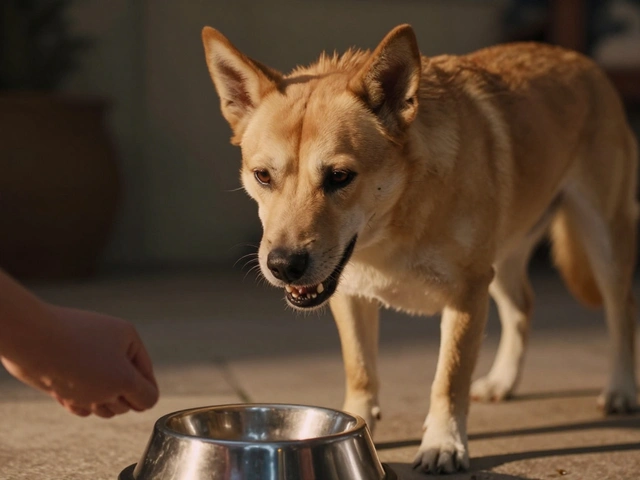
You walk into your living room and feel that tightness in the air. Your dog is growling at a guest, or maybe snapping at another pet over a toy. It’s stressful, right? But here’s the thing: aggression isn’t just about what’s happening in the dog’s head. A huge chunk of it comes from what’s happening around them. Most people think they need to fix the dog first-more training, more treats, maybe a trainer. But often, the quickest wins come from tweaking the space itself. You can lower the baseline stress levels just by changing how your home looks, sounds, and feels.
This isn’t about turning your house into a sterile clinic. It’s about removing triggers that push your dog over their threshold. If you live in a busy city like Portland, Oregon, where noise and foot traffic are constant, your dog might be dealing with sensory overload every single day. By adjusting your home environment, you’re not coddling them; you’re setting them up to succeed. Let’s look at exactly what changes make the biggest difference.
The Power of Visual Barriers
Dogs are visual animals. If they see something that scares or excites them too much, their brain goes into fight-or-flight mode before you can even say "leave it." This is especially true for barrier frustration-when a dog sees a trigger through a window or fence but can’t reach it. They bark, lunge, and get worked up, which reinforces the aggressive response.
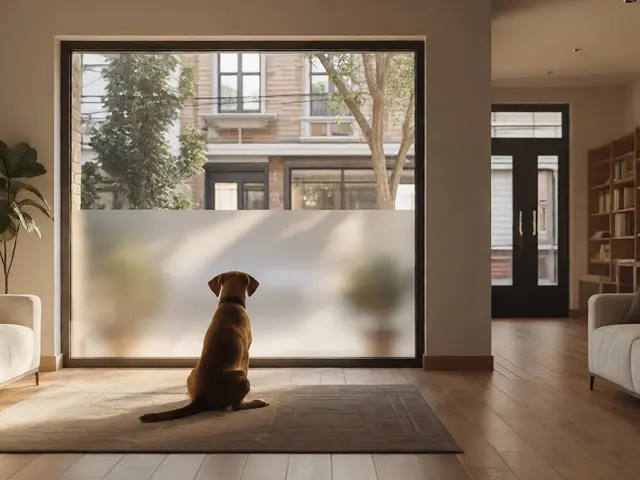
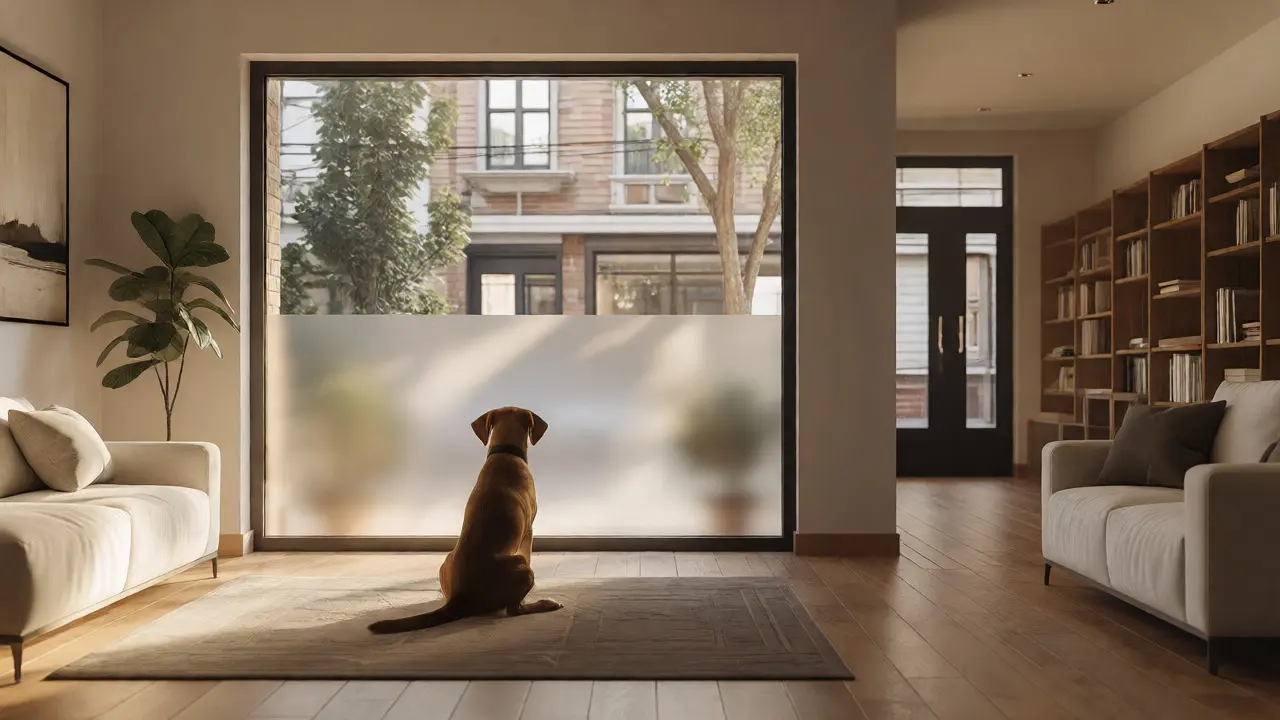
Visual barriers are physical objects that block your dog’s line of sight to these triggers. Think frosted window film, baby gates placed strategically, or even tall furniture rearranged to create blind spots. For example, if your dog barks at squirrels outside the front window, apply opaque film to the bottom half of the glass. They still get light, but they don’t see the squirrel darting by. This simple change stops the cycle of arousal before it starts.
- Frosted Glass Film: Cheap and effective for windows facing streets or yards.
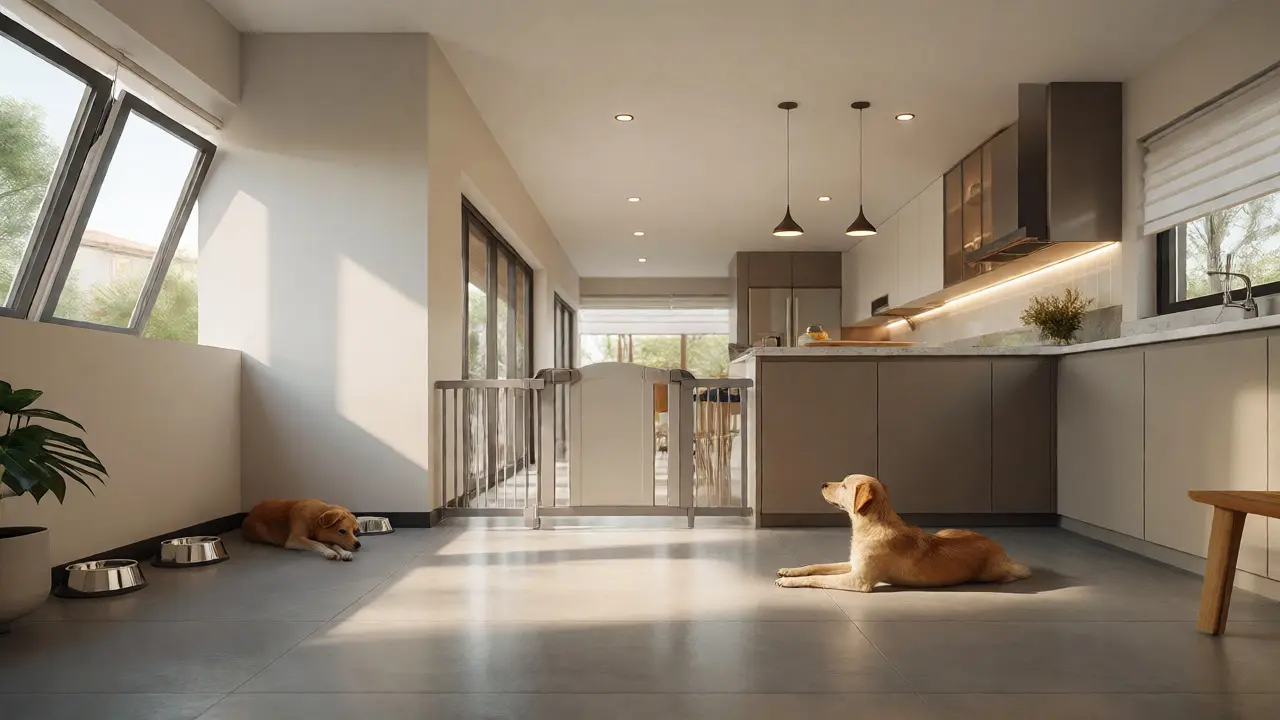
- Baby Gates: Use solid panels instead of wire ones so the dog can’t see through.
- Furniture Placement: Move sofas or bookshelves to block views of doorways or hallways.
Managing Noise Sensitivity
Humans tune out background noise pretty well. Dogs don’t. Their hearing is four times more sensitive than ours. The hum of a refrigerator, the buzz of a fluorescent light, or the distant rumble of traffic can all contribute to chronic stress. When a dog is already stressed by noise, they have less patience for other things. That’s why a dog who is usually chill might snap when someone touches them-they’re already at their limit because of the sound.
You don’t need to soundproof your entire house. Start by identifying the worst offenders. Is it the TV? The vacuum cleaner? The neighbor’s dog? Once you know, you can mitigate it. White noise machines are great for masking sudden sounds. Soft classical music or reggae has been shown to calm shelter dogs, and many owners find it works at home too. Just keep the volume low enough that it doesn’t become a new stressor.
| Noise Source | Why It Triggers Stress | Quick Fix |
|---|---|---|
| Doorbells/Knockers | Sudden, sharp, predicts visitors (potential threat) | Install a chime on an interior wall or use a camera doorbell with mute option |
| Vacuum Cleaners | Loud motor, high-pitched whine, unpredictable movement | Use robot vacuums while dog is crated or in another room |
| Appliance Hum | Constant low-frequency vibration causes fatigue | Maintain appliances or move dog’s bed away from kitchen/fridge |
Creating Safe Zones and Retreats
Every dog needs a place where they know they won’t be bothered. If your dog has nowhere to go when they’re overwhelmed, they feel trapped. And a trapped animal is a defensive animal. Aggression often spikes when a dog feels cornered-literally or figuratively. Creating a dedicated safe zone gives them agency. They can choose to leave a social situation and decompress without being followed.
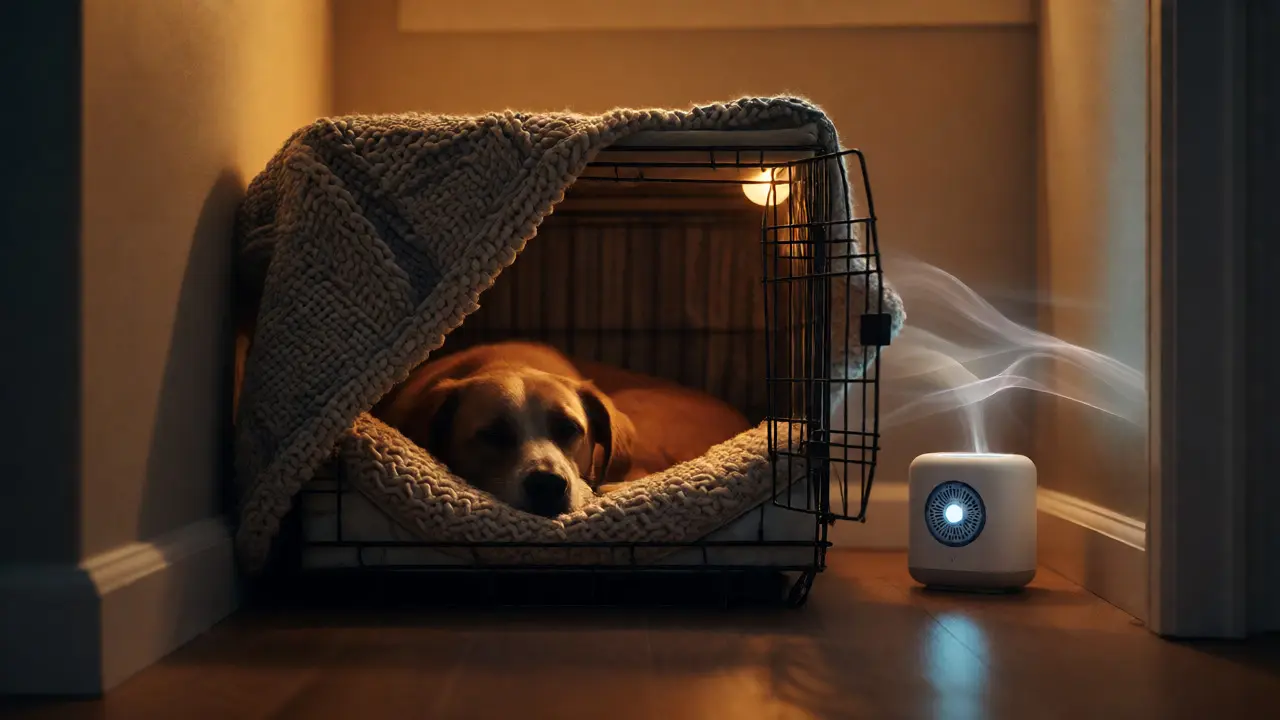
This zone should be quiet, comfortable, and off-limits to children and guests. It’s not a punishment spot; it’s a sanctuary. Make sure it’s accessible without having to cross paths with triggers. For instance, if your dog gets anxious around the cat, put their bed in a bedroom where the cat can’t enter. Use a crate if your dog likes it, or a cozy corner with a heavy blanket that dampens sound.
Here’s a rule of thumb: If you have to chase your dog to get them to their bed, it’s not a good location. The bed should be somewhere they naturally gravitate toward when tired or stressed.
Resource Management and Spatial Arrangement
Aggression often flares up over resources-food, toys, sleeping spots, or even human attention. This is called resource guarding. While training helps, managing the environment prevents the conflict from happening in the first place. If two dogs always fight over the same water bowl, buy two bowls and separate them. If your dog guards the couch, teach them that the floor cushion is their spot, or restrict couch access entirely during high-stress periods.
Think about the layout of your rooms. Narrow hallways are trouble zones. If a dog is walking down a hallway and turns a corner only to bump into another person or pet, that surprise can trigger a reactive snap. Widening pathways or creating alternative routes reduces these accidental collisions. In multi-dog households, avoid placing food bowls in dead-end corners where a dog could get blocked in.
Scent and Air Quality
We forget this one, but scent is primary for dogs. Strong cleaning products, air fresheners, or perfumes can be overwhelming. Some scents are calming, like lavender or chamomile, but others are irritating. Citrus, ammonia, and strong pine cleaners can raise anxiety levels in sensitive dogs.
Switch to unscented or pet-safe cleaning products. Avoid plug-in air fresheners near your dog’s resting areas. Instead, focus on ventilation. Fresh air helps reduce indoor pollutants that might irritate a dog’s respiratory system, making them feel physically uncomfortable and thus more irritable. If you use diffusers, stick to canine-specific blends that are formulated to lower heart rates, not just mask odors.
Lighting and Circadian Rhythms
Poor lighting can affect mood and sleep quality. Flickering lights, common in older LED bulbs or fluorescent fixtures, are visible to dogs even if we don’t notice them. This flicker can cause headaches or general unease. Switch to high-quality, non-flickering LEDs with a warm color temperature (around 2700K-3000K). Blue-enriched cool white lights can be stimulating, which is fine during the day but bad at night.
Ensure your dog has a dark, quiet place to sleep. Disrupted sleep leads to crankiness. If streetlights shine directly into their sleeping area, use blackout curtains. A well-rested dog has a higher threshold for tolerance. It’s hard to be polite when you haven’t slept well, right?
Practical Checklist for Immediate Changes
You don’t have to do everything at once. Pick one area and tackle it for a week. Observe if your dog’s reactivity decreases. Here’s a quick checklist to get you started:
- Block Views: Apply window film to any window facing a sidewalk or road.
- Add White Noise: Run a fan or white noise machine during peak activity hours.
- Create a Retreat: Set up a crate or bed in a low-traffic room with a gate.
- Separate Resources: Feed dogs in separate rooms or crates if they guard food.
- Check Lighting: Replace any flickering bulbs with warm-toned LEDs.
- Reduce Clutter: Clear narrow walkways to prevent accidental bumps.
Remember, environmental changes work best when paired with positive reinforcement training. You’re lowering the difficulty level so your dog can learn better. If you live in a smaller apartment, you might need to be more creative with vertical space-use shelves to block sightlines or create elevated resting spots that feel safer.
Can changing my home environment cure dog aggression completely?
Not necessarily cure it, but it significantly reduces the frequency and intensity of aggressive episodes. Aggression is multifactorial, involving genetics, history, health, and environment. Environmental management removes triggers, giving behavioral training a better chance of success. It’s a crucial part of the solution, not the whole solution.
What if I rent and can’t make permanent changes like installing gates?
Many changes are temporary or removable. Frosted window film is easy to peel off. Tension-mounted baby gates don’t require drilling. You can rearrange existing furniture to block sightlines. Portable white noise machines and unscented cleaning products are also renter-friendly options that don’t alter the property structure.
How long does it take to see results after changing the environment?
Some dogs show immediate improvement, especially if the trigger was visual (like blocking a window). Others may take weeks as their baseline stress levels decrease. Consistency is key. Keep the changes in place for at least two to four weeks to accurately assess their impact before adding new variables.
Is white noise safe for dogs?
Yes, generally speaking. Ensure the volume is moderate-not loud enough to startle them. Monitor your dog’s reaction initially. If they seem more agitated, try a different sound source like rain sounds or classical music. Never force a dog to stay in a noisy environment if they are clearly distressed.
Should I remove all toys to stop resource guarding?
No, removing all toys isn’t necessary. Instead, manage access. Rotate toys so there aren’t too many available at once, which reduces competition. If a specific toy causes fights, store it away temporarily. Focus on teaching trade behaviors rather than eliminating play opportunities entirely.