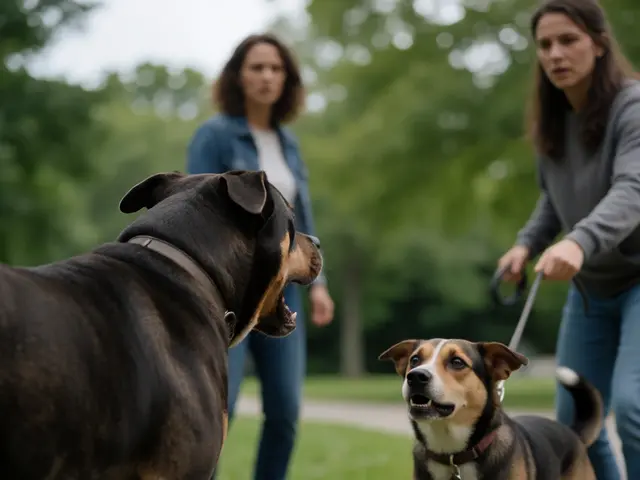
You come home from work, and your dog isn’t just happy; they are vibrating with energy. But wait-did you hear that scratching? Or maybe the neighbor texted you about a barking marathon while you were out for just two hours. It’s easy to assume your dog is just "excited" or "bored." But if the behavior feels disproportionate to the time away, you might be looking at separation anxiety, a condition where a dog experiences significant distress when left alone. It’s not just noise; it’s a genuine fear response that can damage your home and your dog’s mental health.
This guide gives you a practical checklist to spot the real signs. We’re moving past vague guesses and focusing on specific behaviors that distinguish normal excitement from pathological distress. Whether you’re working from home or leaving for a full day, these indicators will help you determine if your dog needs professional support or just a better routine.
Understanding the Core Distress Signals
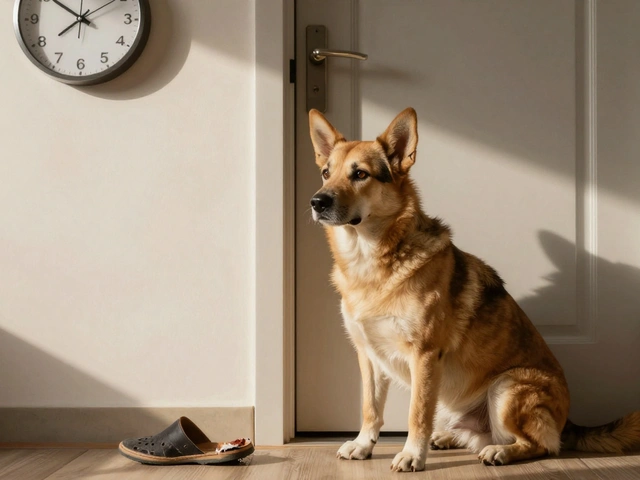
Separation anxiety in dogs manifests through a cluster of behaviors that happen specifically when the dog is left alone. The key here is context. If your dog chews shoes only when you leave, but plays gently with them when you’re home, that’s a red flag. Here are the primary signals to watch for:
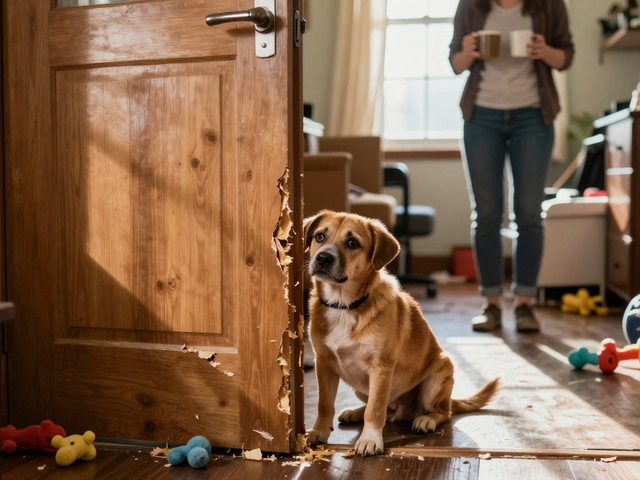
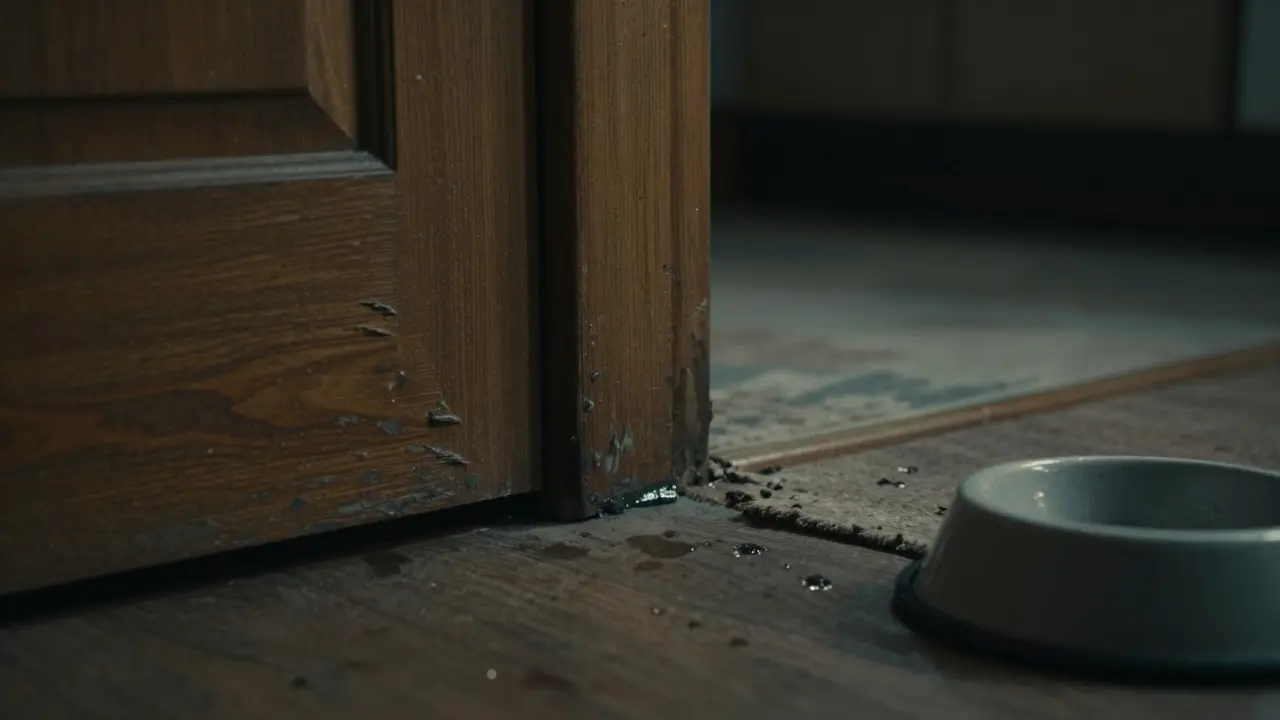
- Destructive Chewing: Unlike boredom chewing (which is random), anxiety-driven chewing is often focused. Dogs may chew doorframes, windows, or specific furniture near their sleeping area. This is an attempt to escape or reach you.
- Excessive Vocalization: Barking, whining, or howling that starts within minutes of you leaving. Note the timing. If it starts immediately, it’s likely anxiety. If it starts after an hour, it might be boredom.
- Elimination Issues: Accidents inside the house despite being fully house-trained. This happens because the stress overrides bladder control. You might find urine or feces near the door or in the dog’s bed.
- Pacing and Restlessness: Repetitive walking back and forth, circling, or inability to settle down. This is a physical manifestation of internal panic.
- Salivation and Drooling: Excessive drooling that wasn’t present before departure. Check your floor or rug for wet spots right after you get home.
It’s crucial to observe these behaviors via video. Many owners think their dog is fine because the dog greets them happily. But the greeting masks the distress. Set up a camera to capture what actually happens between the moment the door closes and the moment you unlock it.
The Pre-Departure Panic Phase
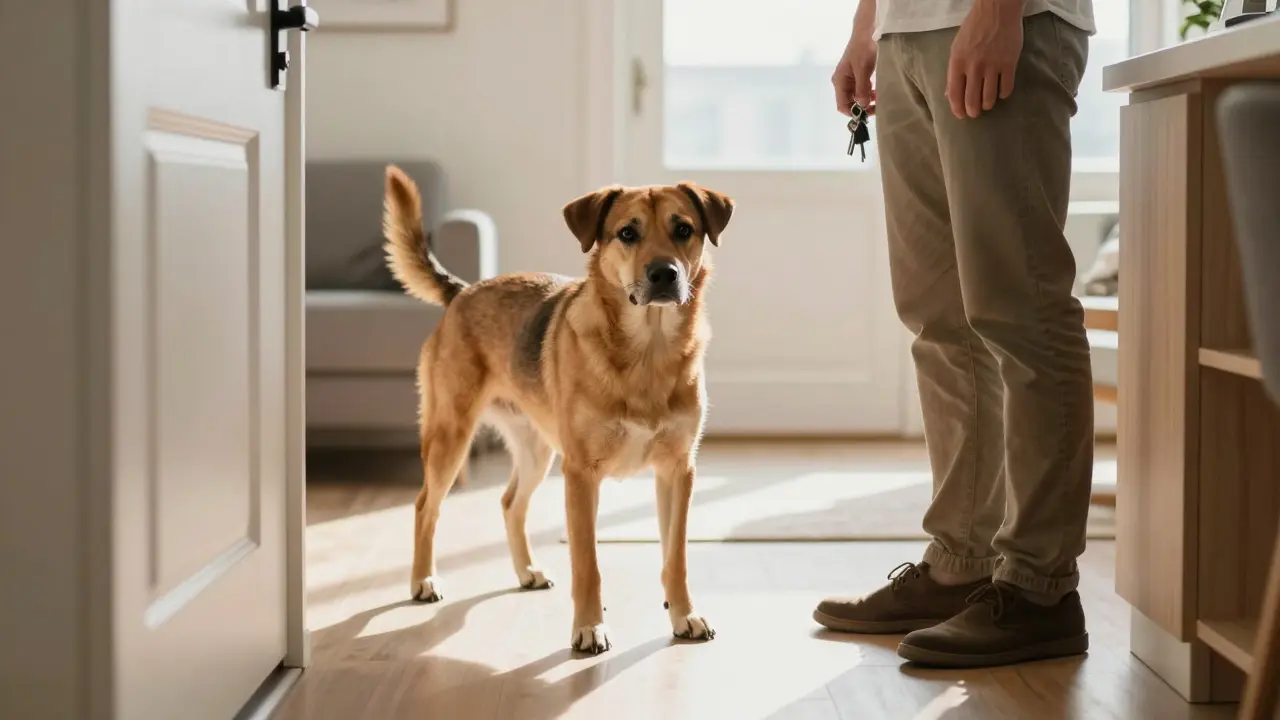
Often, the signs start before you even step outside. This phase is called pre-departure anxiety. Your dog may become hyper-alert as soon as they see you grab your keys or put on your shoes. They might follow you from room to room, refusing to lie down, or try to block your path to the door.
If your dog exhibits this "shadowing" behavior consistently, it indicates they associate your movements with abandonment. To test this, try putting on your shoes and then sitting back down on the couch. If the dog calms down within five minutes, the trigger was the action, not the absence. If they remain agitated until you actually leave, the anticipation itself is causing the stress.
Physical Symptoms of Canine Stress
Behavioral changes are loud, but physical symptoms are quieter yet equally telling. When a dog is in a state of high cortisol (stress hormone) production, their body reacts physically. Look for these subtle cues upon your return:
Notice the appetite difference. A dog with severe separation anxiety often refuses to eat when left alone. If you leave a bowl of food and it’s untouched when you return, that’s a strong indicator of high stress. Conversely, if they devour it, they were likely comfortable enough to relax.
Why Video Evidence Matters
Your perception of your dog’s happiness upon your return can be misleading. This is known as the "greeting bias." Dogs want to please their owners, so they perform happiness to regain access to you. To get an accurate diagnosis, you need objective data.
- Set up a camera with audio capability facing your dog’s main resting area.
- Leave for a short period (15-30 minutes) initially.
- Review the footage immediately. Do not guess; watch the first five minutes closely.
- Note the exact minute the first sign of distress appears (e.g., "started pacing at minute 2").
- Repeat this process three times to confirm consistency.
This data is invaluable if you consult a veterinary behaviorist. Instead of saying "my dog barks sometimes," you can say "my dog begins pacing at minute 3 and starts destroying the doorframe at minute 10." Specificity leads to faster, more effective treatment plans.
Common Misconceptions to Avoid
Not every destructive act is separation anxiety. Boredom, lack of exercise, and environmental factors can mimic anxiety symptoms. Here is how to tell the difference:
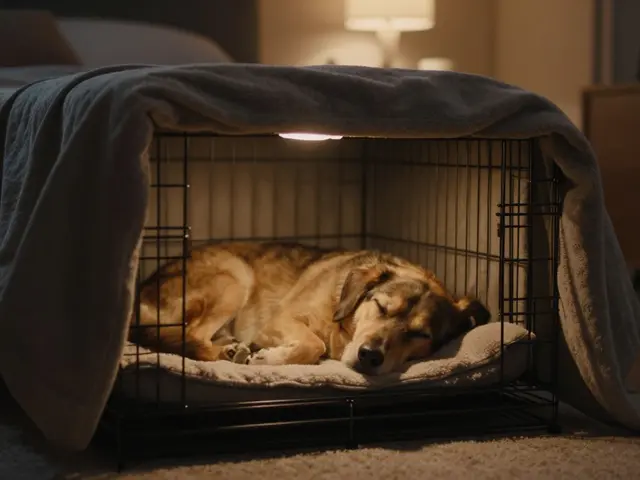
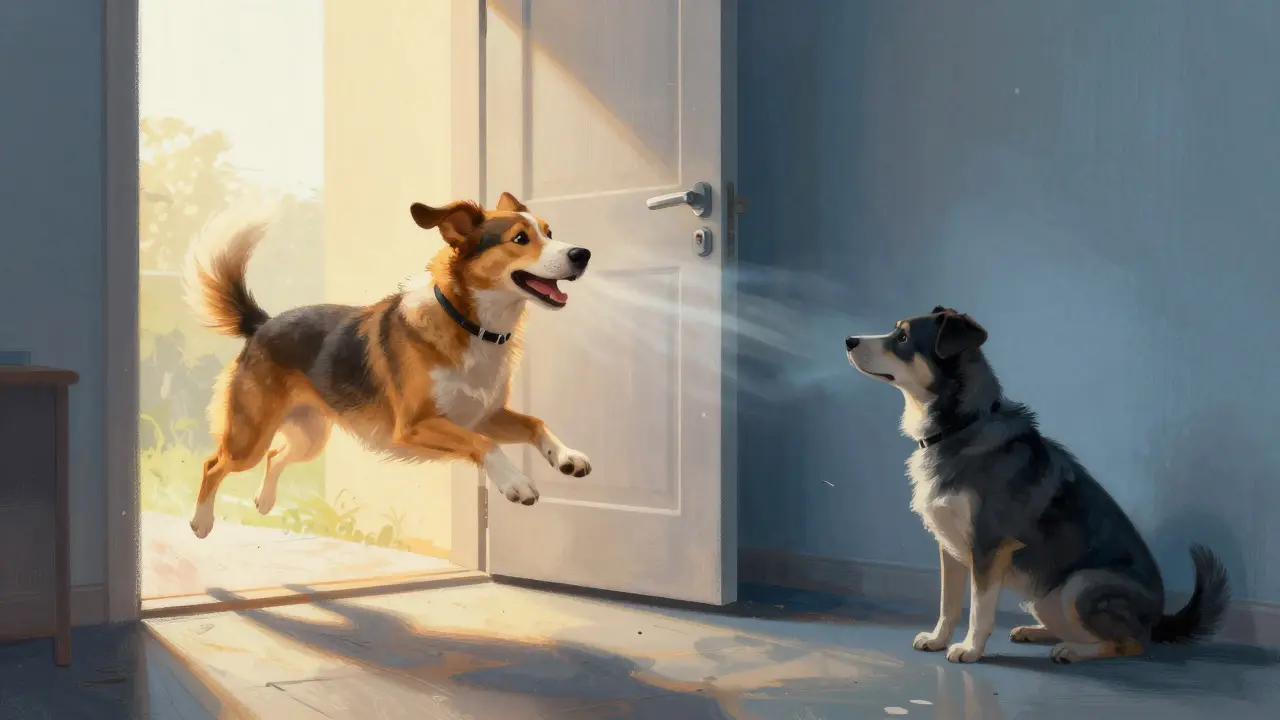
- Boredom vs. Anxiety: Bored dogs usually destroy things randomly. They might chew a toy one day and a shoe the next. Anxious dogs focus on exits (doors/windows) or their safe zone (bed/crate).
- Lack of Exercise: If your dog has had no walk or playtime, they may be restless due to pent-up energy. Try increasing physical activity before diagnosing anxiety.
- Medical Issues: Sudden onset of elimination problems or restlessness could indicate pain, urinary tract infection, or gastrointestinal issues. Always rule out medical causes with a vet visit first.
If you increase exercise and provide enrichment toys, but the destruction continues specifically when you leave, the likelihood of separation anxiety increases significantly.
Immediate Steps to Take
If your checklist confirms separation anxiety, don’t panic. It is treatable. Start with low-stress desensitization. Begin by leaving your dog alone for just 30 seconds. Return before they show any sign of stress. Gradually increase the time by 10-15 seconds each day. The goal is to teach your dog that your departure is temporary and not a threat.
Avoid dramatic goodbyes and hellos. Keep departures boring. Put on your shoes, open the door, and leave quietly. When you return, ignore your dog for the first two minutes. Wait until they are calm before greeting them. This breaks the cycle of frantic energy associated with separation.
For severe cases, consult a certified animal behaviorist or veterinarian. Medication combined with behavioral training can be highly effective for dogs with chronic, high-level anxiety. Early intervention prevents long-term behavioral hardening.