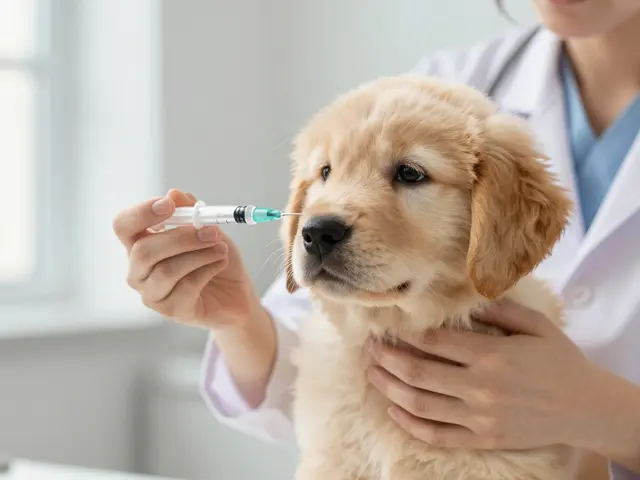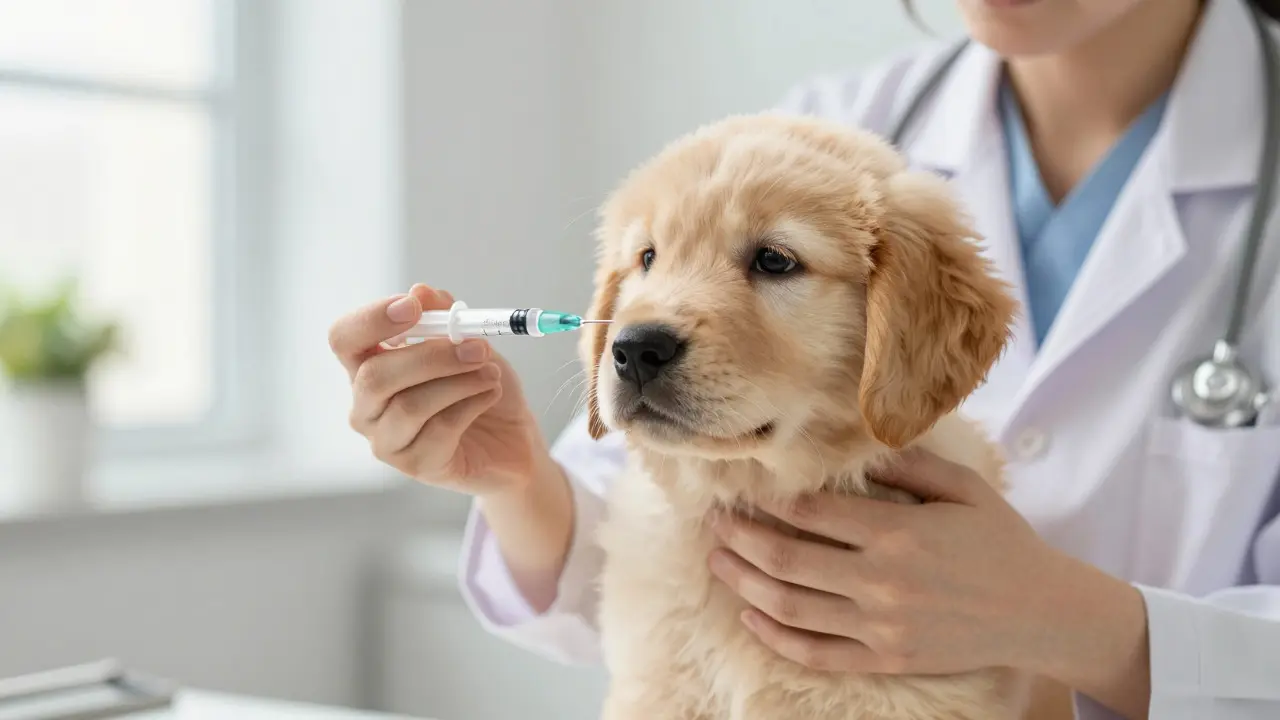
Bringing a new puppy home is exciting, but the first few months come with a strict timeline you can't miss. Miss a window, and your pup could be vulnerable to diseases that are often fatal in young dogs. The puppy vaccination schedule isn't just a suggestion; it's a biological necessity driven by how maternal antibodies fade and how vaccines work best.
You don't need to memorize a complex chart. You just need to understand the rhythm of the process. Most veterinarians follow a standard protocol established by the American Animal Hospital Association (AAHA) and the American Veterinary Medical Association (AVMA). This guide breaks down exactly when those shots happen, why they matter, and what to expect during those visits.
The Logic Behind the Timeline
Why do puppies get so many shots in such a short period? It comes down to passive immunity. When a mother dog nurses her pups, they receive antibodies through colostrum (the first milk). These antibodies protect the newborns for the first few weeks of life. However, as the puppy grows, these maternal antibodies start to break down. If you vaccinate too early, the maternal antibodies can neutralize the vaccine before it teaches the puppy's own immune system to fight the disease.
This creates a "window" where the puppy is protected by mom but not yet ready for its own immunity. As the maternal antibodies drop below a certain threshold, the puppy becomes susceptible. That's why we space out the shots. We're essentially playing a game of timing, ensuring at least one or two doses land after the maternal protection has faded enough to allow the puppy's body to respond properly.
Core vs. Non-Core Vaccines
Not all vaccines are created equal. Vets categorize them into "core" and "non-core." Core vaccines are recommended for every puppy, regardless of lifestyle or location, because the diseases they prevent are widespread and dangerous. Non-core vaccines depend on your specific risk factors-like whether you travel, live in a rural area, or socialize your dog in dog parks.
The core vaccines cover three main threats:
- DHPP (or DAPP): Protects against Distemper, Hepatitis (Adenovirus), Parainfluenza, and Parvovirus.
- Rabies: A legal requirement in most states and a fatal zoonotic disease.
- Bordetella: Often considered non-core, but frequently given to puppies who will be in boarding, daycare, or kennels due to the highly contagious nature of Kennel Cough.
For a standard house pet in an urban environment like Portland, Oregon, the DHPP and Rabies series are the absolute must-haves. Bordetella is strongly advised if your puppy will attend puppy classes or playgroups.
The Standard Puppy Vaccination Schedule
Here is the typical timeline you should expect from your veterinarian. While individual clinics may vary slightly, this aligns with current AAHA guidelines.
| Age | Vaccine | Purpose |
|---|---|---|
| 6-8 Weeks | DHPP #1, Bordetella #1 | Initial exposure to build baseline immunity |
| 10-12 Weeks | DHPP #2, Bordetella #2 | Reinforce immunity as maternal antibodies drop |
| 14-16 Weeks | DHPP #3, Rabies #1 | Final core booster; legal rabies requirement |
| 1 Year | DHPP Booster, Rabies Booster | Maintain adult-level immunity |
Note that the third DHPP shot is critical. Many owners think two shots are enough, but studies show that some puppies don't develop full immunity until the third dose. Skipping it leaves a gap in protection right when your puppy starts exploring the world more actively.

What to Expect During Vaccine Visits
Vaccine appointments aren't just about sticking a needle in the leg. They are comprehensive health checks. Your vet will weigh your puppy, check their heart and lungs, examine their eyes and ears, and assess their development. This is also the time to discuss spaying/neutering, microchipping, and parasite prevention.
Side effects are usually mild. You might notice your puppy is a bit sleepy, has a low-grade fever, or is sore at the injection site for 24 hours. This is normal. Serious reactions, like allergic responses, are rare but possible. Keep an eye on your pup for the next day. If you see hives, facial swelling, or difficulty breathing, contact your vet immediately.
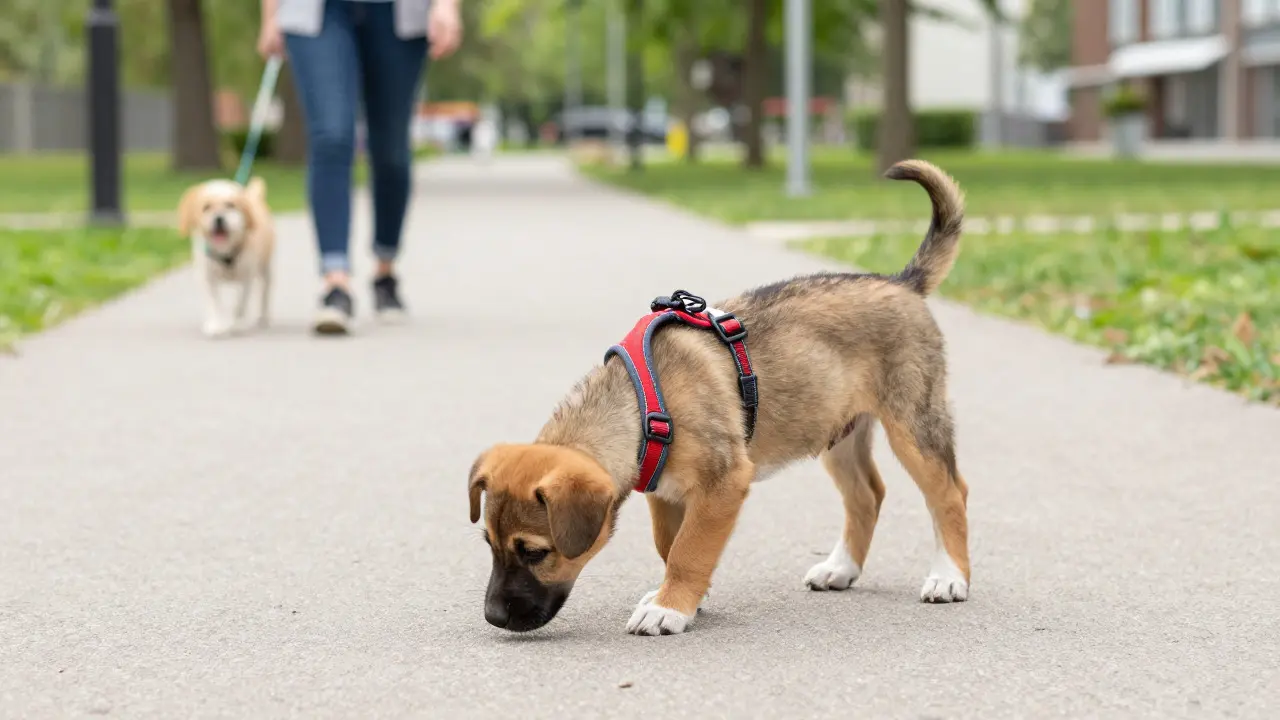
Socialization is another key component of these early weeks. Between 3 and 14 weeks, puppies are in a prime socialization window. Even while on the vaccination schedule, you can safely take your puppy to quiet, clean environments. Avoid high-risk areas like dog parks or underbrush where unvaccinated wildlife or stray dogs might roam, but gentle exposure to people, cars, and sounds is beneficial.
Common Myths and Pitfalls
One common misconception is that "natural immunity" from getting sick once is better than vaccination. In the case of Parvovirus, this is risky. Parvo is incredibly hardy; it survives in soil for months. Getting sick naturally carries a high mortality rate, especially in young dogs. Vaccination is far safer and more effective.
Another pitfall is waiting too long. Some owners delay the first shot until 9 or 10 weeks thinking it's "safer." While late vaccination is rarely harmful, it extends the period where the puppy is unprotected. Sticking to the 6-8 week start date ensures you hit the window when maternal antibodies are declining.
Finally, don't ignore the boosters. The 1-year booster is crucial. Without it, immunity can wane faster than expected. After the first year, your vet will likely recommend annual or triennial (every three years) boosters depending on the specific vaccine and your dog's lifestyle.
Managing Costs and Logistics
Vaccinations add up, but they are a small fraction of the cost of treating a serious illness. A full puppy series typically costs between $150 and $300, depending on your location and whether you opt for additional non-core vaccines. Pet insurance often covers preventive care if purchased within the first 30 days of ownership, so consider this early on.
To stay on track, set reminders in your phone for each appointment. Bring a list of questions to each visit. Ask about flea and tick prevention, deworming schedules, and diet recommendations. These topics are interconnected with overall health and immunity.
Frequently Asked Questions
Can I skip the third DHPP shot?
It is generally not recommended. While some puppies may have adequate immunity after two shots, the third dose ensures maximum protection for the majority of dogs. Since parvovirus and distemper are severe, the extra cost is worth the peace of mind.
Is the rabies vaccine mandatory?
Yes, in most U.S. states, including Oregon, rabies vaccination is required by law for dogs over a certain age (usually 3-6 months). Your local animal control agency enforces this, and you'll need proof of vaccination for licensing.
How soon after vaccination can my puppy go outside?
You can take your puppy outside immediately, but avoid high-risk areas like dog parks or wooded trails until the full series is complete (around 16 weeks). Clean, paved areas with controlled access to other vaccinated dogs are safe earlier.
Do mixed-breed puppies need different vaccines?
No. The core vaccination schedule applies to all dogs, regardless of breed. Mixed breeds follow the same timeline as purebreds. However, if your mix has traits associated with brachycephalic (flat-faced) breeds, your vet might monitor for respiratory issues during exams.
What if my puppy misses a scheduled appointment?
Don't panic. Call your vet to reschedule. The series doesn't necessarily restart unless there is a significant gap (more than 8 weeks between doses). Consistency matters, but minor delays are manageable.